Greensboro, GA · Greene County
Water Heater Burst Water Removal in Greensboro, GAHot Water Leak Drying Services & Burst Pipe Mold Prevention
Water Heater Burst Water Removal in Greensboro handles wet drywall removal after burst, water damaged floor removal, and emergency burst heater cleanup.
Answered 24/7
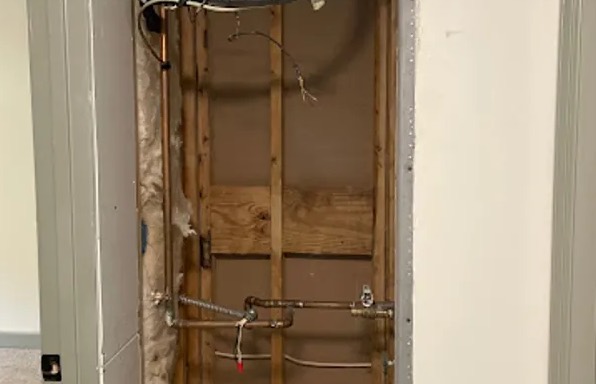
Emergency Water Removal After a Burst Heater in Greensboro
Properties in Greensboro, facing a water heater burst experience intense localized flooding, often in utility areas or adjacent rooms. This hot water leak can ruin drywall, insulation, and flooring, demanding professional water damage restoration.
In Greensboro and nearby Eatonton, local water damage pros extract water after a heater bursts, check for hidden moisture, remove wet drywall and dry the area for repairs.
Burst Water Heater Damage Services for Greensboro
Hot Water Leak Drying Services
In Greensboro, water removal pros set up controlled drying to pull moisture out of wood, concrete and insulation until readings are normal.
Burst Pipe Mold Prevention
Preventing mold is cheaper and safer than remediating it later. After water removal and drying, prevention strategies include controlling humidity and treating susceptible areas with EPA-registered solutions.
Water Heater Flood Water Removal
The sudden release from a failed heater requires removal. This prevents water from migrating under doors, protecting adjacent areas.
Emergency Burst Heater Cleanup
Emergency services prioritize action. The pros respond at any hour to extract water, assess hazards, and secure the area.
Wet Drywall Removal After Burst
If drywall is soaked with hot water, removal is frequently necessary. Precise cutting removes only damaged panels, preserving undamaged sections.
When to Call for Water Heater Burst Water Removal in Greensboro
Moisture on the Tank or Pipes
Moisture or dampness on the tank or its pipes often comes before a full burst.
Musty Odors From the Area
A musty smell near the water heater can indicate hidden moisture and early mold growth. Mold prevention after water leak services should be considered immediately.
The Heater Is Over 10 Years Old
Older water heaters are more likely to rupture, especially once the tank starts to rust.
Visible Corrosion on the Tank
Obvious rust or corrosion on the exterior of the tank weakens its structure. This is a major risk factor for a catastrophic water heater flood.
How Water Heater Burst Water Removal Works in Greensboro
Step 1: Water Heater Leak Containment
The first action is to contain the water spread. The experts use barriers and start water removal to limit damage to adjacent areas.
Step 2: Complete Water Extraction Process
Powerful extractors remove all standing and absorbed water before subfloors swell and drywall is ruined.
Step 3: Structural Drying and Monitoring
Drying equipment dries framing and subflooring, and pros check moisture levels daily until everything is dry.
Step 4: Damaged Material Removal and Prep
Drywall and insulation that cannot be saved are removed, which prepares the area for repairs.
Why Water Heaters Fail and Cause Floods in Greensboro
Manufacturing Defects or Flaws
Rare manufacturing flaws in the tank's steel or welds can hold for years, then fail without warning.
Frozen Water Heater Pipes
In cold climates, water inside inlet or outlet pipes can freeze and expand. This ice pressure can crack pipes or damage connections at the tank itself.
High Incoming Water Pressure
Excessively high municipal water pressure entering the home strains all plumbing. The water heater tank is particularly vulnerable to this constant, elevated pressure.
Sediment Buildup in the Tank
Minerals settling at the bottom of the tank create hot spots and pressure. This stress can cause the tank to overheat and eventually rupture, leading to a hot water leak.
Water Damage Restoration for All Properties in Greensboro
Residential Water Heater Burst Water Removal
Residential water heater floods often require careful handling of finished basements or adjacent rooms. The process involves water heater burst water extraction, sanitization, and targeted drying to restore normal living conditions safely.
Commercial Water Heater Burst Water Removal
A burst heater in a commercial setting risks slip hazards and code violations. The pros secure the area, extract standing water, and implement drying plans to support repairs and code compliance checks.
When to Handle Water Damage Yourself in Greensboro
To improve air circulation, you can set up fans to blow air across wet surfaces, but avoid using them if electrical outlets are wet. Do not use a standard household vacuum to remove water, as this is dangerous and ineffective. For thorough water removal and to prevent mold, it's time to call professionals who specialize in hot water leak drying services.
Factors Affecting Water Heater Burst Water Removal Cost in Greensboro
The cost of water heater burst water removal in Greensboro depends on the volume of hot water released and the number of rooms impacted by the initial flood.
Mold Prevention Measures
Applying antimicrobial treatments to prevent mold growth after a water heater leak adds a line item to the total restoration cost.
Duration of Leak
How long the hot water leaked before discovery affects how deeply moisture penetrates, increasing the complexity and cost of drying.
Required Equipment
The number of industrial-grade extractors, air movers, and dehumidifiers needed for thorough drying influences the equipment rental and operation costs.
Does Insurance Cover Water Heater Burst Water Removal?
For a burst water heater, insurance may cover the resulting water removal and drying if the cause is a covered peril. The pros meticulously record the scope of hot water leak damage for your adjuster's review.
The Value of Professional Water Removal in Greensboro
Comprehensive Damage Assessment
An initial inspection evaluates the full extent of the burst heater's impact, informing an effective water removal and drying plan.
Advanced Moisture Detection
Moisture meters and thermal cameras map hidden dampness behind walls and under floors so drying is complete.
Mold Prevention Focus
Addressing moisture promptly and applying EPA-registered antimicrobials helps prevent mold growth after a water leak, protecting indoor air quality.
Emergency Water Extraction in Greensboro, GA
A sudden hot water leak requires prompt action. To secure the pros for immediate water heater burst water extraction, make the emergency call to (478) 779-1453.
Call Now (478) 779-1453Water Heater Burst Water Removal Available Throughout Greensboro
Each place listed below has its own page with local details.
- Water Heater Burst Water Removal in Eatonton
- Water Heater Burst Water Removal in Milledgeville
- Water Heater Burst Water Removal in Monticello
- Water Heater Burst Water Removal in Haddock
- Water Heater Burst Water Removal in Hillsboro
- Water Heater Burst Water Removal in Gray
- Water Heater Burst Water Removal in Sandersville
- Water Heater Burst Water Removal in Gordon
- Emergency Damage Restoration in 30642
- Storm Damage Restoration in 30642
- Water Damage Restoration in 30642
- Water Extraction Service in 30642
- Water Leak Detection in 30642
- Water Removal Service in 30642
Water Heater Burst Water Removal FAQs
Does a burst pipe water removal process differ from a heater burst?
The core water extraction and drying principles are similar, but a heater burst involves hot water, which may require more aggressive drying and different material handling.
Can a burst water heater cause mold growth?
Yes. Warm water and moisture can lead to mold, so extraction and drying matter.
Why is water extraction service critical after a burst?
Quick removal limits the water's spread and penetration, reducing the extent of damage, the drying time required, and the overall cost of property water damage repair.
How does water damaged floor removal work after a leak?
Pros assess the flooring and subfloor. If materials are warped or saturated beyond salvage, they are carefully removed to allow the substructure to dry completely.
What is involved in water heater burst water removal?
Pros extract the standing water, dry the affected materials with industrial equipment, inspect for moisture and remove wet drywall when needed.