Greensboro, GA · Greene County
AC Unit Water Removal in Greensboro, GAAC Leak Mold Prevention & Air Conditioner Restoration Services
AC Unit Water Removal in Greensboro runs from emergency AC water removal and AC leak water cleanup to air conditioner restoration services.
Answered 24/7
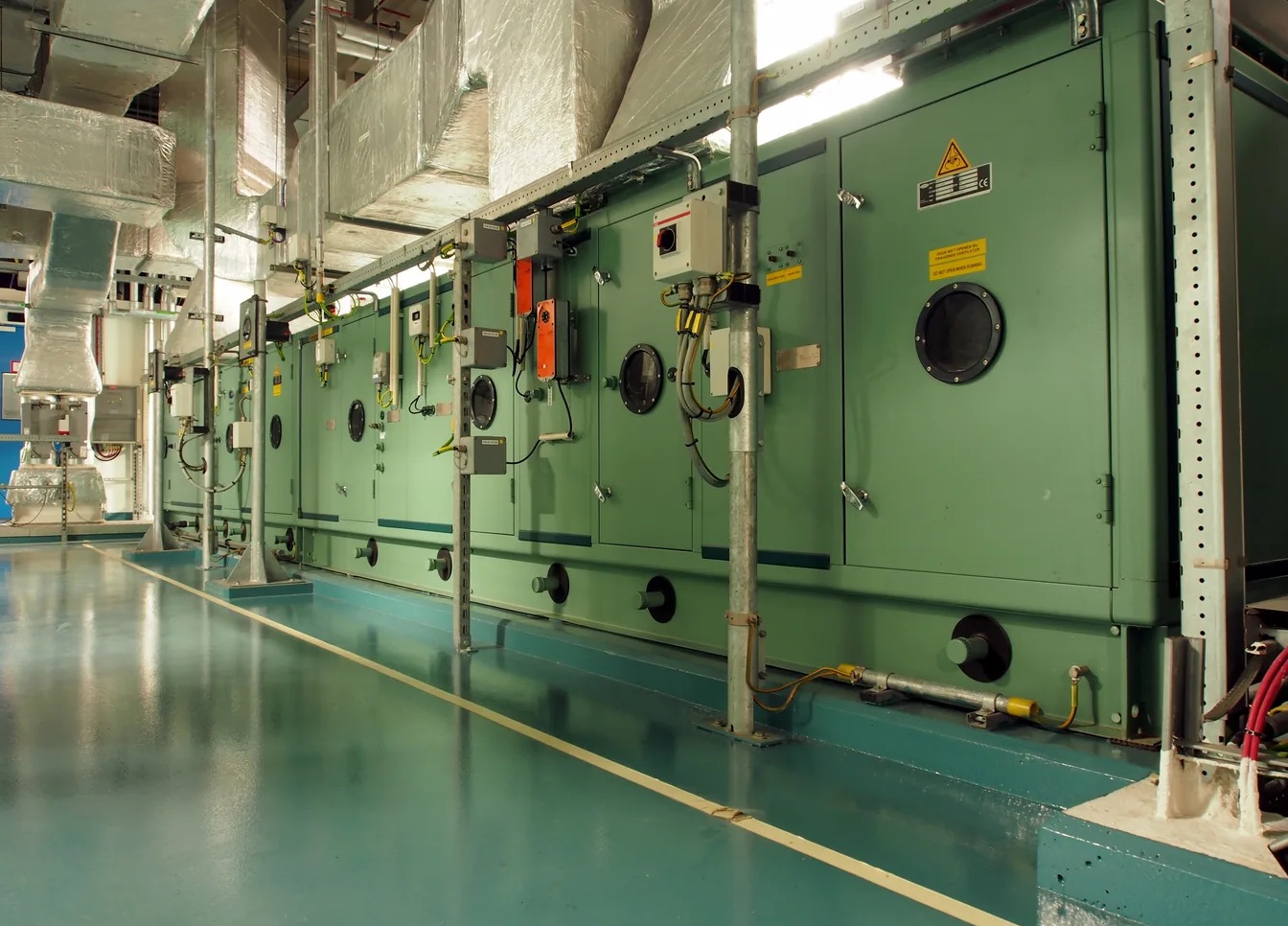
Local AC Unit Water Removal Services in Greensboro, Georgia
Most AC leaks start small: a drip in the furnace closet or a faint stain under an attic unit. In Greensboro, the drain pan can fill and overflow for days before anyone notices the damage.
A leaking AC in Greensboro rarely fixes itself, and the water keeps soaking the same drywall and subfloor until the drain is cleared. Local air conditioner restoration pros serve Greensboro and nearby Eatonton, with help available around the clock for leaks of any size.
Detailed AC Unit Water Removal Offerings for Greensboro
AC Leak Mold Prevention
Once materials are dry, an EPA-registered antimicrobial can be applied to wet wood and drywall near the unit to slow microbial growth.
Air Conditioner Restoration Services
Restoration covers the repairs left after a leak: cut-out drywall, stained ceilings, swollen baseboards and soaked insulation.
AC Leak Water Extraction
Water is removed from every wet surface the leak reached, including closets and rooms below an attic air handler.
Wet AC Unit Component Drying
Air movers and a dehumidifier are set around the unit, and moisture readings are taken until the metal and insulation test dry.
Emergency AC Water Removal
A sudden AC flood can soak a ceiling or floor in hours. Emergency removal gets the water out before it spreads into framing and insulation.
When to Call for AC Unit Water Removal in Greensboro
AC Drain Pan Overflow
Water at the rim of the drain pan, or in the secondary pan, means the condensate line is blocked.
Wet AC Unit Components
Damp coils, a wet blower compartment or moisture around wiring inside the cabinet mean water is collecting where it should not.
Visible Mold Near AC
Dark spots on drywall or framing near the unit mean the area has stayed wet for days.
Unusual AC System Noises
Gurgling or dripping sounds from the unit can mean water is backing up in the drain line.
How AC Unit Water Removal Works in Greensboro
Step 1: Emergency AC Water Removal
The unit is shut off and standing water is extracted from the drain pan, the floor and any carpet or pad it reached.
Step 2: AC Condensation Line Clearing
The drain line is flushed or vacuumed clear of algae and sludge, so condensate flows outside again.
Step 3: Wet AC Unit Component Drying
Air movers and a dehumidifier dry the cabinet interior and the walls, floor or ceiling around the unit.
Step 4: AC Leak Mold Prevention
Once readings show dry, wood and drywall that stayed wet can be treated with an antimicrobial.
Common Causes of AC Water Damage in Greensboro
Clogged AC Condensation Line
Algae and sludge build up in the drain line over a cooling season until water backs up into the pan.
Failed Condensate Pump
Units that pump condensate uphill depend on a small pump. When it fails, the reservoir overflows.
Dirty Air Filters
A clogged filter cuts airflow, which can freeze the coil and cause overflow when it melts.
Age and Component Wear
Older units have worn fittings, brittle seals and corroded pans that start leaking together.
AC Unit Water Removal Services for All Properties in Greensboro
Residential AC Unit Water Removal
Attic air handlers in houses leak into bedroom and hallway ceilings. The pan is emptied, the ceiling checked with a meter and wet drywall dried or cut out before it sags.
Commercial AC Unit Water Removal
Commercial systems have larger pans and longer drain runs. Clearing the line and drying ceiling tiles and carpet keeps the space open and safe for staff and customers.
The Risks of DIY AC Unit Water Removal in Greensboro
DIY works for a small puddle on tile that you catch right away and wipe dry. Wet carpet and pad, or drywall that feels soft, usually need professional extraction and drying equipment to dry fully.
Factors Influencing AC Unit Water Removal Cost in Greensboro
Pricing for AC unit water removal in Greensboro is set after an inspection. The pros measure the wet area, check for hidden moisture and explain each item before starting.
Documentation Needs
Detailed photos and moisture logs for an insurance claim add some time to the job.
Affected Component Count
The more of the system that got wet, such as the blower, panels and insulation, the more drying time is needed.
Leak Source and Severity
A slow drip near the closet costs less to fix than an attic overflow that soaked a ceiling and the room below.
Does Insurance Cover AC Unit Water Removal?
Take photos before cleanup starts and keep receipts for any emergency work, such as extraction done at night. Both help when you file a claim for AC water damage with your insurer.
The Value of Local Pros for AC Unit Water Removal in Greensboro
Air Conditioner Restoration Focus
Drywall, trim and ceiling repairs can be handled after drying, so one job covers the whole leak.
Leak Source Identification
The pros trace the leak to its source, whether that is a clog, a cracked pan or a failed pump.
Systematic Drain Line Clearing
The condensate line is cleared, not just the water mopped up, so the leak does not come right back.
24/7 AC Unit Water Removal for Emergencies in Greensboro
Water from an air handler spreads fast through drywall and carpet. Call (478) 779-1453 for emergency AC unit water removal in Greensboro at any time of the day or night.
Call Now (478) 779-1453AC Unit Water Removal Throughout Greensboro and Beyond
Other places served are listed below, each with its own page.
- AC Unit Water Removal in Eatonton
- AC Unit Water Removal in Milledgeville
- AC Unit Water Removal in Monticello
- AC Unit Water Removal in Haddock
- AC Unit Water Removal in Hillsboro
- AC Unit Water Removal in Gray
- AC Unit Water Removal in Sandersville
- AC Unit Water Removal in Gordon
- Emergency Damage Restoration in 30642
- Storm Damage Restoration in 30642
- Water Damage Restoration in 30642
- Water Extraction Service in 30642
- Water Leak Detection in 30642
- Water Removal Service in 30642
AC Unit Water Removal FAQ for Greensboro Homeowners
Why document AC water damage?
Photos and moisture readings show what got wet and how it was dried, which helps your insurance claim.
What does emergency AC water removal include?
Shutting off the unit, extracting standing water, clearing the drain and starting drying equipment, at any hour.
What equipment is used to dry AC leak damage?
Extractors, air movers, dehumidifiers and moisture meters, plus wet vacs or pumps for the drain line.
How does antimicrobial treatment help after an AC leak?
Once surfaces are dry, an antimicrobial can be applied to wood and drywall that stayed wet to slow microbial growth.
How long does drying take after an AC leak?
Often several days, depending on the materials and how long they were wet. Daily readings track progress.