Haddock, GA · Jones County
AC Unit Water Removal in Haddock, GAAC Leak Mold Prevention & AC Leak Water Extraction
AC Unit Water Removal in Haddock runs from emergency AC water removal and AC leak water cleanup to air conditioner restoration services.
Answered 24/7
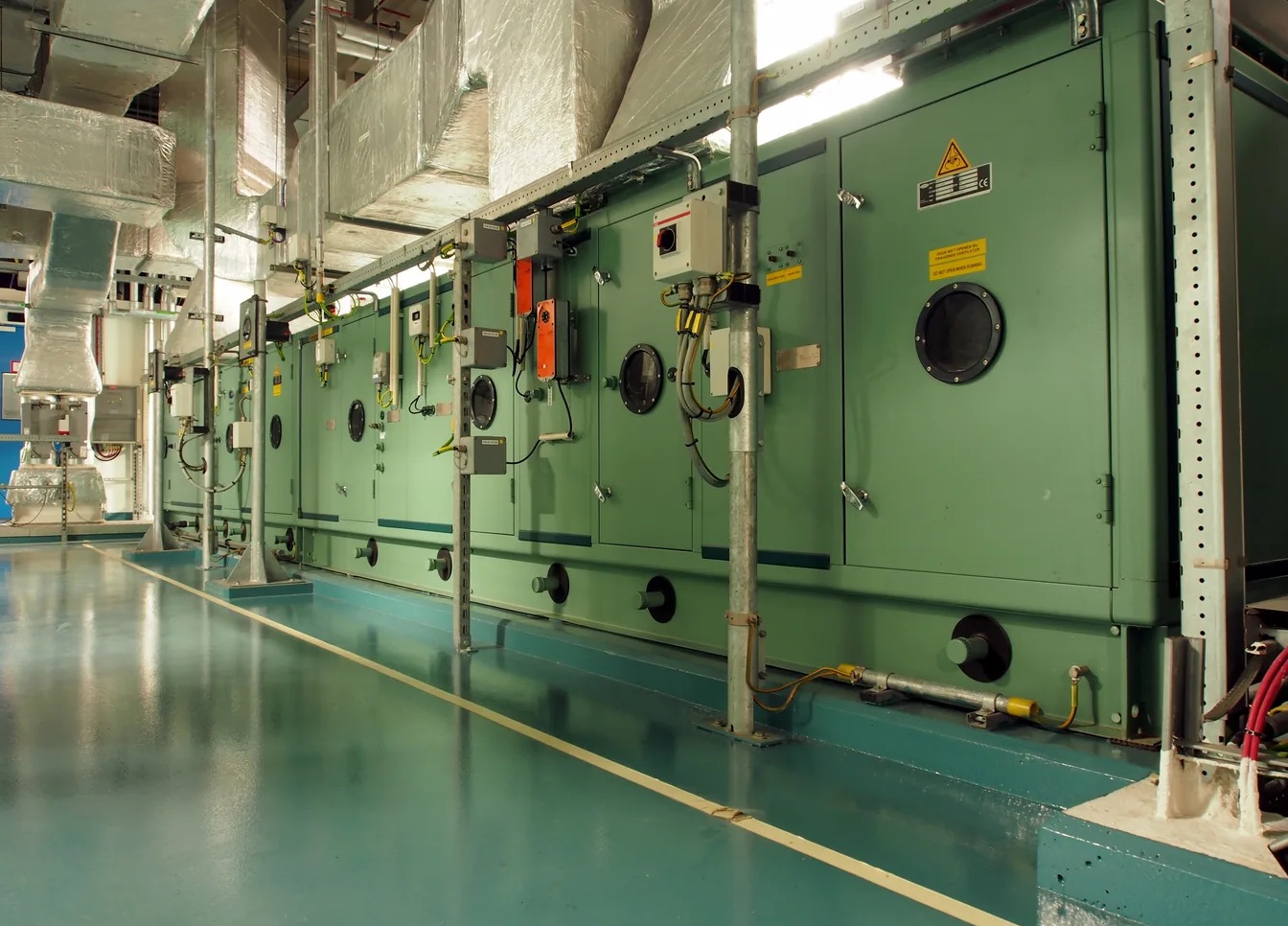
Professional AC Unit Water Removal in Haddock, GA
AC Unit Water Removal in Haddock covers the whole leak, from removing standing water to drying wet materials and repairing drywall or trim afterward. Each step depends on how far the water traveled and how long it sat.
A leaking AC in Haddock rarely fixes itself, and the water keeps soaking the same drywall and subfloor until the drain is cleared. Local water extraction experts serve Haddock and nearby Gray, Coopers and Griswoldville, with help available around the clock for leaks of any size.
Detailed AC Unit Water Removal Offerings for Haddock
AC Leak Mold Prevention
Antimicrobial treatment is an add-on step after drying, not a substitute for removing wet materials that cannot be saved.
AC Leak Water Extraction
Extraction is followed by drying with air movers and dehumidifiers, with daily readings to track progress.
Wet AC Unit Component Drying
Damp insulation inside the cabinet holds water for a long time. It is dried in place or replaced if it stays wet.
AC Drain Pan Water Extraction
Both the primary pan and the secondary safety pan are emptied, and the pan is inspected for rust holes or cracks.
AC Leak Water Cleanup
Standing water around the indoor unit is pumped and vacuumed up first, before it wicks into drywall, baseboards or the subfloor.
Signs of AC Water Damage Requiring Removal
Condensation Line Dripping
A condensate line that drips inside instead of outside has a crack, loose fitting or clog.
AC System Shuts Off
Many units have a float switch that shuts the system off when the pan fills. If the AC stops cooling, check the pan.
AC Drain Pan Overflow
Water at the rim of the drain pan, or in the secondary pan, means the condensate line is blocked.
Musty Odors From Vents
A musty smell when the AC starts often means standing water in the pan or wet insulation in the ducts.
How AC Unit Water Removal Works in Haddock
Step 1: Leak Assessment
The pros find the source of the leak, check how far the water spread and take moisture readings.
Step 2: Source Stop and Water Removal
The drain is cleared or the leaking part isolated, then standing water is extracted from every wet area.
Step 3: System Drying and Dehumidification
Drying equipment runs until walls, floors and insulation test dry, with readings taken at each visit.
Step 4: Verification and Restoration
Final readings confirm the materials are dry, then damaged drywall, trim or ceiling panels can be replaced.
Common Causes of AC Water Damage in Haddock
Improper AC Unit Installation
A unit that is not level, or a drain line without enough slope, lets water pool instead of draining.
Failed Condensate Pump
Units that pump condensate uphill depend on a small pump. When it fails, the reservoir overflows.
Disconnected Drain Line
A drain line knocked loose in the attic or closet empties condensate onto the ceiling or floor.
Damaged AC Drain Pan
Metal pans rust through and plastic pans crack with age, letting water drip straight through.
Expert AC Unit Water Removal for Any Property in Haddock
Residential AC Unit Water Removal
For homeowners, the main risk is water soaking into insulation and drywall where no one sees it. Moisture meters find that hidden water so it can be dried before it causes rot.
Commercial AC Unit Water Removal
For property managers, one leaking unit can affect several suites or the floor below. Each wet area is extracted, dried and documented for the owner and insurer.
Why DIY AC Water Removal Often Fails in Haddock
Box fans move air across a wet surface, but they often leave water trapped in wall cavities and under flooring. Professional drying uses moisture readings to confirm the hidden areas behind walls and under floors are dry too.
AC Unit Water Removal Cost in Haddock, GA
After-hours calls, the number of rooms affected, the drying time and any drywall or ceiling repairs all change the total for AC unit water removal in Haddock.
Required Drying Time
Dense materials and enclosed spaces take longer to dry, which means more equipment days.
Documentation Needs
Detailed photos and moisture logs for an insurance claim add some time to the job.
Preventative Treatment Scope
Antimicrobial treatment is an optional step, priced by the size of the area treated.
Does Insurance Cover AC Unit Water Removal?
Coverage for AC unit water removal varies from policy to policy. The pros document the damage and the drying, but your insurer decides what is covered and what is not, so ask early in the claim.
The Value of Local Pros for AC Unit Water Removal in Haddock
Drain Pan Extraction
Both the main pan and the safety pan are emptied and checked for damage.
Clear Process Communication
Each step is explained before work starts, so you know what is being removed and why.
Leak Source Identification
The pros trace the leak to its source, whether that is a clog, a cracked pan or a failed pump.
Round-the-Clock Emergency AC Unit Water Removal in Haddock
Water from an air handler spreads fast through drywall and carpet. Call (478) 779-1453 for emergency AC unit water removal in Haddock at any time of the day or night.
Call Now (478) 779-1453AC Unit Water Removal Service Area Including Haddock
Need AC unit water removal outside Haddock? Service also covers Gray, Coopers and Griswoldville, day or night, for any leaking AC unit.
- AC Unit Water Removal in Gray
- AC Unit Water Removal in Coopers
- AC Unit Water Removal in Griswoldville
- AC Unit Water Removal in Gordon
- AC Unit Water Removal in Milledgeville
- AC Unit Water Removal in Hillsboro
- AC Unit Water Removal in Franklinton
- AC Unit Water Removal in Eatonton
- Emergency Damage Restoration in 31033
- Storm Damage Restoration in 31033
- Water Damage Restoration in 31033
- Water Extraction Service in 31033
- Water Leak Detection in 31033
- Water Removal Service in 31033
AC Unit Water Removal FAQs
How long does drying take after an AC leak?
Often several days, depending on the materials and how long they were wet. Daily readings track progress.
Is air conditioner restoration separate from water removal?
Yes. Water removal and drying come first. Restoration covers repairs afterward, such as replacing drywall or ceiling panels.
What is involved in AC unit water removal?
Standing water is extracted, the condensate line is cleared, and wet materials are dried with air movers and dehumidifiers until moisture readings are normal.
What clogs an AC condensate line?
Algae, sludge, dust and debris build up inside the line, especially over long cooling seasons, until water backs up into the pan.
How does antimicrobial treatment help after an AC leak?
Once surfaces are dry, an antimicrobial can be applied to wood and drywall that stayed wet to slow microbial growth.