Hillsboro, GA · Jasper County
AC Unit Water Removal in Hillsboro, GAAC Leak Water Extraction & Wet AC Unit Component Drying
AC Unit Water Removal in Hillsboro runs from emergency AC water removal and AC leak water cleanup to air conditioner restoration services.
Answered 24/7
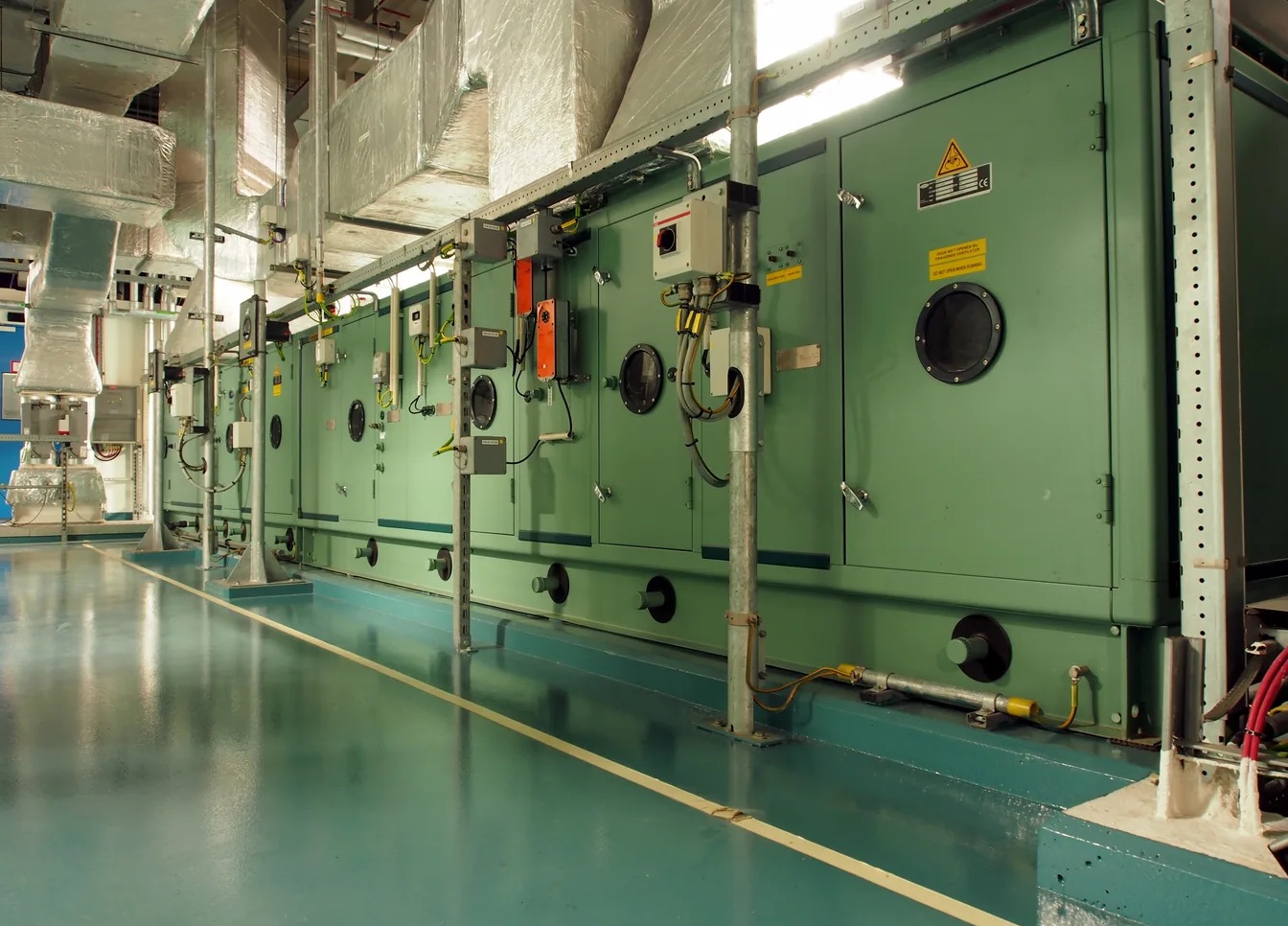
Professional AC Unit Water Removal in Hillsboro, GA
A leaking AC unit in Hillsboro can wet drywall, carpet and electrical parts within hours. Water that sits for more than a day or two also raises the risk of microbial growth on wood and paper-faced drywall.
A leaking AC in Hillsboro rarely fixes itself, and the water keeps soaking the same drywall and subfloor until the drain is cleared. Local water damage pros serve Hillsboro and nearby Monticello, Juliette and Gray, with help available around the clock for leaks of any size.
Detailed AC Unit Water Removal Offerings for Hillsboro
AC Leak Water Extraction
Extraction is followed by drying with air movers and dehumidifiers, with daily readings to track progress.
Wet AC Unit Component Drying
Wet blower motors, panels and wiring are dried with gentle airflow and dehumidifiers rather than direct heat, which lowers the risk of corrosion and shorts.
AC Leak Mold Prevention
Once materials are dry, an EPA-registered antimicrobial can be applied to wet wood and drywall near the unit to slow microbial growth.
AC Leak Water Cleanup
Water from an overflowing air handler is extracted from the floor, closet or mechanical room, then nearby walls are checked with a moisture meter.
AC Condensate Drain Clearing
The PVC drain line is cleared with suction or a flush, and the trap is checked so water stops backing up into the pan.
Indicators for Emergency AC Unit Water Removal
High Indoor Humidity Levels
Rooms that feel clammy while the AC runs may mean water is not draining and is evaporating back into the air.
Visible Mold Near AC
Dark spots on drywall or framing near the unit mean the area has stayed wet for days.
AC Unit Circuit Breaker Trips
Water reaching electrical parts can trip the breaker. Shut the unit off and call before resetting it again.
AC Drain Pan Overflow
Water at the rim of the drain pan, or in the secondary pan, means the condensate line is blocked.
How AC Unit Water Removal Works in Hillsboro
Step 1: AC Unit Flood Cleanup
Water is extracted to help limit further soaking of insulation, framing and the ceiling below.
Step 2: Drain Line Diagnosis and Clearing
The drain line is inspected for clogs, sags or loose fittings and cleared so water drains outside.
Step 3: Structural and Unit Drying
Air movers and dehumidifiers run around the unit, with daily moisture checks on walls and floors.
Step 4: System Check and Cleanup
The pan is cleaned, the drain is tested with water and the area is left dry.
What Leads to AC Unit Water Removal Needs in Hillsboro
Improper AC Unit Installation
A unit that is not level, or a drain line without enough slope, lets water pool instead of draining.
Frozen Evaporator Coils Thawing
A coil that freezes from low airflow sheds a large amount of water at once when it thaws.
Age and Component Wear
Older units have worn fittings, brittle seals and corroded pans that start leaking together.
Excess Outdoor Humidity
Very humid air makes the coil produce more water than a partly clogged drain can carry.
Both Residential & Commercial AC Unit Water Removal in Hillsboro
Residential AC Unit Water Removal
Attic air handlers in houses leak into bedroom and hallway ceilings. The pan is emptied, the ceiling checked with a meter and wet drywall dried or cut out before it sags.
Commercial AC Unit Water Removal
Commercial systems have larger pans and longer drain runs. Clearing the line and drying ceiling tiles and carpet keeps the space open and safe for staff and customers.
AC Unit Water Removal vs. DIY: When to Call the Pros
You can turn off the AC, empty the pan and towel up a puddle yourself. Moisture already inside drywall or subflooring is harder, because it takes meters to find and drying equipment to remove it.
Factors Influencing AC Unit Water Removal Cost in Hillsboro
In Hillsboro, most of the cost comes from extraction, equipment days and any drywall or insulation that has to be replaced. A walk-through sets the scope before work starts.
Emergency Service Timing
After-hours and holiday response can cost more than a scheduled weekday visit.
Required Drying Time
Dense materials and enclosed spaces take longer to dry, which means more equipment days.
System Restoration Complexity
Replacing drywall, insulation or trim after drying adds material and labor to the total.
Does Insurance Cover AC Unit Water Removal?
Insurers often ask whether the leak was sudden or ongoing. A record of when the water was found, what it reached and how it was dried helps answer that question.
Reasons to Select Local Pros in Hillsboro for AC Unit Water Removal
24/7 Emergency Response
Help is available any hour, which matters when an attic unit starts leaking into a ceiling at night.
Systematic Drain Line Clearing
The condensate line is cleared, not just the water mopped up, so the leak does not come right back.
Detailed Moisture Documentation
Photos and moisture readings are recorded at each visit to support your insurance claim.
Emergency AC Unit Water Removal Available 24/7 in Hillsboro
Every hour of standing water means more drying later and more materials to replace. Call (478) 779-1453 for AC unit water removal in Hillsboro as soon as you see the leak.
Call Now (478) 779-1453AC Unit Water Removal Available in Hillsboro and Surrounding Towns
Need AC unit water removal outside Hillsboro? Service also covers Monticello, Juliette and Gray, day or night, for any leaking AC unit.
- AC Unit Water Removal in Monticello
- AC Unit Water Removal in Juliette
- AC Unit Water Removal in Gray
- AC Unit Water Removal in Haddock
- AC Unit Water Removal in Eatonton
- AC Unit Water Removal in Bolingbroke
- AC Unit Water Removal in Smarr
- AC Unit Water Removal in Forsyth
- Emergency Damage Restoration in 31038
- Storm Damage Restoration in 31038
- Water Damage Restoration in 31038
- Water Extraction Service in 31038
- Water Leak Detection in 31038
- Water Removal Service in 31038
Frequently Asked Questions About AC Unit Water Removal in Hillsboro
Can an AC condensation leak damage the ceiling?
Yes. Attic units leak straight into the drywall below, causing stains, sagging and eventually collapse if left alone.
What does emergency AC water removal include?
Shutting off the unit, extracting standing water, clearing the drain and starting drying equipment, at any hour.
What is involved in AC unit water removal?
Standing water is extracted, the condensate line is cleared, and wet materials are dried with air movers and dehumidifiers until moisture readings are normal.
Why document AC water damage?
Photos and moisture readings show what got wet and how it was dried, which helps your insurance claim.
How does antimicrobial treatment help after an AC leak?
Once surfaces are dry, an antimicrobial can be applied to wood and drywall that stayed wet to slow microbial growth.