Greensboro, GA · Greene County
Tile Floor Water Damage Restoration in Greensboro, GATile Floor Water Damage Repair & Flooded Tile Floor Restoration
Tile Floor Water Damage Restoration in Greensboro starts with tile floor water extraction, wet tile floor cleanup, and tile floor water damage repair.
Answered 24/7
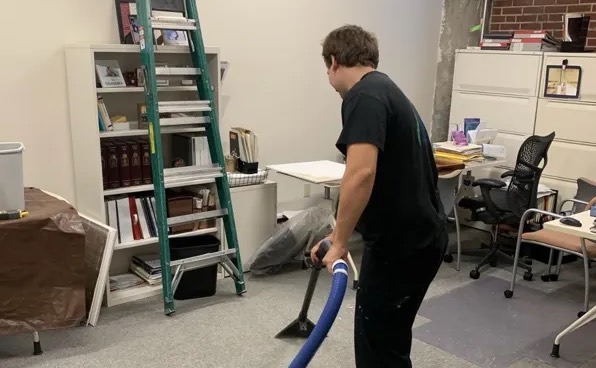
Tile Floor Water Damage Restoration Experts Serving Greensboro, Georgia
In Greensboro, water can seep under tile and damage the adhesive and subfloor, which can lead to loose tiles and mold if not dried.
Across Greensboro and nearby places like Eatonton, water damaged tile floors need expert care to restore their appearance and function. The tile floor water damage cost can escalate if moisture isn't fully removed.
Key Tile Floor Water Damage Restoration Services Offered in Greensboro
Tile Floor Water Damage Repair
Tile repair involves matching materials to achieve a consistent appearance. Sourcing compatible tiles and grout color is part of this process.
Flooded Tile Floor Restoration
From the initial emergency call to the final walkthrough, flooded tile floor restoration is a complete solution.
Tile Floor Moisture Inspection
Inspection confirms when drying is complete and no hidden risks remain. Restoration professionals take precise moisture readings across the affected area to establish a baseline.
Tile Floor Drying Services
Moisture meters track the drying progress beneath the tile surface. Monitoring continues until the floor assembly reaches appropriate dryness levels.
Tile Floor Mold Prevention
Preventing mold growth is a critical outcome of proper water damage restoration. After drying tile floors, pros in Greensboro apply EPA-registered antimicrobial agents to treated areas.
Signs of Water Damage Needing Tile Floor Water Damage Restoration
Grout Crumbling Away
Grout that cracks, crumbles or falls out between tiles often means water is getting underneath.
Increased Humidity in the Room
A noticeable spike in room humidity, often near a tiled area, suggests evaporating moisture from a hidden leak. This warrants a professional tile floor water damage inspection.
Efflorescence on Tile Surface
A white, powdery residue on tiles is efflorescence, a mineral deposit left by evaporating water. It signals previous moisture issues that need addressing.
Warping or Buckling Sections
Tiles that lift, warp or buckle usually sit on a soaked subfloor.
How Tile Floor Water Damage Restoration Works in Greensboro
Step 1: Initial Damage Assessment
The Tile Floor Water Damage Restoration process starts with a detailed assessment to determine the source, extent, and category of water affecting the tile floor and subfloor.
Step 2: Water Removal and Cleanup
All standing water is extracted, followed by wet tile floor cleanup of debris and contaminants.
Step 3: Structural Drying Phase
Specialized drying equipment creates airflow and controls humidity to methodically remove moisture from the tile installation system and prevent warping.
Step 4: Verification and Final Repair
Final moisture readings verify dryness. Any compromised tiles are then addressed with matching replacements, completing the flooded tile floor restoration.
Sources of Water Damage for Tile Floor Water Damage Restoration
HVAC Condensation Issues
A malfunctioning air conditioner or uninsulated condensation drain line can drip constant moisture onto a tile floor, creating a hidden, chronic dampness issue.
Appliance Leaks and Malfunctions
Dishwashers, washing machines, water heaters, and refrigerators with ice makers can leak slowly, saturating the subfloor beneath adjacent tile flooring over time.
Natural Flooding Events
Heavy rain or flash floods can push water into a home and across tiled floors.
Toilet Overflows and Seal Failures
A clogged toilet or a failed wax ring seal lets water spill onto the bathroom floor and seep under the tile.
Both Residential & Commercial Tile Floor Water Damage Restoration in Greensboro
Residential Tile Floor Water Damage Restoration
At home, pros decide whether tiles can be saved or must be replaced, and blend new tile and grout with the old.
Commercial Tile Floor Water Damage Restoration
In commercial settings, tile floor mold prevention is critical after a water event to protect employee and customer health. The experts follow industry-standard methods for antimicrobial treatment and ensure the subsurface is fully dry to prevent future mold in the business property.
Tile Floor Water Damage Restoration vs. DIY: When to Call Local Experts
After a minor spill, open windows and run fans to dry the tile surface. Moisture in the grout and subfloor needs the experts with industrial dehumidifiers.
What Influences Tile Floor Water Damage Restoration Pricing in Greensboro
Price depends on the drying time, how hard the water is to extract and the size of the affected area.
Subfloor Condition
Removing water under tile flooring and assessing the subfloor for damage can add steps to the repair process.
Water Source Category
Clean water from a supply line is simpler to address than contaminated flood water, affecting the tile floor cleanup process.
Mold Prevention Needs
If tile floor moisture issues present a mold risk, additional antimicrobial treatments may be part of the restoration cost.
Does Insurance Cover Tile Floor Water Damage Restoration?
Whether insurance covers tile floor water damage repair is a matter for your adjuster. The pros in Greensboro provide thorough documentation of the tile floor water extraction and drying process to support your claim.
Why Choose Local Experts for Tile Floor Water Damage Restoration in Greensboro
Clear Process Communication
You receive straightforward explanations of each step, from initial assessment through the final moisture verification.
IICRC-Standard Methods
The experts use industry-standard procedures for tile floor water extraction and drying to promote effective damage control.
Detailed Damage Documentation
Pros document the tile floor water damage inspection with readings and photos for your personal records.
Emergency Tile Floor Water Damage Restoration Response for Greensboro
Wet tile floor emergency? Call local pros at (478) 779-1453 day or night. Starting drying quickly limits repairs to the subfloor.
Call Now (478) 779-1453Tile Floor Water Damage Restoration Service Area Including Greensboro
Other places served are listed below, each with its own page.
- Tile Floor Water Damage Restoration in Eatonton
- Tile Floor Water Damage Restoration in Milledgeville
- Tile Floor Water Damage Restoration in Monticello
- Tile Floor Water Damage Restoration in Haddock
- Tile Floor Water Damage Restoration in Hillsboro
- Tile Floor Water Damage Restoration in Gray
- Tile Floor Water Damage Restoration in Sandersville
- Tile Floor Water Damage Restoration in Gordon
- Emergency Damage Restoration in 30642
- Storm Damage Restoration in 30642
- Water Damage Restoration in 30642
- Water Extraction Service in 30642
- Water Leak Detection in 30642
- Water Removal Service in 30642
Tile Floor Water Damage Restoration FAQ for Greensboro Residents
What is tile floor water damage restoration?
It is the professional process of extracting water, thoroughly drying the tile and subfloor, and repairing damage to restore your floor after a water incident.
Why is quick action critical for tile floor water damage?
A start to extraction and drying minimizes absorption, limits damage to the subfloor, and drastically reduces the risk of mold development.
How does tile floor water extraction work?
Powerful truck-mounted or portable extractors remove standing water, while specialized tools pull moisture from grout lines and from under the tiles.
How do pros find water under tile flooring?
Non-penetrating moisture meters detect elevated moisture levels without damaging the tile, while thermal imaging cameras can reveal temperature differences that often indicate trapped water below.
What causes tile floor moisture issues?
Common causes include appliance leaks like from dishwashers, plumbing failures such as burst pipes, overflow incidents from sinks or tubs, or groundwater intrusion through cracks in the foundation.