Greensboro, GA · Greene County
Residential Water Removal in Greensboro, GAMoisture Inspection & Mold Prevention After Water Damage
Expert Residential Water Removal in Greensboro, including broken pipe water cleanup, water damage restoration process, and moisture inspection.
Answered 24/7
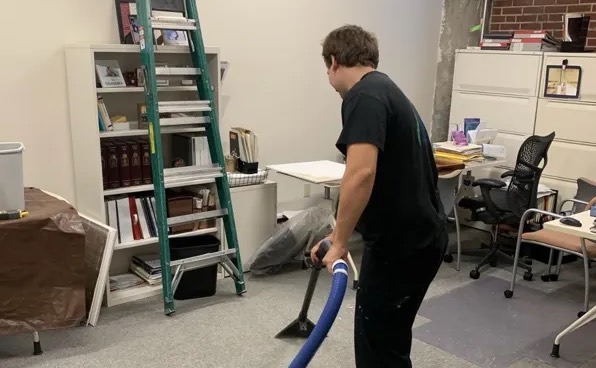
Professional Residential Water Removal in Greensboro, GA
For residents in Greensboro, professional water cleanup services are vital to returning a home to a safe, dry state after an incident.
Residential water removal in Greensboro deals with problems like basement flooding or plumbing leaks that can hit any home. Local water damage pros serve properties here and in nearby communities like Eatonton.
Detailed Residential Water Removal for Greensboro Homes
Moisture Inspection
Using meters and imaging, the pros map dampness in walls and subfloors to guide an effective drying strategy in Greensboro.
Mold Prevention After Water Damage
Leftover dampness fuels mold growth after a leak. The prevention strategy involves aggressive drying to eliminate excess moisture from the air and materials, safeguarding a home's air quality.
Water Damage Restoration
The restoration phase involves detailed drying, antimicrobial application, and reconstruction. The pros use scientific drying principles to help ensure all affected materials are returned to a dry standard.
Flooded Basement Water Removal
The pros prioritize extraction using submersible pumps, followed by focused drying of the slab and lower wall cavities.
Structural Drying Services
Structural drying targets wood framing, concrete and drywall. Air movers and dehumidifiers pull the moisture out until readings are normal.
When to Call for Residential Water Removal in Greensboro
Increased Humidity Inside the Home
A general feeling of damp air or windows constantly fogging up can be a sign of widespread moisture issues.
Wet or Soggy Carpeting
Carpet that feels damp, squishes underfoot or shows wet spots is holding water in the pad.
Sagging or Stained Ceilings
Ceilings that droop or have large water stains signal a leak from above.
Bubbling or Peeling Paint
Paint that blisters or wallpaper that peels away is a common symptom of excess moisture trapped within walls.
How Residential Water Removal Works in Greensboro
Step 1: Emergency Water Extraction
The pros remove all standing water with truck-mounted or portable extraction units.
Step 2: Detailed Moisture Inspection
Using moisture meters and thermal imaging, the pros map the full extent of saturation in walls, floors and subfloors, identifying all affected areas.
Step 3: Professional Structural Drying
Industrial air movers and dehumidifiers are placed to pull moisture from building materials and the air.
Step 4: Sanitation and Mold Prevention
Affected areas are cleaned and treated with antimicrobial solutions to inhibit mold growth, a key part of the water damage restoration process for a healthy home.
What Leads to Needing Residential Water Removal in Greensboro
Faulty or Overflowing Plumbing Fixtures
Toilets, sinks, bathtubs and showers can overflow due to clogs, faulty valves or simply being left running.
Sprinkler System or Irrigation Leaks
Damaged underground sprinkler lines or malfunctioning irrigation controllers can saturate the soil and foundation.
Foundation Cracks and Seepage
Hydrostatic pressure from saturated soil can force groundwater through cracks in your home's concrete foundation.
Severe Weather and Flash Flooding
Heavy rains, flash floods or overwhelmed drainage can lead to floodwater entering the home at ground level.
Residential Water Removal Services for All Properties in Greensboro
Residential Water Removal
In homes, the pros work around furniture and belongings and use meters to find dampness in walls and subfloors before drying.
Commercial Water Removal
Commercial water cleanup covers larger spaces, machinery and public areas. The pros plan the work so the business can keep running where it is safe.
Residential Water Removal vs. DIY: When to Call Water Damage Pros
If safe to do so, you can turn off the main water supply to stop the flow from a broken pipe. Remove small, movable items like rugs and furniture from the wet area to prevent staining.
Cost Considerations for Residential Water Removal in Greensboro
The cost of residential water removal in Greensboro is shaped by the volume of water extracted and the urgency of the response, as emergency services often require more resources.
Mold Prevention Measures
Implementing proactive mold prevention after water damage, like applying antimicrobials, adds to the project's total investment.
Affected Square Footage
Larger wet areas take more time, equipment and labor to extract and dry.
Required Drying Time
The duration needed for complete structural drying with professional equipment is a primary component of the overall service cost.
Does Insurance Cover Residential Water Removal?
Whether insurance covers water damage restoration in Greensboro hinges on your policy's details. The pros provide thorough documentation of the damage, but you must confirm coverage directly with your insurance provider.
Advantages of Professional Residential Water Removal in Greensboro
IICRC-Standard Water Removal
The pros follow industry-standard methods for water extraction and drying, promoting effective moisture removal and damage control.
Water Mitigation
Fast action on broken pipes and other emergencies keeps the damage smaller.
Detailed Damage Documentation
The pros document the damage scene meticulously, creating a clear record that can be useful for insurance purposes.
Greensboro Emergency Water Removal Services
For help with drying or limiting mold after a water problem in Greensboro, call (478) 779-1453 any time, day or night.
Call Now (478) 779-1453Locations Served for Residential Water Removal from Greensboro
Other places served are listed below, each with its own page.
- Residential Water Removal in Eatonton
- Residential Water Removal in Milledgeville
- Residential Water Removal in Monticello
- Residential Water Removal in Haddock
- Residential Water Removal in Hillsboro
- Residential Water Removal in Gray
- Residential Water Removal in Sandersville
- Residential Water Removal in Gordon
- Emergency Damage Restoration in 30642
- Storm Damage Restoration in 30642
- Water Damage Restoration in 30642
- Water Extraction Service in 30642
- Water Leak Detection in 30642
- Water Removal Service in 30642
Residential Water Removal Information and Answers
Why is quick action crucial for water cleanup services?
Speed limits the water's spread, reduces absorption into materials, lowers drying time and cost, and significantly decreases the risk of mold growth.
How long does the water damage restoration process take?
Drying times vary widely based on moisture levels and materials affected, but thorough structural drying often requires several days of continuous equipment operation.
What is the first step in residential water removal?
The immediate priority is emergency water extraction to remove standing water, which quickly reduces damage and allows the drying process to begin effectively.
Is water mitigation different from water damage restoration?
Water mitigation means the first steps that stop further damage, such as extraction and drying.
Can wet carpet drying save my carpets?
Often yes, if extraction and drying start quickly. If it sits too long, carpet may need to be replaced.