Griswoldville, GA · Jones County
Contaminated Water Removal in Griswoldville, GASewage Backup Water Removal & Sewage Water Cleanup
Contaminated Water Removal in Griswoldville runs from emergency water mitigation and sewage backup water removal to contaminated carpet removal.
Answered 24/7
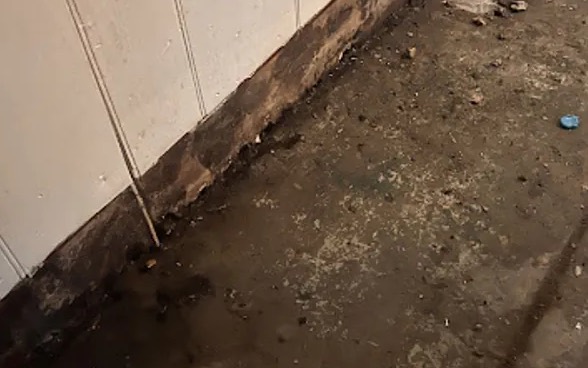
Local Contaminated Water Removal Services in Griswoldville, Georgia
Outside floodwater in Griswoldville picks up soil, fuel, chemicals and sewage on its way into a building. It is always treated as contaminated.
A sewer backup in Griswoldville can contaminate a whole floor quickly. Local contaminated water removal pros serve Griswoldville and nearby Dry Branch, Franklinton and Macon, with help available around the clock.
Contaminated Water Removal and Restoration Services in Griswoldville
Sewage Backup Water Removal
Sewage from a backed-up toilet, floor drain or tub is extracted with protective gear, and the affected area is sealed off from clean rooms.
Sewage Water Cleanup
Water carrying waste or other biological contamination is extracted with full protective gear, and the area is cleaned in a contained zone.
Gray Water Damage Cleanup
Carpet pad soaked by gray water is usually replaced, while hard surfaces are cleaned and disinfected.
Flooded Basement Cleanup
Contaminated water in a basement is pumped out, soaked materials are removed and the slab and lower walls are cleaned and disinfected.
Toxic Spill Water Removal
Surfaces touched by chemical-laden water are cleaned with products suited to the contaminant before drying.
When to Call for Contaminated Water Removal in Griswoldville, GA
Persistent Wet Carpet Issues
Carpet that stays wet and smells sour after a leak may have turned contaminated over time.
Sewage Backup in Home
Sewage coming up through toilets, tubs or floor drains is black water and needs protective cleanup right away.
Black Water After Heavy Rains
Water that flowed in from outside after heavy rain carries soil and contaminants and is treated as black water.
Gray Water From Appliance Leaks
Water from a washer or dishwasher drain is gray water and needs cleaning, not just drying.
How Contaminated Water Removal Works in Griswoldville
Step 1: Contamination Source Identification
The pros find whether the water came from a sewer, drain, appliance or outside flood.
Step 2: Contaminated Water Removal
Water is pumped and extracted quickly to limit how far contamination spreads.
Step 3: Affected Material Removal
Soaked carpet, pad, drywall and insulation are cut out, bagged and removed.
Step 4: Sanitization and Air Scrubbing
Remaining surfaces are disinfected, and air scrubbers filter odors and dust from the work area.
Sources of Water Damage Requiring Contaminated Water Removal in Griswoldville
Plumbing System Failures
Cracked drain pipes and failed fittings leak wastewater into walls, floors and crawl spaces.
Sump Pump Overwhelm or Failure
A sump pump that fails or is overwhelmed lets dirty groundwater rise into the basement.
Heavy Rainfall and Flooding
Heavy rain and flooding carry soil, chemicals and sewage into buildings through doors and walls.
Natural Disaster Aftermath
After storms and floods, water carries debris and contaminants from streets and yards.
Contaminated Water Removal Across Griswoldville Residential and Commercial Sectors
Residential Contaminated Water Removal
Families with young children, older adults or anyone with health concerns should stay out of contaminated areas until cleanup and disinfection are done.
Commercial Contaminated Water Removal
Restaurants and food businesses need contaminated areas cleaned and disinfected to meet health rules before food prep resumes.
Hiring Local Pros vs. DIY Contaminated Water Removal in Jones County
You can stop using water in the house, keep people and pets away and take photos. Removing contaminated materials and disinfecting the area needs protective gear and the right products.
Factors Affecting Contaminated Water Removal Cost in Griswoldville
The cost of contaminated water removal in Griswoldville depends on the type of contamination, how far it spread and how much material must be removed.
Affected Area Size
Larger contaminated areas need more extraction, more removal of materials, more disinfection and more drying.
Material Removal Needs
Removing and disposing of contaminated carpet, pad and drywall adds labor and fees.
Water Source and Volume
A large volume of water, or water from several sources, adds pumping and cleanup time.
Does Insurance Cover Contaminated Water Removal?
Insurers often ask where the water came from, since coverage for sewage, gray water and floodwater differs. Notes on the source help answer that.
Selecting Local Pros in Griswoldville for Your Contaminated Water Removal
Advanced Extraction Equipment
Pumps and extractors remove contaminated water quickly, with less contact and spread.
24/7 Emergency Response
Help is available day or night, because contaminated water cannot wait for business hours.
Preventive Mold Strategies
Fast cleanup and drying, plus treatment where needed, limits microbial growth after contaminated water.
Around-the-Clock Emergency Contaminated Water Removal in Griswoldville
If contaminated water is near outlets or appliances, shut off power at the panel if it is safe and stay out of it. Then call (478) 779-1453 for help.
Call Now (478) 779-1453Local Contaminated Water Removal Areas Including Griswoldville
The places below are also served, and each one has its own page.
- Contaminated Water Removal in Dry Branch
- Contaminated Water Removal in Franklinton
- Contaminated Water Removal in Macon
- Contaminated Water Removal in Gordon
- Contaminated Water Removal in Gray
- Contaminated Water Removal in Elko
- Contaminated Water Removal in Lizella
- Contaminated Water Removal in Jeffersonville
Contaminated Water Removal FAQs
When is sewage water cleanup required?
Whenever water carries sewage or other waste, including toilet overflows with waste and sewer backups.
What are dehumidification services used for after contaminated water?
Drying walls, floors and framing after cleaning, so cleaned surfaces do not stay damp.
What is contaminated water removal?
Extracting gray or black water with protective gear, removing soaked porous materials, disinfecting surfaces and drying the structure.
What is the difference between water extraction and restoration?
Extraction removes the water. Restoration includes cleaning, disinfection, drying and preparing the area for repairs.
How does emergency water mitigation help prevent mold?
Removing contaminated water and materials quickly and drying the structure keeps microbial growth from starting.