Dry Branch, GA · Bibb County
Contaminated Water Removal in Dry Branch, GAToxic Spill Water Removal & Flooded Basement Cleanup
Contaminated Water Removal in Dry Branch includes gray water damage cleanup, toxic spill water removal and emergency water mitigation.
Answered 24/7
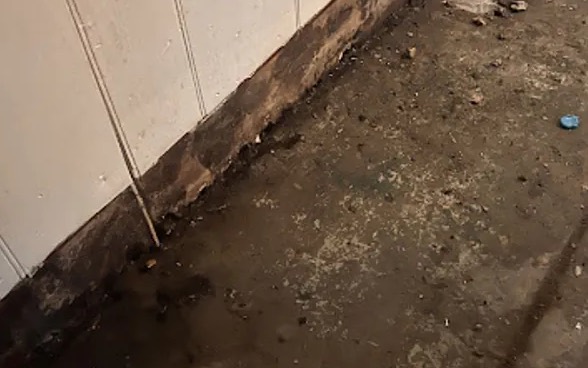
Trusted Contaminated Water Removal Solutions in Bibb County
Outside floodwater in Dry Branch picks up soil, fuel, chemicals and sewage on its way into a building. It is always treated as contaminated.
A sewer backup in Dry Branch can contaminate a whole floor quickly. Local contaminated water removal pros serve Dry Branch and nearby Franklinton, Griswoldville and Huber, with help available around the clock.
Complete Contaminated Water Removal Process for Dry Branch
Toxic Spill Water Removal
Larger chemical or fuel spills may need a hazardous materials contractor. The pros handle the water damage once the area is safe.
Flooded Basement Cleanup
Basement floods often reach furnaces, water heaters and stored belongings. Items are sorted, and contaminated porous items are discarded.
Sewage Water Cleanup
Contaminated materials are bagged and disposed of according to local rules, and the removed items are listed for insurance.
Sewage Backup Water Removal
Sewage from a backed-up toilet, floor drain or tub is extracted with protective gear, and the affected area is sealed off from clean rooms.
Contaminated Carpet Removal
The subfloor under removed carpet is cleaned, disinfected and dried before new flooring goes down.
Warning Signs You Need Contaminated Water Removal in Dry Branch
Persistent Wet Carpet Issues
Carpet that stays wet and smells sour after a leak may have turned contaminated over time.
Water From an Unknown Source
Water you cannot trace to a clean supply line should be treated as contaminated until checked.
Black Water After Heavy Rains
Water that flowed in from outside after heavy rain carries soil and contaminants and is treated as black water.
Mold After a Flood
Dark spots on walls or floors after a flood mean contaminated materials have stayed wet too long.
How Contaminated Water Removal Works in Dry Branch
Step 1: Initial Hazard Assessment
The type of contamination is identified and the right protective gear is chosen.
Step 2: Source Control and Water Extraction
The backup or leak is stopped, and contaminated water is extracted right away.
Step 3: Removal and Disposal
Contaminated materials are removed, bagged and disposed of according to local rules for that kind of waste.
Step 4: Drying and Dehumidification
Clean surfaces are dried with dehumidifiers and air movers until readings are normal.
Common Causes of Water Damage in Dry Branch
Natural Disaster Aftermath
After storms and floods, water carries debris and contaminants from streets and yards.
Landscape Irrigation Issues
Irrigation runoff carrying fertilizer and soil can seep into lower levels through walls.
Gray Water Source Overflow
Overflowing laundry tubs and sinks send gray water across floors and into nearby rooms.
Heavy Rainfall and Flooding
Heavy rain and flooding carry soil, chemicals and sewage into buildings through doors and walls.
Property Contaminated Water Removal for All Dry Branch Buildings
Residential Contaminated Water Removal
In homes, contaminated water usually comes from a sewer backup, an overflowing toilet or a flooded basement. The area is contained, cleaned and dried while the family stays out of it.
Commercial Contaminated Water Removal
In businesses, a sewage backup can close restrooms, kitchens or whole floors. Cleanup is contained and planned to reopen safely and quickly.
The Risks of DIY Contaminated Water Removal in Dry Branch
Bleach poured on sewage can create harsh fumes and does not clean porous materials. Contaminated carpet, pad and drywall need to be removed, not sprayed.
Factors Affecting Contaminated Water Removal Cost in Dry Branch
Sewer line or septic repairs are separate from cleanup. In Dry Branch, both are usually needed to prevent another backup.
Access Complexity
Crawl spaces, basements and tight areas take longer to reach and clean safely.
Affected Area Size
Larger contaminated areas need more extraction, more removal of materials, more disinfection and more drying.
Required Drying Time
Drying after cleaning can take several days, and each day of equipment adds cost.
Does Insurance Cover Contaminated Water Removal?
Photos, removal lists, moisture readings and drying logs from local contaminated water removal pros help support a contaminated water damage claim in Dry Branch.
Advantages of Hiring Local Pros in Dry Branch for Contaminated Water Removal
24/7 Emergency Response
Help is available day or night, because contaminated water cannot wait for business hours.
Detailed Damage Documentation
Photos, removal lists and drying logs are kept to support your insurance claim.
Moisture Mapping
Meters show where contaminated water spread under flooring, into walls and toward other rooms.
Round-the-Clock Emergency Contaminated Water Removal in Bibb County
Toilet or floor drain overflowing with sewage? Keep children and pets away and call (478) 779-1453 now for contaminated water removal in Dry Branch.
Call Now (478) 779-1453Contaminated Water Removal Coverage in Dry Branch, Franklinton, Griswoldville and Huber
Need contaminated water removal outside Dry Branch? Service also covers Franklinton, Griswoldville and Huber, including emergency help for sewer backups.
- Contaminated Water Removal in Franklinton
- Contaminated Water Removal in Griswoldville
- Contaminated Water Removal in Huber
- Contaminated Water Removal in Macon
- Contaminated Water Removal in Rutland
- Contaminated Water Removal in Jeffersonville
- Contaminated Water Removal in Avondale
- Contaminated Water Removal in Sofkee
- Emergency Damage Restoration in 31020
- Storm Damage Restoration in 31020
- Water Damage Restoration in 31020
- Water Extraction Service in 31020
- Water Leak Detection in 31020
- Water Removal Service in 31020
Frequently Asked Questions About Contaminated Water Removal
What should be done while waiting for contaminated water removal?
Stop water use, keep people and pets away, shut off power to wet areas if safe and take photos.
What is contaminated water removal?
Extracting gray or black water with protective gear, removing soaked porous materials, disinfecting surfaces and drying the structure.
What are dehumidification services used for after contaminated water?
Drying walls, floors and framing after cleaning, so cleaned surfaces do not stay damp.
What equipment is used for contaminated water removal?
Pumps and extractors, protective gear, disinfectants and air scrubbers, plus dehumidifiers, air movers and moisture meters for drying.
Why is immediate action critical for contaminated water?
Contamination spreads into more materials and rooms over time, raising the cost and the health risk.