Griswoldville, GA · Jones County
Basement Water Damage Restoration in Griswoldville, GABasement Mold Prevention & Basement Wall Drying
Basement Water Damage Restoration in Griswoldville runs from basement water extraction and basement floor water removal to basement dehumidification.
Answered 24/7
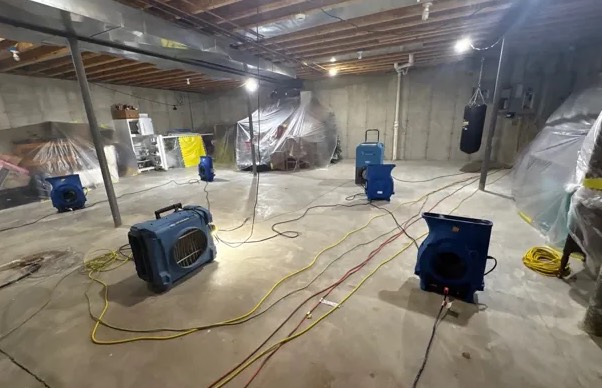
Basement Water Damage Restoration Solutions in Griswoldville, Georgia
Water in a basement does not stay on the floor. It wicks up drywall, soaks insulation and seeps into wood framing. In Griswoldville, a few inches of water can damage walls up to two feet high.
In Griswoldville, a home with a basement or below-grade room can flood after heavy rain or a blocked sewer line. Local water damage pros serve Griswoldville, Dry Branch, Franklinton and Macon, pumping out water and drying finished and unfinished spaces.
Basement Water Damage Restoration Services in Griswoldville
Basement Mold Prevention
Keeping basement humidity low after drying helps prevent mold from returning, especially in finished spaces.
Basement Wall Drying
Finished basement walls hide wet insulation and framing. Removing the bottom of the drywall lets air reach the cavity.
Basement Floor Water Removal
Water on a concrete floor is squeegeed and extracted, and floor coverings such as carpet, vinyl or laminate are lifted to dry the slab.
Basement Water Extraction
Basement water is removed before drying starts, because every gallon left behind keeps the walls and air damp.
Basement Dehumidification
A basement with no moisture problem before the flood may still need a dehumidifier afterward while the concrete dries.
Indicators for Basement Water Damage Restoration in Griswoldville
Sump Pump Failure or Overflow
A sump pump that runs constantly, fails to start or lets the pit overflow puts the basement at risk.
Condensation on Windows or Pipes
Water beading on cold pipes or basement windows shows high humidity that keeps materials damp.
Peeling Paint or Wallpaper
Paint that peels or blisters on basement walls often has moisture behind it.
Efflorescence on Concrete Walls
White, chalky deposits on concrete walls mean water is moving through the concrete and leaving minerals behind.
How Basement Water Damage Restoration Works in Griswoldville
Step 1: Water Removal
Pumps and extractors remove standing water from the basement floor, starting at the lowest point.
Step 2: Targeted Moisture Evaporation
Air movers are aimed at wet walls, framing and the slab to speed evaporation.
Step 3: Humidity Control
Large dehumidifiers pull moisture from the basement air, with readings checked every day.
Step 4: Final Verification and Restoration
Final readings confirm the basement is dry, and the space is ready for drywall and flooring repairs.
Why Basement Water Damage Occurs in Griswoldville
Sewer Line Backups
A blocked or overloaded sewer line pushes wastewater up through basement drains and toilets.
HVAC Condensate Line Overflow
A clogged furnace or air conditioner condensate line can overflow onto the floor of a basement or lower-level utility room.
Clogged Floor Drains
A floor drain blocked by debris cannot carry off water from a leak or overflow, so it spreads across the basement floor.
Failed or Clogged Drain Tile
Clogged or collapsed drain tile around the foundation lets water build up against the walls.
Both Residential & Commercial Basement Water Damage Restoration in Griswoldville
Residential Basement Water Damage Restoration
A sewer backup in a home basement needs contaminated carpet, pad and drywall removed and every hard surface disinfected before drying.
Commercial Basement Water Damage Restoration
In restaurants and stores with basements, sewage backups need fast containment so contamination does not reach food or customer areas.
Basement Water Damage Restoration vs. DIY: When to Call the Pros
Keeping gutters and downspouts clear and checking water heater and washer hoses are good DIY steps before storm season. Once water is on the floor, call (478) 779-1453.
Factors Affecting Basement Water Damage Restoration Cost in Griswoldville
Waterproofing or sump pump replacement is a separate cost from water removal and drying. In Griswoldville, both may be needed to prevent a repeat.
Dehumidification Needs
Large dehumidifiers may need to run longer in below-grade spaces than in upper floors.
Access Complexity
Narrow stairs, low ceilings and stored contents can make the work slower.
Secondary Damage
Damage to furnaces, water heaters and belongings adds repair and replacement costs.
Does Insurance Cover Basement Water Damage Restoration?
Many homeowner policies cover sudden basement water from a burst pipe, but not seepage or groundwater. Sewer backup coverage is often a separate add-on, so check your policy.
Why Choose Local Pros for Basement Water Damage Restoration in Griswoldville
Advanced Moisture Detection
Moisture meters and thermal cameras find water in walls and slabs that looks dry.
Structural Integrity Assessment
Walls, stairs and framing are checked for damage before work begins in the basement.
Detailed Documentation
Photos, readings and drying logs are kept to support your insurance claim.
Emergency Basement Water Damage Restoration Available in Griswoldville
Every hour of standing water in a basement means more drywall and flooring to replace. Call (478) 779-1453 for basement water damage restoration in Griswoldville.
Call Now (478) 779-1453Local Basement Water Damage Restoration Coverage: Griswoldville and Beyond
The places below are also served, and each one has its own page.
- Basement Water Damage Restoration in Dry Branch
- Basement Water Damage Restoration in Franklinton
- Basement Water Damage Restoration in Macon
- Basement Water Damage Restoration in Gordon
- Basement Water Damage Restoration in Gray
- Basement Water Damage Restoration in Elko
- Basement Water Damage Restoration in Lizella
- Basement Water Damage Restoration in Jeffersonville
Basement Water Damage Restoration Common Questions Answered
Does basement mold prevention need special steps after flooding?
Fast drying is the main step. Wood and concrete that stayed wet can be treated with an antimicrobial once dry.
Why is quick action important for below-grade flood restoration?
Basements dry slowly, so every hour of standing water adds days of drying and more material to replace.
Should I try below-grade waterproofing myself after flooding?
Sealing a small crack can be a DIY job, but drying must come first, and larger waterproofing work should go to a contractor.
What does below-grade moisture removal include beyond pumping?
Extracting carpet and pad, opening wet walls, running air movers and dehumidifiers, and checking readings until dry.
How long does below-grade drying take after a flood?
Often several days or longer, since concrete and cool basement air dry slowly. Daily readings show progress.