Gray, GA · Jones County
Contaminated Water Removal in Gray, GAToxic Spill Water Removal & Contaminated Carpet Removal
Contaminated Water Removal in Gray covers sewage backup water removal, black water extraction and contaminated carpet removal.
Answered 24/7
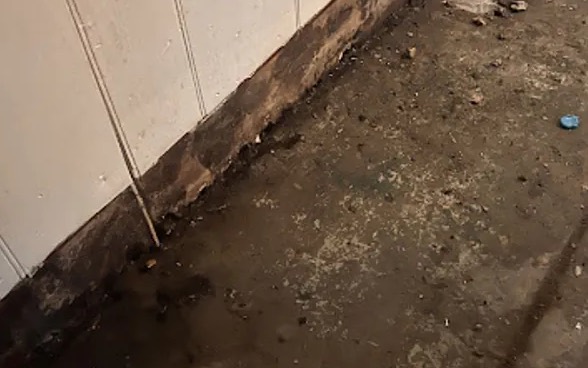
Local Contaminated Water Removal Services in Gray, Georgia
A sewer backup in a Gray home usually shows up at the lowest drain first: a floor drain, shower or ground-floor toilet. Several drains backing up at once points to the main line.
A sewer backup in Gray can contaminate a whole floor quickly. Local contaminated water removal pros serve Gray and nearby Haddock, Griswoldville and Macon, with help available around the clock.
Contaminated Water Removal and Restoration Services in Gray
Toxic Spill Water Removal
Larger chemical or fuel spills may need a hazardous materials contractor. The pros handle the water damage once the area is safe.
Contaminated Carpet Removal
Contaminated carpet is extracted first to reduce weight and dripping, then removed in sections and disposed of properly.
Flooded Basement Cleanup
Below-grade spaces dry slowly, so dehumidifiers run until the slab and walls test dry after cleaning.
Emergency Water Mitigation
Fast mitigation keeps contamination from spreading into clean rooms, ductwork and the floor below.
Black Water Extraction
Porous materials soaked by black water usually cannot be cleaned safely, so they are bagged and removed before drying.
When to Call for Contaminated Water Removal in Gray, GA
Sump Pump Failure and Overflow
A sump pit that overflows can push dirty groundwater and debris across a basement floor.
Water From an Unknown Source
Water you cannot trace to a clean supply line should be treated as contaminated until checked.
Visible Sewage in Carpet
Carpet with visible waste, debris or brown staining has absorbed contaminated water and must be removed.
Sewage Backup in Home
Sewage coming up through toilets, tubs or floor drains is black water and needs protective cleanup right away.
How Contaminated Water Removal Works in Gray
Step 1: Contamination Source Identification
The pros find whether the water came from a sewer, drain, appliance or outside flood.
Step 2: Contaminated Water Removal
Water is pumped and extracted quickly to limit how far contamination spreads.
Step 3: Affected Material Removal
Soaked carpet, pad, drywall and insulation are cut out, bagged and removed.
Step 4: Sanitization and Air Scrubbing
Remaining surfaces are disinfected, and air scrubbers filter odors and dust from the work area.
Common Causes of Water Damage in Gray
Natural Disaster Aftermath
After storms and floods, water carries debris and contaminants from streets and yards.
Plumbing System Failures
Cracked drain pipes and failed fittings leak wastewater into walls, floors and crawl spaces.
Landscape Irrigation Issues
Irrigation runoff carrying fertilizer and soil can seep into lower levels through walls.
Septic Tank Backups
A full or failing septic system sends wastewater back up through the lowest drains.
Contaminated Water Removal for Homes and Businesses in Gray, GA
Residential Contaminated Water Removal
Homeowners need to know what can be saved. Hard furniture can often be cleaned, while mattresses, upholstery and carpet soaked by sewage are usually discarded.
Commercial Contaminated Water Removal
Property managers in multi-unit buildings often see backups that affect several units on a shared line. Each unit is cleaned and documented separately.
Contaminated Water Removal vs. DIY: When to Call the Pros
Do not run fans or a household vacuum on contaminated water or wet materials. That spreads bacteria and odor through the house. Call (478) 779-1453 for safe extraction.
Estimating Contaminated Water Removal Expenses in Jones County
Disposal of contaminated materials, crawl space or below-grade access and after-hours calls all add to the total for contaminated water removal in Gray.
Affected Area Size
Larger contaminated areas need more extraction, more removal of materials, more disinfection and more drying.
Sanitization Procedures
Disinfecting every affected surface, from floors to lower walls, takes time and specialized products.
Material Removal Needs
Removing and disposing of contaminated carpet, pad and drywall adds labor and fees.
Does Insurance Cover Contaminated Water Removal?
Contaminated items that must be discarded should be listed and photographed before disposal, since insurers usually ask for that record.
Why Choose Local Pros for Contaminated Water Removal in Gray
Containment and Sanitization
The area is sealed off and cleaned so contamination stays out of clean rooms.
Advanced Extraction Equipment
Pumps and extractors remove contaminated water quickly, with less contact and spread.
Detailed Damage Documentation
Photos, removal lists and drying logs are kept to support your insurance claim.
Emergency Contaminated Water Removal Response for Gray, GA
The sooner contaminated water is removed, the less has to be thrown away. Call (478) 779-1453 for contaminated water removal in Gray, day or night.
Call Now (478) 779-1453Contaminated Water Removal for Gray and Surrounding Communities
Besides Gray, local contaminated water removal pros handle contaminated water cleanup and disinfection in nearby Haddock, Griswoldville and Macon.
- Contaminated Water Removal in Haddock
- Contaminated Water Removal in Griswoldville
- Contaminated Water Removal in Macon
- Contaminated Water Removal in Hillsboro
- Contaminated Water Removal in Franklinton
- Contaminated Water Removal in Bolingbroke
- Contaminated Water Removal in Gordon
- Contaminated Water Removal in Juliette
- Emergency Damage Restoration in 31032
- Storm Damage Restoration in 31032
- Water Damage Restoration in 31032
- Water Extraction Service in 31032
- Water Leak Detection in 31032
- Water Removal Service in 31032
Frequently Asked Questions About Contaminated Water Removal
Why is immediate action critical for contaminated water?
Contamination spreads into more materials and rooms over time, raising the cost and the health risk.
When is sewage water cleanup required?
Whenever water carries sewage or other waste, including toilet overflows with waste and sewer backups.
What equipment is used for contaminated water removal?
Pumps and extractors, protective gear, disinfectants and air scrubbers, plus dehumidifiers, air movers and moisture meters for drying.
What is involved in sewage backup cleanup?
Containing the area, extracting the sewage, removing soaked carpet and drywall, disinfecting surfaces and drying.
Can microbial growth be avoided after contaminated water damage?
Usually, if contaminated materials are removed and the structure is dried quickly after cleaning.