Rutland, GA · Bibb County
Water Damage Assessment in Rutland, GAMold Growth Risk Assessment & Hidden Water Damage Inspection
Water Damage Assessment in Rutland involves water leak source detection, moisture mapping, and structural damage inspection.
Answered 24/7
Professional Water Damage Assessment in Rutland, GA
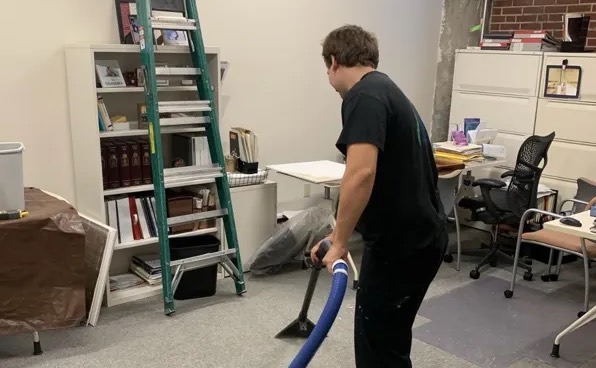
In Rutland, a water damage assessment shows how far a leak or flood spread and what needs repair, which helps avoid surprises later. Local moisture inspection pros check the structure and map the moisture.
In Rutland and nearby Sofkee, Walden and Avondale, the pros find leaks, map moisture, inspect the structure and evaluate contents to plan the restoration work.
Water Damage Assessment Methods Used in Rutland
Mold Growth Risk Assessment
Mold spores are always present. The assessment finds damp surfaces and cavities where mold could grow, which guides the final dryness checks in Rutland.
Hidden Water Damage Inspection
Hidden water damage can go unnoticed behind walls and under floors. The pros use moisture meters and thermal imaging to find concealed moisture.
Water Leak Source Detection
The pros use thermal cameras and moisture meters to trace hidden leaks. Pinpointing the source stops ongoing damage before drying starts.
Water Damage Report
After the assessment, the pros in Rutland prepare a water damage documentation report. It includes timestamped images, moisture level logs, and descriptions of affected materials.
Structural Damage Inspection
The strength of a property's framework must be verified. The pros look for water stains, softened areas, and unusual odors that indicate deeper structural issues.
Symptoms Calling for Water Damage Assessment in Rutland
Warped or Buckling Flooring
Hardwood floors that cup or laminate that buckles point to moisture underneath and possible structural damage.
Musty or Moldy Odors
A persistent damp, earthy smell can signal hidden moisture and potential mold growth risk, requiring immediate investigation by the pros.
Discolored Walls or Ceilings
Water stains or yellowish patches on walls and ceilings often indicate slow leaks or past flooding that need a professional water damage inspection.
Peeling Paint or Wallpaper
Blisters or peeling finishes on walls often mean trapped moisture is compromising the adhesive and drywall behind the surface.
How Water Damage Assessment Works in Rutland
Step 1: Property-Wide Water Leak Assessment
The process starts with a systematic search for all active and past leaks. The pros examine plumbing, appliances, and the building envelope for failure points.
Step 2: Hidden Water Damage Detection Phase
Using non-invasive tools, the specialists probe behind walls and under floors. This critical phase finds moisture that isn't visible during a standard walkthrough.
Step 3: Evaluation of Salvageable Materials and Belongings
Every affected room undergoes a content and belongings evaluation. The pros separate items for cleaning, items for disposal, and document everything for the homeowner's insurance claim.
Step 4: Drying Strategy and Equipment Planning
Based on the moisture map, the pros design a targeted drying equipment plan. This specifies the number and placement of air movers, dehumidifiers, and monitoring sensors needed.
Frequent Sources of Property Water Damage in Rutland
Human Error and Accidental Overflows
Overflowing bathtubs, sinks, or toilets are common household incidents that can quickly cause significant water damage if not addressed.
HVAC System Condensation Issues
Clogged drain lines or malfunctioning condensate pumps in air conditioners can cause water to back up and damage ceilings and walls.
Foundation Cracks and Poor Drainage
Hydrostatic pressure from poor yard grading or clogged drains can push water through foundation cracks, causing basement flooding.
Roof Leaks and Compromised Flashing
Damaged shingles, cracked flashing, or clogged gutters allow water to seep into attics and walls during rainstorms.
Rutland Property Water Damage Assessment: Residential & Commercial
Residential Water Damage Assessment
In condos and houses, the assessment checks damp areas like crawl spaces for mold risk, which shapes the drying plan.
Commercial Water Damage Assessment
For restaurants and hotels, the pros check kitchens, laundry areas and guest rooms so health concerns are part of the cleanup plan.
Professional Water Damage Assessment or DIY Assessment in Rutland
Removing excess water from hard surfaces with a mop or wet vacuum is a reasonable first step for a small, clean water incident. Do not attempt to pull up saturated carpet or padding yourself.
Understanding Water Damage Assessment Pricing in Rutland
In Rutland, cost depends on the number of rooms inspected and the moisture mapping equipment needed for the job.
Drying Plan Complexity
Developing a detailed drying equipment plan for a large-scale flood damage assessment influences the initial evaluation phase.
Emergency Service Timing
An inspection at night or on a weekend may cost more than one during business hours.
Documentation for Insurance
A detailed report with photos and moisture readings for a claim takes extra time.
Does Insurance Cover Water Damage Assessment?
Whether your policy includes emergency water damage inspection costs depends on its language. The pros provide the necessary moisture meter readings and damage documentation for your claim process.
Why Choose Local Moisture Inspection Pros for Water Damage Assessment in Rutland
Detailed Moisture Mapping
Meters and thermal cameras show the full extent of the water, including what is hidden.
IICRC-Standard Inspection Methods
The pros follow industry standards for moisture mapping and leak detection, so the assessment of properties in Rutland is accurate.
Belongings Assessment
Personal contents and belongings are evaluated for water damage as part of the overall property assessment process.
24/7 Emergency Water Damage Assessment in Rutland
Hidden water after a sudden leak? Call (478) 779-1453 at any hour for an inspection that records the damage before it spreads.
Call Now (478) 779-1453Rutland and Region Water Damage Assessment Availability
The places below are also served, and each one has its own page.
Water Damage Assessment FAQs
Is mold inspection after water damage always necessary?
While not always immediately visible, assessing mold risk is a prudent part of the process, as mold can begin growing within 24-48 hours in damp conditions.
Why get a commercial water damage assessment?
For businesses, a prompt assessment minimizes downtime, accurately documents loss for insurance, and plans the restoration of operations with a detailed scope outline.
What is a drying equipment plan development?
Based on moisture mapping, pros outline the specific types, number, and placement of air movers, dehumidifiers, and other equipment needed for effective drying.
When is an emergency water damage inspection needed?
An emergency inspection is critical for major leaks, flooding, or any water incident where rapid documentation and action are needed to prevent further damage.
What should I do while I wait for a water damage inspection?
If safe, turn off the water source at the main valve and move valuable items away from standing water.