Rutland, GA · Bibb County
Groundwater Seepage Removal in Rutland, GABasement Water Seepage Cleanup & Foundation Water Extraction
Groundwater Seepage Removal in Rutland offers crawl space water removal, foundation water extraction, and wet basement drying services.
Answered 24/7
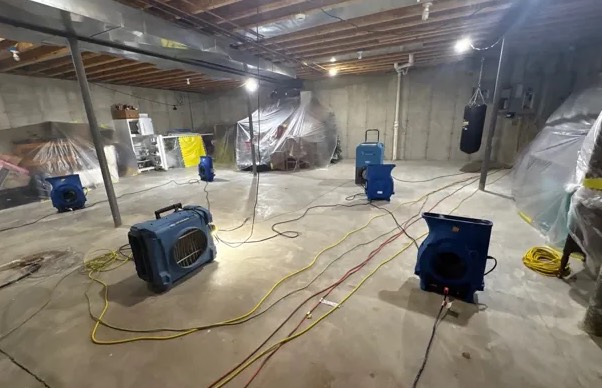
Professional Groundwater Seepage Removal in Rutland, GA
In Rutland, seepage that is left alone leads to mold, rot and musty smells. Local restoration pros extract the water and dry the wet materials.
Groundwater seepage removal is a common concern for properties in Rutland and nearby areas like Sofkee, Walden and Avondale, where soil conditions can lead to basement water seepage. Local water removal pros address these issues with targeted extraction and drying methods to protect your investment.
Local Groundwater Seepage Removal Methods in Rutland
Basement Water Seepage Cleanup
The pros handle water that seeps through basement walls and floors. They extract it and dry the concrete and any finished walls or flooring.
Foundation Water Extraction
Extracting water from the foundation area is a specialized service to protect your property's structural core.
Emergency Water Seepage Extraction
The pros are available 24/7 to begin extracting the water, limiting the spread and severity of the damage.
Groundwater Damage Restoration
Groundwater damage restoration involves the full process of returning a property to normal after seepage. After removal, the pros dry, dehumidify and clean the affected materials.
Crawl Space Water Removal
The removal process involves pumping out the water and beginning the drying process for the space and the soil vapor barrier, a critical step for home health.
Warning Signs You Need Groundwater Seepage Removal
Wet or Soggy Carpeting
Carpet that stays damp or develops stains can mean moisture is coming up through the slab.
Musty Odors in Lower Levels
A lingering earthy or musty smell often means groundwater is getting in somewhere and materials are staying damp.
Warped Wooden Floor Joists
Sagging or warped framing lumber in a basement means it has been wet for a long time and needs drying.
Peeling Paint or Wallpaper
Paint or finish blistering off walls in lower levels means moisture is pushing through from behind.
How Groundwater Seepage Removal Works in Rutland
Step 1: Site Inspection and Diagnostics
The pros inspect the property to find where groundwater is getting in and plan the cleanup.
Step 2: Crawl Space Water Removal
If the crawl space is wet, water and wet debris are removed with extraction equipment.
Step 3: Foundation Water Extraction
Water is extracted along the foundation walls and from low spots on the slab.
Step 4: Verification of Dryness
Moisture meters confirm that the materials are dry before the job is finished.
Why Water Seepage Occurs in Rutland
Clogged or Missing Gutters
Gutters that overflow dump water directly beside the foundation, leading to saturated soil and basement water seepage.
Capillary Action Through Concrete
Concrete is porous, so it can wick moisture upward from damp soil into a slab or basement wall.
Inadequate or Faulty Sump Pump
A sump pump that is too small, clogged or broken lets groundwater build up in the basement or crawl space.
Poor Exterior Drainage Grading
Soil that slopes toward the foundation directs rainwater and groundwater into basement walls, causing seepage over time.
Groundwater Seepage Removal for Every Building Type in Rutland
Residential Groundwater Seepage Removal
Groundwater seepage in residential crawl spaces can attract pests and send musty air into the house. The pros pump out the crawl space and dry it.
Commercial Groundwater Seepage Removal
Commercial buildings often have large floor areas where seepage spreads widely. The pros extract it and dry the space section by section.
Why DIY Often Fails for Groundwater Seepage Removal in Rutland
Inspecting your crawl space access door for visible water pooling or vapor barrier damage is a safe DIY check. Wear protective gear if you choose to look.
What Affects Groundwater Seepage Removal Expense in Rutland
The cost of drying a wet basement in Rutland includes labor, the number of air movers and dehumidifiers and the days of monitoring. The size of the wet area matters most.
Restoration Work Needed
If seepage ruined drywall or flooring, removing and replacing it is a separate cost.
Access and Complexity
A tight crawl space or a finished basement full of belongings takes more labor to work in.
Extent of Saturation
The size of the wet area and how deep the water went into concrete and wood set the scope of the job.
Does Insurance Cover Groundwater Seepage Removal?
Insurance coverage for groundwater seepage removal depends on the policy's specific language. Many standard policies exclude damage from water that seeps from the ground. The final coverage decision rests with the insurer.
Benefits of Local Pros for Groundwater Seepage Removal in Rutland
Controlled Humidity Management
Industrial dehumidifiers keep the air dry enough to draw moisture out of concrete, wood and drywall.
Targeted Groundwater Extraction
High-capacity pumps and extractors remove standing water from the floor before drying begins.
Specialized Crawl Space Access
The pros have the equipment to work safely in tight, hard-to-reach crawl spaces.
Emergency Groundwater Seepage Removal Response in Rutland
If you have standing water in your crawl space or basement, don't delay. Reach the pros for emergency groundwater seepage removal at (478) 779-1453.
Call Now (478) 779-1453Groundwater Seepage Removal in Rutland and Other Areas Served
Other places served are listed below, each with its own page.
- Groundwater Seepage Removal in Sofkee
- Groundwater Seepage Removal in Walden
- Groundwater Seepage Removal in Avondale
- Groundwater Seepage Removal in Huber
- Groundwater Seepage Removal in Macon
- Groundwater Seepage Removal in Byron
- Groundwater Seepage Removal in Kathleen
- Groundwater Seepage Removal in Perry
FAQs on Groundwater Seepage Removal for Rutland Residents
Is emergency water extraction available on weekends?
Yes. Help is available 24/7, including nights, weekends and holidays, because seepage can start at any time.
What happens during the groundwater cleanup process?
Stopping the water if possible, extracting what is standing, drying all wet materials, cleaning surfaces and checking that everything is dry.
What equipment is used for water damage restoration?
Submersible pumps, wet vacuums, dehumidifiers, air movers and moisture meters, plus thermal cameras to find hidden water.
Can seepage lead to other problems besides water damage?
Yes. Ongoing dampness can lead to mold, wood rot and musty smells, which can bother people with allergies.
What causes the need for slab leak water cleanup?
Usually it comes from plumbing leaks, but groundwater can also push moisture up through cracks or joints in a slab floor.