Rutland, GA · Bibb County
AC Unit Water Removal in Rutland, GAAC Drain Pan Water Extraction & AC Leak Mold Prevention
AC Unit Water Removal in Rutland runs from emergency AC water removal and AC leak water cleanup to air conditioner restoration services.
Answered 24/7
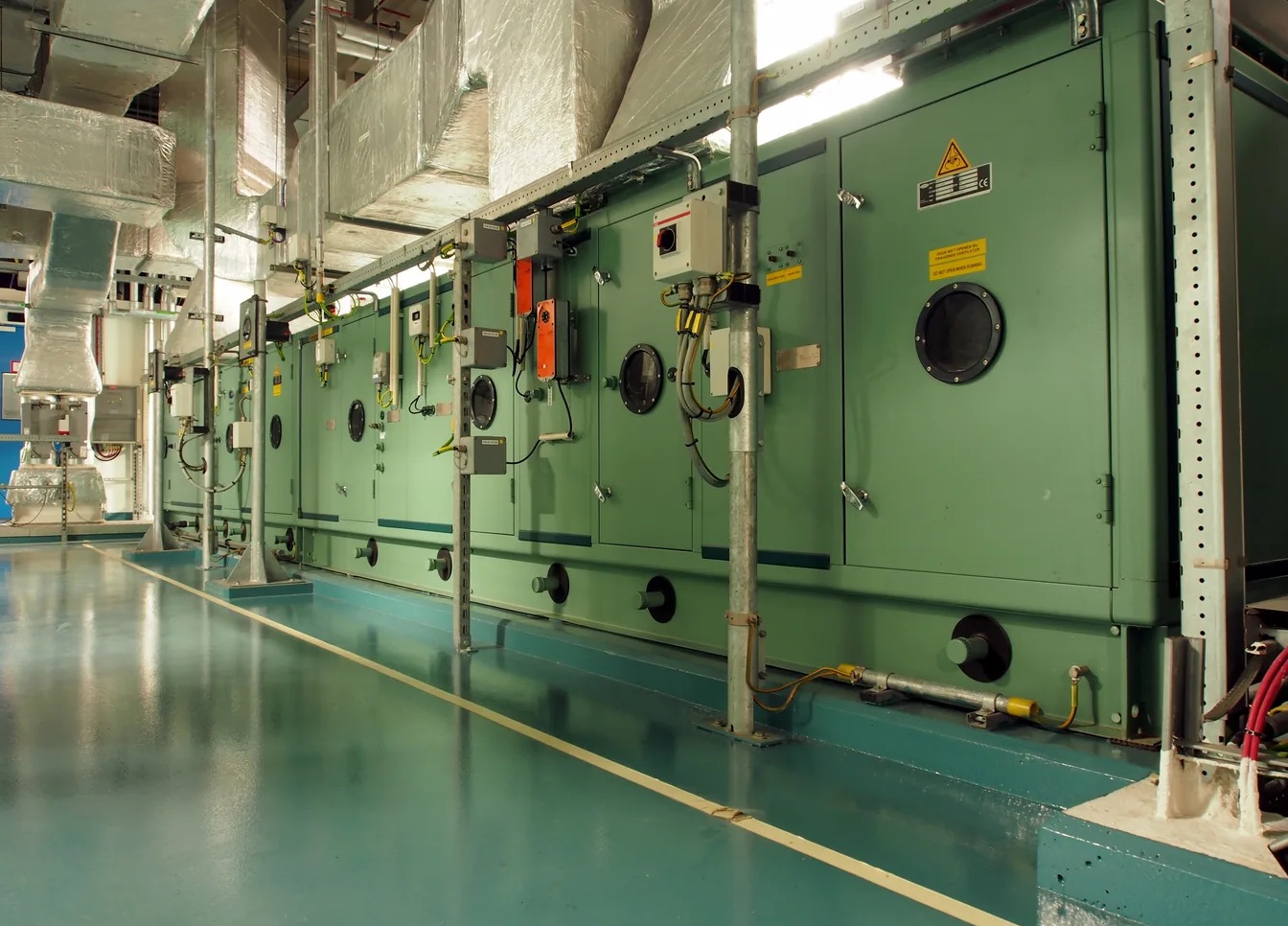
Trusted AC Unit Water Removal for Rutland Residents
AC Unit Water Removal in Rutland covers the whole leak, from removing standing water to drying wet materials and repairing drywall or trim afterward. Each step depends on how far the water traveled and how long it sat.
Property owners in Rutland can call (478) 779-1453 day or night when an air handler starts leaking. Service also covers Sofkee, Walden and Avondale, with the same extraction, drain clearing and drying process for attic, closet and garage units in houses, condos and apartments.
Complete AC Unit Water Removal and Repair in Rutland
AC Drain Pan Water Extraction
A soaked pan in an attic unit is a ceiling leak waiting to happen. Extracting it quickly protects the drywall underneath.
AC Leak Mold Prevention
Antimicrobial treatment is an add-on step after drying, not a substitute for removing wet materials that cannot be saved.
Air Conditioner Restoration Services
After drying, damaged drywall, trim or ceiling panels near the unit can be replaced and repainted.
AC Leak Water Extraction
Extractors and pumps pull water from carpet, pad and hard floors around the unit, then hidden moisture is mapped in the subfloor.
Emergency AC Water Removal
A sudden AC flood can soak a ceiling or floor in hours. Emergency removal gets the water out before it spreads into framing and insulation.
Signs of AC Water Damage Requiring Removal
AC Unit Circuit Breaker Trips
Water reaching electrical parts can trip the breaker. Shut the unit off and call before resetting it again.
AC Drain Pan Overflow
Water at the rim of the drain pan, or in the secondary pan, means the condensate line is blocked.
AC System Shuts Off
Many units have a float switch that shuts the system off when the pan fills. If the AC stops cooling, check the pan.
Visible Mold Near AC
Dark spots on drywall or framing near the unit mean the area has stayed wet for days.
How AC Unit Water Removal Works in Rutland
Step 1: AC Leak Water Cleanup
Pooled water is removed from around the air handler and from any rooms or ceilings the leak reached.
Step 2: AC Drain Pan Water Extraction
The primary and secondary pans are emptied and checked for cracks, rust holes or a stuck float switch.
Step 3: Component and Structure Drying
Wet panels, framing and subfloor are dried with targeted airflow and dehumidifiers until readings are normal.
Step 4: Documentation and Prevention
Photos and readings are recorded for insurance, and simple drain upkeep tips are shared to prevent a repeat.
What Leads to AC Unit Water Removal Needs in Rutland
Excess Outdoor Humidity
Very humid air makes the coil produce more water than a partly clogged drain can carry.
Age and Component Wear
Older units have worn fittings, brittle seals and corroded pans that start leaking together.
Disconnected Drain Line
A drain line knocked loose in the attic or closet empties condensate onto the ceiling or floor.
Clogged AC Condensation Line
Algae and sludge build up in the drain line over a cooling season until water backs up into the pan.
Both Residential & Commercial AC Unit Water Removal in Rutland
Residential AC Unit Water Removal
For homeowners, the main risk is water soaking into insulation and drywall where no one sees it. Moisture meters find that hidden water so it can be dried before it causes rot.
Commercial AC Unit Water Removal
For property managers, one leaking unit can affect several suites or the floor below. Each wet area is extracted, dried and documented for the owner and insurer.
Professional AC Unit Water Removal or DIY Cleanup in Rutland
DIY works for a small puddle on tile that you catch right away and wipe dry. Wet carpet and pad, or drywall that feels soft, usually need professional extraction and drying equipment to dry fully.
Estimating Your AC Unit Water Removal Cost in Rutland
Drying equipment is usually billed by the day, so how long materials stay wet matters. Starting quickly in Rutland shortens drying time and lowers the total.
Leak Source and Severity
A slow drip near the closet costs less to fix than an attic overflow that soaked a ceiling and the room below.
Affected Component Count
The more of the system that got wet, such as the blower, panels and insulation, the more drying time is needed.
Required Drying Time
Dense materials and enclosed spaces take longer to dry, which means more equipment days.
Does Insurance Cover AC Unit Water Removal?
Coverage for AC unit water removal varies from policy to policy. The pros document the damage and the drying, but your insurer decides what is covered and what is not, so ask early in the claim.
Why Choose Local Pros for AC Unit Water Removal in Rutland
Drain Pan Extraction
Both the main pan and the safety pan are emptied and checked for damage.
24/7 Emergency Response
Help is available any hour, which matters when an attic unit starts leaking into a ceiling at night.
Systematic Drain Line Clearing
The condensate line is cleared, not just the water mopped up, so the leak does not come right back.
Emergency AC Unit Water Removal Available 24/7 in Rutland
Night, weekend or holiday, local AC unit water removal pros handle leaking AC units in Rutland. Call (478) 779-1453 to get the water out, the condensate drain cleared and drying started.
Call Now (478) 779-1453AC Unit Water Removal Throughout Rutland and Beyond
Each place listed below has its own page with local details.
AC Unit Water Removal FAQ for Rutland Homeowners
What is involved in AC unit water removal?
Standing water is extracted, the condensate line is cleared, and wet materials are dried with air movers and dehumidifiers until moisture readings are normal.
Does homeowners insurance cover water damage from an HVAC unit?
Sudden leaks are often covered, but slow leaks and the unit itself usually are not. Check your policy.
How does antimicrobial treatment help after an AC leak?
Once surfaces are dry, an antimicrobial can be applied to wood and drywall that stayed wet to slow microbial growth.
What clogs an AC condensate line?
Algae, sludge, dust and debris build up inside the line, especially over long cooling seasons, until water backs up into the pan.
What happens if I ignore a drain pan overflow?
The leak keeps wetting the same materials, which can lead to rot, ceiling damage and microbial growth.