Deepstep, GA · Washington County
Multi-Family Water Damage Restoration in Deepstep, GACondo Water Damage Cleanup & Multi-Unit Flood Drying
Multi-Family Water Damage Restoration in Deepstep includes apartment water extraction, condo water damage cleanup, and multi-unit flood drying.
Answered 24/7
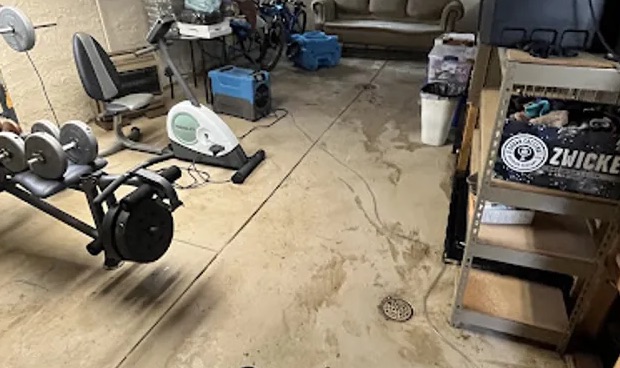
Local Multi-Family Water Damage Restoration Services for Deepstep Properties
Carpet water damage restoration aims to save flooring when possible, which can be more economical than full replacement. In Deepstep apartment buildings, carpets in hallways and units are frequently affected.
Multi-family property drying is a large-scale operation. In Deepstep, it usually takes many industrial dehumidifiers and air movers to dry whole floors of units. Local apartment water damage pros typically handle this work for apartment complexes in the Deepstep area.
Multi-Family Water Damage Restoration Work in Deepstep, GA
Condo Water Damage Cleanup
For condos in Deepstep, water damage cleanup is critical after overflows or pipe leaks. Water restoration pros remove damaged contents to establish a clean, dry environment.
Multi-Unit Flood Drying
Multi-unit flood drying uses air movers and dehumidifiers to eliminate moisture from walls and floors. Proper drying prevents warping and hidden mold.
Apartment Water Extraction
Apartment water extraction removes standing water from units and common areas. This immediate step prevents structural damage and mold growth.
Multi-Family Property Drying
The pros develop a drying plan that addresses moisture in shared walls, floor assemblies and common area ceilings.
Emergency Water Removal
When a building floods, water is removed from units and common areas first, so it does not keep running down to lower floors.
Indicators of Water Damage in Deepstep Multi-Family Homes
Peeling Paint or Wallpaper
Bubbling or peeling finishes are a clear indicator of moisture intrusion behind surfaces.
Dripping Sounds Behind Walls
The sound of running water inside walls when no fixtures are on points to an active leak.
Buckling or Warped Flooring
Carpets, laminate, or hardwood floors that are lifting or cupping are classic signs of water damage in apartment buildings.
Increased Humidity in Units
A clammy feeling in apartments after a leak means the units were not fully dried.
How Multi-Family Water Damage Restoration Works in Deepstep
Step 1: Source Containment and Safety Securement
The first priority is stopping the active water flow and securing the area for safety, helping ensure no electrical hazards exist for residents or workers.
Step 2: High-Efficiency Condo Water Removal
Submersible pumps and portable extractors remove water from balconies, parking garages and living spaces.
Step 3: Building-Wide Dehumidification and Air Scrubbing
Large-capacity dehumidifiers and air scrubbers work to remove moisture from the air and eliminate odors throughout the building's ventilation system.
Step 4: Detailed Reporting for Property Management
The pros provide a comprehensive report detailing the cause, actions taken, and moisture logs for the property manager's permanent records.
Common Causes of Water Damage in Deepstep Apartments
Clogged Balcony or Patio Drains
Blocked drainage on exterior spaces causes water to pool and infiltrate sliding doors, leading to interior floor damage.
HVAC Condensation Drainage Issues
Clogged drain pans or lines from air handlers lead to overflow, causing hidden moisture damage and potential mold growth.
Burst or Leaking Supply Lines
Failed pipes behind walls or under sinks are a leading cause of water damage in apartment buildings, and the water often reaches the unit below.
Failed Bathtub or Shower Seals
Worn caulking and grout let water into walls and subfloors in bathrooms and kitchens.
Multi-Family Water Damage Restoration for Apartments and Condos in Deepstep
Residential Multi-Family Water Damage Restoration
For apartment complexes and condominiums, the pros in Deepstep address leaks that spread between units. Proper drying prevents disputes between neighbors and landlords over mold issues.
Commercial Multi-Family Water Damage Restoration
For multi-tenant office buildings or retail spaces, the pros contain business interruptions. Documentation for insurance is thorough to support claims for both property managers and business owners.
The Risks of DIY Multi-Family Water Damage Restoration in Deepstep
After the pros complete water removal, you can assist the final drying phase by keeping the climate control system running as advised. Follow any specific instructions they provide about accessing the work area.
Cost Considerations for Multi-Family Water Damage Restoration in Deepstep
The expense for condo water damage restoration near Deepstep considers the building's construction, including shared walls and common areas that may need treatment. Costs account for specialized procedures like wet drywall removal and the potential for hidden moisture in multi-unit structures.
Affected Unit Count
One flooded apartment costs far less than water that spread through several units, which need more equipment and labor.
Carpet Restoration Scope
Carpet water damage restoration can range from simple drying to complete removal and replacement, depending on pad saturation and contamination levels.
Water Damage Category
Clean water from a broken pipe costs less to remediate than contaminated gray or black water, which requires stricter safety protocols and more intensive cleaning procedures.
Does Insurance Cover Multi-Family Water Damage Restoration?
For water damage in apartment buildings, insurance coverage can vary for owners, property managers, or tenants. The insurer makes the final coverage determination based on the policy's terms.
Why Choose Local Pros for Multi-Family Water Damage Restoration in Deepstep
Structural Drying Knowledge
Understanding multi-family building construction allows for strategic drying plan placement to address hidden moisture and protect structural integrity.
Carpet Restoration Expertise
Pros assess whether carpet water damage restoration is possible or if replacement is needed, based on pad saturation and contamination levels.
Documentation for Insurance
Detailed photos, moisture maps, and drying logs are provided by the pros to support your water damage insurance claim process effectively.
24/7 Emergency Multi-Family Water Damage Restoration in Deepstep
Water spreading in your apartment building requires immediate action. For 24/7 emergency water removal in Deepstep to stop the damage and start the drying process, call the experts at (478) 779-1453 now.
Call Now (478) 779-1453Multi-Family Water Damage Restoration Service Area Including Deepstep
Each place listed below has its own page with local details.
- Multi-Family Water Damage Restoration in Sandersville
- Multi-Family Water Damage Restoration in Tennille
- Multi-Family Water Damage Restoration in Oconee
- Multi-Family Water Damage Restoration in Toomsboro
- Multi-Family Water Damage Restoration in Milledgeville
- Multi-Family Water Damage Restoration in Abbeville
- Multi-Family Water Damage Restoration in Rochelle
- Multi-Family Water Damage Restoration in Chauncey
Multi-Family Water Damage Restoration Common Questions Answered
How is emergency water removal different in multi-unit buildings?
It requires coordinated access, potential containment to protect unaffected units, and often larger-scale extraction equipment to manage higher water volumes from common sources.
Is commercial water extraction used for apartment buildings?
Yes. Apartment buildings often need truck-mounted units and commercial pumps to move large volumes of water.
How long does multi-family property drying typically take?
Drying time depends on the extent of damage, materials involved, and climate, but it often takes several days of continuous monitoring with industrial drying equipment.
Why is apartment mold prevention part of water restoration?
Mold can begin growing within 24-48 hours in damp materials. Rapid drying and applying EPA-registered antimicrobial agents during restoration inhibit mold.
Does multi-unit flood drying require special equipment?
Yes, commercial-grade dehumidifiers, high-capacity air movers, and specialized moisture detection tools are used to effectively dry shared walls, floors, and cavities across multiple units.