Deepstep, GA · Washington County
Basement Water Damage Restoration in Deepstep, GABasement Dehumidification & Basement Wall Drying
Get basement water damage restoration in Deepstep for basement floor water removal, basement mold prevention and basement drying services.
Answered 24/7
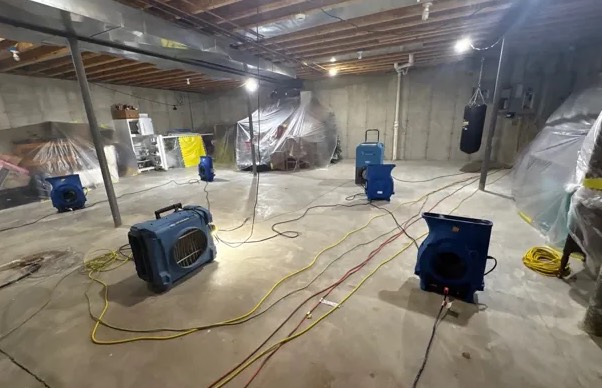
Basement Water Damage Restoration for Deepstep Homes
Basements collect water from every direction: rain seeping through walls, groundwater pushing up through the slab, sewage backing up through floor drains and pipes bursting overhead. In a Deepstep home with a basement or below-grade room, any of these can leave inches of water on the floor.
One burst pipe or heavy storm in Deepstep can flood a basement. Local restoration pros serve Deepstep and nearby Sandersville, Tennille and Oconee, with help available around the clock.
Complete Basement Water Damage Restoration for Deepstep
Basement Dehumidification
Dehumidification continues until humidity and material readings are normal. Turning it off too early lets moisture return.
Basement Wall Drying
Concrete and block walls are dried with directed airflow and dehumidifiers, and checked with meters until readings drop.
Basement Drying Services
Drying a basement takes longer than drying an upper floor because the air is cool and the concrete holds moisture.
Basement Floor Water Removal
Water on a concrete floor is squeegeed and extracted, and floor coverings such as carpet, vinyl or laminate are lifted to dry the slab.
Basement Water Extraction
Extraction starts at the lowest point, often near the floor drain or sump, and works outward until no pooled water remains.
Signs of Basement Water Damage in Deepstep
Peeling Paint or Wallpaper
Paint that peels or blisters on basement walls often has moisture behind it.
Warped or Buckling Basement Floors
Laminate, wood or vinyl flooring that buckles or lifts in the basement has water underneath.
Rusted Appliances or Pipes
Rust on the water heater, furnace base or pipes points to repeated moisture or past flooding.
High Humidity Levels Below-Grade
A basement that stays damp and clammy even on dry days has a moisture source that needs attention.
How Basement Water Damage Restoration Works in Deepstep
Step 1: Floodwater Pump-Out
Submersible pumps remove deep water, and electrical hazards are checked before anyone walks in it.
Step 2: Deep Moisture Extraction
Extractors pull water from carpet, pad and the concrete floor after the deep water is gone.
Step 3: Air Circulation and Drying
Air movers keep dry air moving across walls and floors throughout the basement.
Step 4: Dehumidification and Verification
Dehumidifiers run until humidity and material readings confirm the basement is dry.
Why Basement Water Damage Occurs in Deepstep
Water Heater or Appliance Leaks
Water heaters, washers and utility sinks in the basement can leak or fail without warning.
Clogged Floor Drains
A floor drain blocked by debris cannot carry off water from a leak or overflow, so it spreads across the basement floor.
Stormwater Runoff Into Lower Levels
Heavy rain running off hard ground or a sloped yard can pour down stairwells and under doors into below-grade rooms.
Failed or Clogged Drain Tile
Clogged or collapsed drain tile around the foundation lets water build up against the walls.
Basement Water Damage Restoration for Homes and Businesses in Deepstep
Residential Basement Water Damage Restoration
In homes, a flooded basement often means damaged carpet, drywall, a furnace or water heater and stored belongings. Water is pumped out, contents are moved and the space is dried.
Commercial Basement Water Damage Restoration
In commercial buildings, basements hold mechanical rooms, storage and sometimes offices. Water is removed and equipment areas are dried so systems can be checked and restarted.
Basement Water Damage Restoration vs. DIY: When to Call the Pros
Fans alone can push damp air into the rest of the house. Basement drying needs dehumidifiers to pull the moisture out of the air and the concrete.
What Influences Basement Water Damage Restoration Cost in Deepstep
Before pricing basement water damage restoration in Deepstep, the pros check the water depth, the type of water and what the basement is finished with.
Water Category
Clean water costs less to handle than sewage, which needs protective gear, removal and disinfection.
Material Saturation
Finished basements with carpet, drywall and insulation take more removal work than bare concrete.
Emergency Service
Night, weekend and storm calls can cost more than a scheduled visit.
Does Insurance Cover Basement Water Damage Restoration?
Many homeowner policies cover sudden basement water from a burst pipe, but not seepage or groundwater. Sewer backup coverage is often a separate add-on, so check your policy.
Reasons to Hire Local Pros for Basement Water Damage Restoration in Deepstep
Water Extraction First
Water is removed from floors, carpet and pad before drying starts, which shortens drying time.
Industry Drying Standards
Drying follows industry water damage standards, with readings taken at every visit.
Mold Prevention Focus
Fast drying is the main way to limit microbial growth in a below-grade space.
Round-the-Clock Emergency Basement Water Damage Restoration in Deepstep
A flooded basement damages walls, furnaces, water heaters and belongings quickly. Call (478) 779-1453 for basement water damage restoration in Deepstep at any hour.
Call Now (478) 779-1453Local Basement Water Damage Restoration Coverage: Deepstep and Beyond
Each place listed below has its own page with local details.
- Basement Water Damage Restoration in Sandersville
- Basement Water Damage Restoration in Tennille
- Basement Water Damage Restoration in Oconee
- Basement Water Damage Restoration in Toomsboro
- Basement Water Damage Restoration in Milledgeville
- Basement Water Damage Restoration in Abbeville
- Basement Water Damage Restoration in Rochelle
- Basement Water Damage Restoration in Chauncey
Frequently Asked Questions About Basement Water Damage Restoration
What does below-grade moisture removal include beyond pumping?
Extracting carpet and pad, opening wet walls, running air movers and dehumidifiers, and checking readings until dry.
How is basement sewer backup cleanup different from regular flooding?
Sewage carries bacteria, so it needs protective gear, removal of porous materials and disinfection before drying.
How soon should I call for basement water extraction after a leak?
Right away. Water wicks up drywall and soaks framing within hours, and below-grade spaces are slow to dry.
Why is dehumidification so important after basement water removal?
Basements hold moisture in the air and concrete. Without dehumidifiers, walls and framing stay damp long after the water is gone.
What equipment is used for below-grade water damage repair?
Submersible pumps, extractors, air movers, large dehumidifiers, moisture meters and air scrubbers for dust and odor.