Milledgeville, GA · Baldwin County
Basement Water Damage Restoration in Milledgeville, GABasement Wall Drying & Basement Mold Prevention
Basement Water Damage Restoration in Milledgeville includes emergency basement flood cleanup, basement sewer backup cleanup and basement wall drying.
Answered 24/7
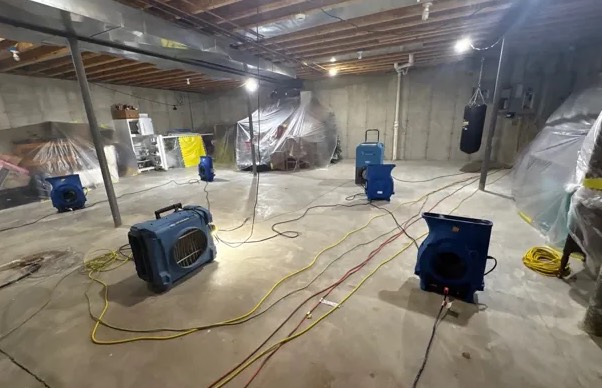
Local Basement Water Damage Restoration Near Milledgeville
Basements collect water from every direction: rain seeping through walls, groundwater pushing up through the slab, sewage backing up through floor drains and pipes bursting overhead. In a Milledgeville home with a basement or below-grade room, any of these can leave inches of water on the floor.
A finished basement or lower level in Milledgeville or Coopers, Haddock and Gordon can hide old moisture behind drywall and flooring. The pros find the water and dry the space before more damage sets in.
Professional Basement Water Damage Restoration Offered in Milledgeville
Basement Wall Drying
Finished basement walls hide wet insulation and framing. Removing the bottom of the drywall lets air reach the cavity.
Basement Mold Prevention
After drying, an antimicrobial can be applied to framing and concrete that were wet, to slow mold on surfaces that stay in place.
Emergency Basement Flood Cleanup
A flooded basement can damage furnaces, water heaters and stored items quickly. Fast pumping limits how much is lost.
Basement Dehumidification
A basement with no moisture problem before the flood may still need a dehumidifier afterward while the concrete dries.
Basement Floor Water Removal
A slab can look dry on top while still holding water. Moisture readings show when it is ready for new flooring.
Warning Signs You Need Basement Water Damage Restoration
Sump Pump Failure or Overflow
A sump pump that runs constantly, fails to start or lets the pit overflow puts the basement at risk.
Efflorescence on Concrete Walls
White, chalky deposits on concrete walls mean water is moving through the concrete and leaving minerals behind.
Warped or Buckling Basement Floors
Laminate, wood or vinyl flooring that buckles or lifts in the basement has water underneath.
Rusted Appliances or Pipes
Rust on the water heater, furnace base or pipes points to repeated moisture or past flooding.
How Basement Water Damage Restoration Works in Milledgeville
Step 1: Source Control and Extraction
The pipe is shut off, the sump restarted or the backup stopped, then the water is pumped out.
Step 2: Structural Drying Setup
Lower drywall is removed where soaked, and equipment is placed to dry wall cavities and the slab.
Step 3: Contaminant Removal
Materials touched by sewage or dirty water are removed and hard surfaces are cleaned and disinfected.
Step 4: Monitoring and Completion
Daily readings track drying until every material is normal, then equipment is removed.
Common Causes of Water Damage in Milledgeville
Plumbing Pipe Bursts or Leaks
Supply lines and drain pipes in basement ceilings can crack or burst onto the floor below.
Sump Pump Mechanical Failure
A sump pump that fails, loses power or is too small lets groundwater rise into the basement.
Failed or Clogged Drain Tile
Clogged or collapsed drain tile around the foundation lets water build up against the walls.
Stormwater Runoff Into Lower Levels
Heavy rain running off hard ground or a sloped yard can pour down stairwells and under doors into below-grade rooms.
Basement Water Damage Restoration for All Properties in Milledgeville
Residential Basement Water Damage Restoration
Finished basements used as living space need carpet, pad and lower drywall checked carefully. Soaked materials are removed so the walls and slab can dry.
Commercial Basement Water Damage Restoration
Businesses with below-grade storage need inventory moved out of the water quickly. Wet stock is separated and documented for insurance.
When to DIY and When to Call the Pros for Basement Water Damage Restoration
Fans alone can push damp air into the rest of the house. Basement drying needs dehumidifiers to pull the moisture out of the air and the concrete.
Cost Considerations for Basement Water Damage Restoration in Milledgeville
The cost of basement water damage restoration in Milledgeville depends on how much water there is, whether it is clean or sewage and how much finished material must be removed.
Access Complexity
Narrow stairs, low ceilings and stored contents can make the work slower.
Secondary Damage
Damage to furnaces, water heaters and belongings adds repair and replacement costs.
Material Saturation
Finished basements with carpet, drywall and insulation take more removal work than bare concrete.
Does Insurance Cover Basement Water Damage Restoration?
Coverage for basement water damage restoration depends on where the water came from and your policy terms. The pros document the damage, and your insurer decides what is covered.
Benefits of Local Pros for Basement Water Damage Restoration in Milledgeville
Structural Integrity Assessment
Walls, stairs and framing are checked for damage before work begins in the basement.
Water Type Handling
Clean water, gray water and sewage are each handled with the right protection and removal steps.
Mold Prevention Focus
Fast drying is the main way to limit microbial growth in a below-grade space.
Milledgeville Emergency Basement Water Damage Restoration Response
A flooded basement damages walls, furnaces, water heaters and belongings quickly. Call (478) 779-1453 for basement water damage restoration in Milledgeville at any hour.
Call Now (478) 779-1453Local Basement Water Damage Restoration Coverage: Milledgeville and Beyond
Nearby areas served for basement water damage restoration include Coopers, Haddock and Gordon, with the same pumping and drying steps used in Milledgeville.
- Basement Water Damage Restoration in Coopers
- Basement Water Damage Restoration in Haddock
- Basement Water Damage Restoration in Gordon
- Basement Water Damage Restoration in Deepstep
- Basement Water Damage Restoration in McIntyre
- Basement Water Damage Restoration in Gray
- Basement Water Damage Restoration in Eatonton
- Basement Water Damage Restoration in Irwinton
- Emergency Damage Restoration in 31059
- Storm Damage Restoration in 31059
- Water Damage Restoration in 31059
- Water Extraction Service in 31059
- Water Leak Detection in 31059
- Water Removal Service in 31059
- Emergency Damage Restoration in 31061
- Storm Damage Restoration in 31061
Basement Water Damage Restoration FAQs
What is the priority during emergency basement flood cleanup?
Safety first, especially electrical hazards, then stopping the source and pumping out the water as quickly as possible.
Does basement mold prevention need special steps after flooding?
Fast drying is the main step. Wood and concrete that stayed wet can be treated with an antimicrobial once dry.
What is the purpose of basement wall drying?
To remove water from drywall, insulation, framing and concrete so the walls can be repaired without trapping moisture.
Why is dehumidification so important after basement water removal?
Basements hold moisture in the air and concrete. Without dehumidifiers, walls and framing stay damp long after the water is gone.
What equipment is used for below-grade water damage repair?
Submersible pumps, extractors, air movers, large dehumidifiers, moisture meters and air scrubbers for dust and odor.