Deepstep, GA · Washington County
HVAC Leak Water Removal in Deepstep, GAHVAC Cabinet Water Extraction & Ductwork Condensation Water Removal
HVAC Leak Water Removal in Deepstep includes emergency HVAC leak cleanup, wet insulation removal near HVAC and coil leak water damage repair.
Answered 24/7
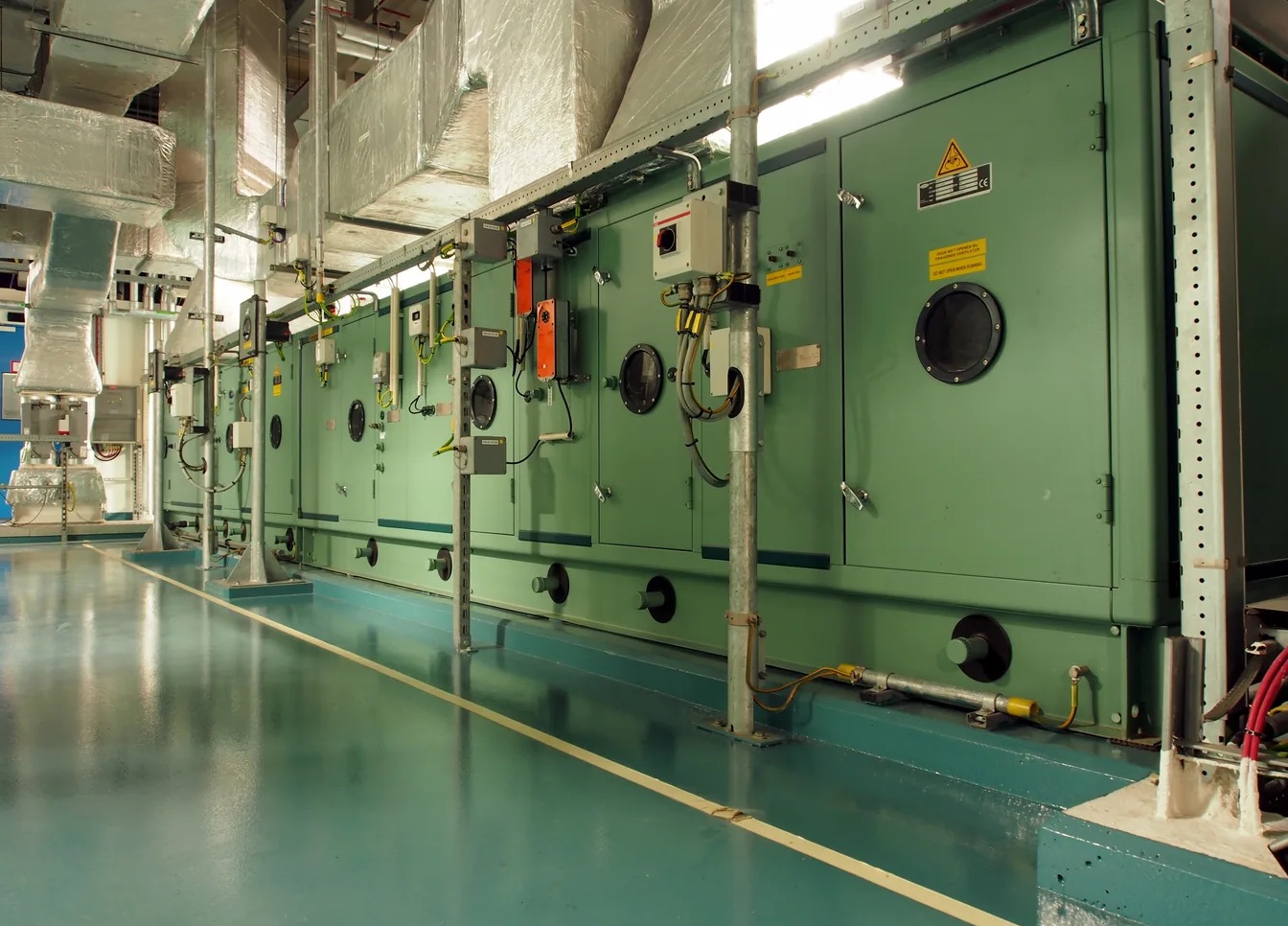
Expert HVAC Leak Water Removal in Deepstep GA
A leaking coil in Deepstep creates two jobs. An HVAC contractor repairs the coil, and the water that already escaped has to be removed and dried.
When an HVAC leak occurs in Deepstep, water needs to come out quickly to protect interior finishes and electrical systems. Local water removal pros serve this community and nearby areas like Sandersville, Tennille and Oconee, extracting water around the unit and drying wet ductwork before damage spreads.
Specialized HVAC Leak Water Removal Services in Deepstep
HVAC Cabinet Water Extraction
Standing water in the cabinet rusts the pan, panels and fasteners. Getting it out early stops that, and the cabinet is dried before the system runs again.
Ductwork Condensation Water Removal
Cold air inside ducts meeting warm, humid air causes sweating and droplets. Condensation soaks insulation and damages ceiling materials.
Wet Insulation Removal Near HVAC
Soggy insulation in a mechanical closet or crawlspace is a health concern. The pros remove it as part of restoration.
Emergency HVAC Leak Cleanup
An actively dripping or flooding HVAC leak is an emergency. Immediate cleanup focuses on water extraction and setting up drying equipment.
HVAC Drain Line Flood Cleanup
When a drain line fails over a concrete utility slab, extractors remove the water and the slab and wall bases are dried.
Warning Signs You Need HVAC Leak Water Removal
Wet or Sagging Insulation Nearby
Damp insulation around an attic unit or in nearby walls holds water against the drywall and framing.
High Indoor Humidity Levels
A home feeling persistently muggy can mean the HVAC system is not properly removing airborne moisture.
Mold on Air Handler
Visible mold on the unit, the ducts or nearby drywall usually means water has been there for a while.
Reduced Cooling or System Shutdown
An AC that shuts itself off may have a float switch that tripped because the drain pan is full of water.
How HVAC Leak Water Removal Works in Deepstep
Step 1: Source Identification and Stop
The first step is finding out whether the water came from a drain clog, a coil leak or sweating ducts, then stopping the flow.
Step 2: AC Unit Water Damage Mitigation
Water is extracted from the drain pan, the cabinet and any flooded parts of the unit.
Step 3: Coil Leak Water Damage Repair
If the coil itself is leaking, an HVAC contractor handles the repair, and the pros dry the water it released.
Step 4: Documentation and Monitoring
Photos and moisture logs are kept throughout the job for your records and your insurance claim.
Typical Reasons for HVAC Leak Water Removal in Deepstep
Refrigerant Leak at the Coil
A pinhole leak in the evaporator coil itself can allow refrigerant and moisture to escape simultaneously.
Obstructed Air Filter or Ducts
Badly restricted airflow lets frost build on the cold coil, and the water floods the pan when it melts.
Failed Condensate Pump
A condensate pump that fails in an attic or utility room cannot move water to the drain, so the reservoir overflows.
Frozen Evaporator Coil Thawing
A coil freezing due to low refrigerant or airflow can release large volumes of water upon thawing.
HVAC Leak Water Removal for All Properties in Deepstep
Residential HVAC Leak Water Removal
In homes, water from a utility closet can reach hardwood floors, cabinets and stored items. The pros dry those materials and wet duct sections near the unit.
Commercial HVAC Leak Water Removal
In commercial buildings, mechanical rooms and the spaces under them are checked for water and dried, with readings recorded for the building manager.
HVAC Leak Water Removal: DIY Risks and Pro Solutions in Deepstep
You can inspect the condensate drain line's outside termination for blockages. Gently pouring distilled vinegar down the drain may clear minor algae. Check and replace a dirty air filter. Do not open the HVAC cabinet or handle electrical components.
Factors in HVAC Leak Water Removal Cost for Deepstep
The experts in Deepstep price the job based on how long the leak ran and how much it damaged. Wet ducts inside walls or ceilings take extra work to reach.
Post-Extraction Repairs
Some jobs need small drain line or insulation repairs after drying, which are priced separately.
Water Contamination Category
Clean condensate is simpler to handle than dirty overflow from a drain line, which needs extra cleaning.
Leak Source and Severity
Whether the leak came from a drain line, the coil or the pan changes how much water there is and where it went.
Does Insurance Cover HVAC Leak Water Removal?
Coverage for HVAC leak water removal depends on what caused the leak and how your policy is written. The experts take photos and moisture readings, and your insurer decides what is covered.
Benefits of Local Water Damage Pros for HVAC Leak Water Removal in Deepstep
Focused on System Integrity
The goal is a dry unit area and dry materials around it, so the system can run safely again.
Containment and Air Filtration
The work area can be closed off so dust and moist air do not spread while wet materials are removed.
Detailed Damage Documentation
Photos and meter readings of the water damage give your adjuster clear records for the claim.
24/7 Emergency HVAC Leak Water Removal in Deepstep
A leaking AC unit can cause rapid electrical and structural damage. For immediate HVAC leak water removal in the Deepstep area, contact the experts at (478) 779-1453.
Call Now (478) 779-1453Areas Served for HVAC Leak Water Removal from Deepstep
Each place listed below has its own page with local details.
HVAC Leak Water Removal Common Questions
After HVAC system water cleanup, what repairs are needed?
Beyond drying, repairs might include unclogging or replacing a drain line, replacing wet insulation, and servicing the HVAC unit.
What is moisture remediation for HVAC systems?
It means removing excess moisture, drying all components and bringing humidity back to normal levels around the system.
What documentation do pros provide for insurance?
The experts take photos and moisture readings and keep a drying log of the cleanup that you can send to your insurer.
What causes an HVAC drain line to flood?
Algae, sludge or debris clog the condensate drain and the pan overflows. A disconnected or cracked drain line can also send water onto the floor.
What are signs of a leaking AC unit indoors?
Water around the indoor unit, stains on nearby walls or ceilings, a musty smell, or the system shutting off because its float switch tripped.