Franklinton, GA · Bibb County
Basement Water Removal in Franklinton, GABasement Dehumidification & Basement Floor Water Damage
Get basement water removal in Franklinton for emergency basement flooding, basement water pump out and basement floor water damage.
Answered 24/7
Reliable Basement Water Removal Near Franklinton, Georgia
A basement that looks dry a day after a flood in Franklinton can still hold a lot of water in the slab, the bottom of the walls and under flooring. That hidden water causes the musty smell many basements have.
A single storm or burst pipe in Franklinton can flood a basement. Local basement water removal pros serve Franklinton and nearby Dry Branch, Griswoldville and Macon, with help available around the clock.
Specialized Basement Water Removal for Franklinton
Basement Dehumidification
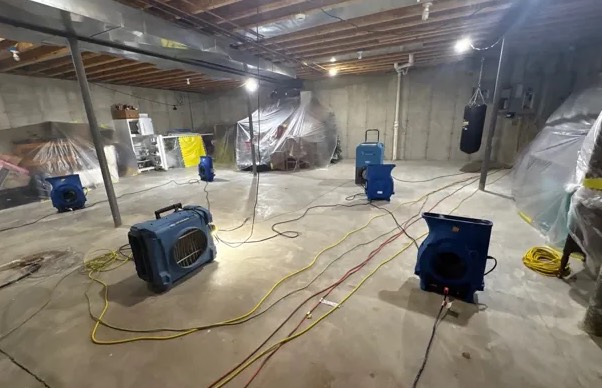
Dehumidifiers run continuously during drying, and their output is checked to track how much water is still coming out of the materials.
Basement Floor Water Damage
Flooring that buckled or swelled is removed. Tile and sealed concrete can often be cleaned and dried in place.
Sump Pump Failure Water Cleanup
Cleanup after a sump failure includes drying the area around the pit and noting whether the pump, switch or power was the cause.
Basement Drying Services
Equipment stays until the basement reads dry, not just until it looks dry. Removing it early lets dampness return.
Emergency Basement Flooding
A flooded basement threatens the furnace, water heater and anything stored on the floor. Fast pumping protects what can still be saved.
Indicators You Need Professional Water Removal
Gurgling Sounds From Drains
Gurgling floor drains or slow drains can be an early sign of a sewer line problem.
Standing Water in Basement
Standing water anywhere on the basement floor needs to be pumped out before it soaks the walls.
Mold or Mildew
Dark spots on drywall, framing or stored items mean the area has stayed wet for days.
Efflorescence on Concrete Walls
White, powdery deposits on concrete walls mean water is passing through the masonry.
How Basement Water Removal Works in Franklinton
Step 1: Safety Assessment and Pump Out
Electrical hazards are checked, then deep water is pumped outside away from the foundation.
Step 2: Content Removal and Damage Documentation
Wet belongings are moved, and photos record the water level and damaged materials.
Step 3: Targeted Water Removal and Drying
Carpet is extracted, wet drywall is cut back and air is aimed at walls and the slab.
Step 4: Sanitization and Moisture Control
Surfaces touched by dirty water are disinfected, and dehumidifiers keep humidity low.
What Causes Water Damage in Basements
Window Well Leaks and Drainage
Window wells without drains or covers fill with rain and leak through the windows.
Sump Pump Malfunction or Power Loss
A sump pump that fails mechanically or loses power during a storm lets groundwater rise.
Clogged or Damaged Gutters
Clogged gutters and short downspouts dump roof water right next to the foundation.
Plumbing Leaks or Pipe Bursts
Supply lines, drain pipes and water heaters in the basement can leak or burst onto the floor.
Professional Basement Water Removal for All Properties
Residential Basement Water Removal
In homes, a wet basement often means damaged carpet, drywall and stored belongings, plus a furnace or water heater sitting in water. Water is pumped out and the space dried.
Commercial Basement Water Removal
In commercial buildings, basements often house mechanical rooms and storage. Water is removed so systems can be checked to determine whether they can be restarted safely.
The Risks of DIY Basement Water Removal
Fans by themselves can spread damp basement air through the rest of the house. Basement drying needs dehumidifiers that pull moisture out of both the air and the concrete.
Factors Affecting Basement Water Removal Cost
The cost of basement water removal in Franklinton depends on how deep the water is, what type of water it is and how much finished material has to come out.
Access and Complexity
Narrow stairs, low ceilings and crowded storage areas make the work slower and longer.
Additional Services
Antimicrobial treatment, contents cleaning and repairs after drying add to the cost.
Time of Service
Night, weekend and storm calls can cost more than a scheduled weekday visit.
Does Insurance Cover Basement Water Removal?
Ask your adjuster early how your policy treats seepage and sewer backups, since many policies limit or exclude both kinds of water.
Why Franklinton Homeowners Trust Local Pros for Basement Water Removal
Industry Drying Standards
Water removal and drying follow industry water damage standards, with readings at every visit.
Contamination Safety Protocols
Sewage and dirty water are handled with protective gear, containment and disinfection.
Clear Communication
You get plain updates on what was found, what was removed and how drying is going.
24/7 Emergency Basement Water Removal in Franklinton
Storm night, weekend or holiday, local basement water removal pros handle basement water in Franklinton. Call (478) 779-1453 to get pumps running and drying started.
Call Now (478) 779-1453Communities Served for Basement Water Removal
Help with basement water removal is also available in communities near Franklinton, including Dry Branch, Griswoldville and Macon, for flooded basements and sewer backups.
Basement Water Removal in Franklinton: Your Questions
What is emergency basement flooding response?
Help any hour to make power safe, stop the source, pump out water and start drying before more damage sets in.
What should I do right after basement flooding?
Make power safe, avoid sewage, move belongings above the water, take photos and call for water removal.
Why is fast water removal so important for basements?
Basements dry slowly, so every hour of standing water adds drying days and more materials to replace.
How is basement wall drying done?
Wet drywall is cut back, insulation removed and directed airflow and dehumidifiers dry the studs and masonry.
What is involved in basement leak cleanup?
Stopping the leak, extracting the water, drying the floor and walls and checking for hidden moisture under flooring.