Griswoldville, GA · Jones County
Basement Water Removal in Griswoldville, GAEmergency Basement Flooding & Basement Wall Drying
Basement Water Removal in Griswoldville runs from basement water pump out and basement drying services to basement dehumidification.
Answered 24/7
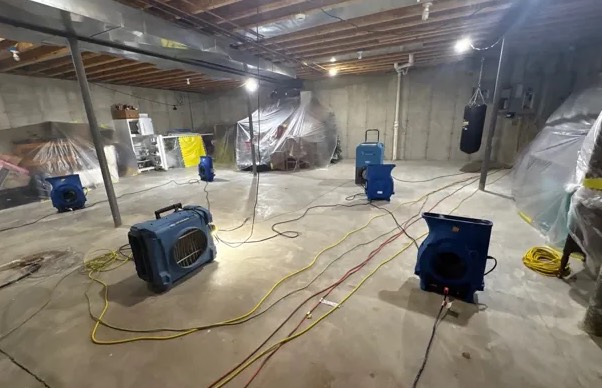
Local Basement Water Removal Services for Griswoldville
A wet basement gets worse every hour the water stays. In Griswoldville, water on a basement floor wicks up drywall, soaks carpet pad and seeps into the concrete, and cool below-grade air keeps it from drying on its own.
A single storm or burst pipe in Griswoldville can flood a basement. Local basement drying experts serve Griswoldville and nearby Dry Branch, Franklinton and Macon, with help available around the clock.
The Basement Water Removal Process in Griswoldville
Emergency Basement Flooding
A flooded basement threatens the furnace, water heater and anything stored on the floor. Fast pumping protects what can still be saved.
Basement Wall Drying
Opening the bottom of finished walls lets air reach the studs and sill plate, which otherwise stay wet behind the drywall.
Basement Floor Water Damage
Concrete floors are squeegeed, extracted and dried with airflow and dehumidifiers until moisture readings drop.
Basement Moisture Inspection
Moisture meters and thermal cameras check walls, floors and the slab for water that is not visible, including behind finished walls.
Sump Pump Failure Water Cleanup
Cleanup after a sump failure includes drying the area around the pit and noting whether the pump, switch or power was the cause.
When to Call for Basement Water Removal in Griswoldville
Gurgling Sounds From Drains
Gurgling floor drains or slow drains can be an early sign of a sewer line problem.
Wet or Damp Basement Walls
Basement walls that look dark, feel damp or show tide lines are taking on or holding water.
Water Stains on Walls or Ceiling
Stains on lower walls or the ceiling below a bathroom or kitchen point to a leak.
Sump Pump Failure or Overflow
A sump pit that is full, overflowing or has a pump that will not start means water is about to spread.
How Basement Water Removal Works in Griswoldville
Step 1: Source Control and Water Pump Out
The leak is shut off and standing water is pumped out, starting at the lowest point.
Step 2: Water Extraction
Extractors pull water from carpet, pad and concrete, and wet vacs clear corners and stairs.
Step 3: Dehumidification and Drying
Large dehumidifiers and air movers dry walls, framing and slab over several days.
Step 4: Inspection and Clearance for Repair
Final readings confirm the basement is dry and ready for drywall and flooring repairs.
Sources of Basement Water Problems
Clogged or Damaged Gutters
Clogged gutters and short downspouts dump roof water right next to the foundation.
High Water Table and Hydrostatic Pressure
A high water table presses groundwater against the slab and walls, forcing it inside.
Sump Pump Malfunction or Power Loss
A sump pump that fails mechanically or loses power during a storm lets groundwater rise.
Improper Landscape Grading
Soil that slopes toward the house directs rainwater straight to the basement walls.
Professional Basement Water Removal for All Properties
Residential Basement Water Removal
In homes, a wet basement often means damaged carpet, drywall and stored belongings, plus a furnace or water heater sitting in water. Water is pumped out and the space dried.
Commercial Basement Water Removal
In commercial buildings, basements often house mechanical rooms and storage. Water is removed so systems can be checked to determine whether they can be restarted safely.
The Risks of DIY Basement Water Removal
Checking appliance hoses and extending downspouts away from the house are good DIY steps before storm season. Once the basement floods, call (478) 779-1453 for help.
Understanding Basement Water Removal Pricing
The cost of basement water removal in Griswoldville depends on how deep the water is, what type of water it is and how much finished material has to come out.
Basement Square Footage
Larger basements need more extraction, more drying equipment and more days of drying.
Affected Materials
Finished walls, carpet and laminate take more removal work than bare concrete.
Water Depth and Volume
Deeper water takes more pumping time and usually means more materials got wet.
Does Insurance Cover Basement Water Removal?
Flooding from outside water usually needs separate flood insurance. Water from a broken pipe or appliance inside is more often covered.
Advantages of Local Basement Water Removal Experts
Industry Drying Standards
Water removal and drying follow industry water damage standards, with readings at every visit.
Focus on Drying Outcomes
Drying continues until readings are normal, not just until surfaces look dry.
Advanced Drying Equipment
Pumps, extractors and large dehumidifiers remove water much faster than household tools.
24/7 Basement Water Removal When You Need It
If water is near outlets, the furnace or the electrical panel, stay out of it. Call (478) 779-1453 for help in Griswoldville and wait for power to be made safe.
Call Now (478) 779-1453Communities Served for Basement Water Removal
Other places served are listed below, each with its own page.
Answers to Top Basement Water Removal Queries
How is contaminated water handled in a basement?
With protective gear, containment, removal of porous materials and disinfection of hard surfaces before drying.
Why is basement dehumidification important after pumping?
Walls and concrete keep releasing moisture for days. Dehumidifiers remove it so the basement does not stay damp.
What equipment is used for basement water extraction?
Submersible pumps, extractors, wet vacs, air movers, large dehumidifiers and moisture meters to confirm drying.
What is involved in basement leak cleanup?
Stopping the leak, extracting the water, drying the floor and walls and checking for hidden moisture under flooring.
How does a basement moisture inspection work?
Moisture meters and thermal cameras check walls, floors and the slab, including behind finished walls and under flooring.