Dublin, GA · Laurens County
Water Heater Burst Water Removal in Dublin, GAWater Heater Flood Water Removal & Burst Water Heater Damage Cleanup
Water Heater Burst Water Removal in Dublin handles wet drywall removal after burst, water damaged floor removal, and emergency burst heater cleanup.
Answered 24/7
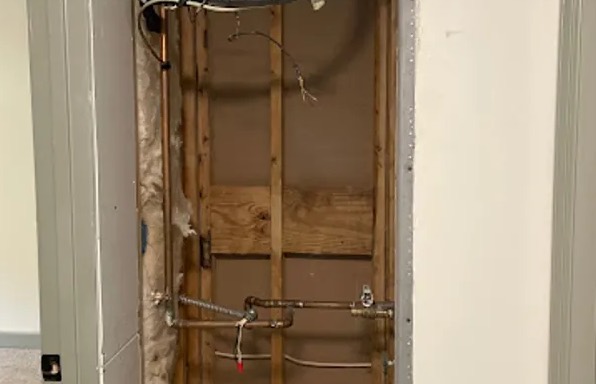
Water Heater Burst Water Removal Response in Dublin, Georgia
In Dublin, a burst water heater is a common plumbing emergency. The water damages building materials and creates slip hazards, so removal matters.
In Dublin and nearby Dudley, Dexter and Rentz, a burst water heater needs fast water removal. Local restoration pros extract the water, check for hidden moisture and dry homes and businesses to prevent long-term problems.
Water Damage Services After a Heater Burst in Dublin
Water Heater Flood Water Removal
When a heater floods a room, the pros in Dublin remove the bulk water first to stop the damage from spreading.
Burst Water Heater Damage Cleanup
Cleanup goes beyond drying. The pros remove debris, clean walls, and treat surfaces to prevent odors using industry-standard methods.
Wet Drywall Removal After Burst
If drywall is soaked with hot water, removal is frequently necessary. Precise cutting removes only damaged panels, preserving undamaged sections.
Burst Pipe Mold Prevention
Preventing mold is cheaper and safer than remediating it later. After water removal and drying, prevention strategies include controlling humidity and treating susceptible areas with EPA-registered solutions.
Hot Water Leak Drying Services
In Dublin, the pros set up controlled drying to pull moisture out of wood, concrete and insulation until readings are normal.
Symptoms of a Water Heater Failure in Dublin Homes
Water Heater Leaking Excessively
Water pooling near your water heater or a continuous leak indicates a serious problem. It requires immediate attention from the pros to prevent further damage.
Sudden Loss of Hot Water
Suddenly losing hot water can mean the water heater has failed inside. Check the base of the tank for water.
Musty Odors From the Area
A musty smell near the water heater can indicate hidden moisture and early mold growth. Mold prevention after water leak services should be considered immediately.
Wet Floors or Baseboards Nearby
Damp flooring or baseboards near the water heater mean water is spreading into the room.
How Water Heater Burst Water Removal Works in Dublin
Step 1: Water Heater Leak Containment
The first action is to contain the water spread. The experts use barriers and start water removal to limit damage to adjacent areas.
Step 2: Complete Water Extraction Process
Powerful extractors remove all standing and absorbed water before subfloors swell and drywall is ruined.
Step 3: Structural Drying and Monitoring
Drying equipment dries framing and subflooring, and pros check moisture levels daily until everything is dry.
Step 4: Damaged Material Removal and Prep
Drywall and insulation that cannot be saved are removed, which prepares the area for repairs.
Common Sources of Water Damage in Dublin Homes
High Incoming Water Pressure
Excessively high municipal water pressure entering the home strains all plumbing. The water heater tank is particularly vulnerable to this constant, elevated pressure.
Faulty or Failing Temperature Valve
A malfunctioning temperature and pressure relief valve cannot release excess pressure. This trapped pressure builds until it forces a rupture in the tank's weakest point.
Corrosion and Rust Over Time
The metal tank corrodes from the inside out due to constant water exposure and chemical reactions.
Manufacturing Defects or Flaws
Rare manufacturing flaws in the tank's steel or welds can hold for years, then fail without warning.
Residential and Commercial Water Heater Burst Water Removal in Dublin
Residential Water Heater Burst Water Removal
Residential water heater floods often require careful handling of finished basements or adjacent rooms. The process involves water heater burst water extraction, sanitization, and targeted drying to restore normal living conditions safely.
Commercial Water Heater Burst Water Removal
A burst heater in a commercial setting risks slip hazards and code violations. The pros secure the area, extract standing water, and implement drying plans to support repairs and code compliance checks.
Water Heater Burst Water Removal vs. DIY: When to Call Restoration Pros
You can use towels to soak up small, accessible puddles around the base of the heater to prevent slipping. Improve ventilation by opening windows if weather permits. Do not attempt to move the water heater or repair the tank yourself. For any significant water spread or moisture in walls, contact the experts for professional drying and damage assessment.
Factors Affecting Water Heater Burst Water Removal Cost in Dublin
The complexity of accessing the burst water heater and the type of flooring materials damaged will alter the final project scope.
Emergency Service Timing
A burst heater requiring 24/7 response, outside standard hours, may incur different service rates for the initial water extraction.
Affected Materials
Porous materials like drywall, carpet, or subflooring that absorb hot water require more intensive, and therefore costlier, extraction and drying.
Mold Prevention Measures
Applying antimicrobial treatments to prevent mold growth after a water heater leak adds a line item to the total restoration cost.
Does Insurance Cover Water Heater Burst Water Removal?
Check with your insurer about coverage for the water removal and drying. The pros provide records of the damage for your claim.
The Value of Professional Water Removal in Dublin
Hot Water Leak Specialization
Focus on the unique challenges of heated water spills, which can warp materials and drive moisture deeper than cold leaks.
Contained Demolition
When necessary, wet drywall removal or damaged floor removal is performed neatly to minimize disruption and prepare for repairs.
Documentation for Insurance
Detailed photos and moisture readings are provided, creating a clear record of the damage for your insurance claim process.
24/7 Water Heater Burst Water Removal Available in Dublin
Prevent structural harm from a burst pipe or heater. Initiate burst pipe water removal and drying services with a 24/7 call to the pros at (478) 779-1453.
Call Now (478) 779-1453Areas Served for Water Heater Burst Water Removal Near Dublin
Water heater burst water removal services address the urgent need to extract hot water and dry out rooms in Dublin and nearby areas like Dudley, Dexter and Rentz.
- Water Heater Burst Water Removal in Dudley
- Water Heater Burst Water Removal in Dexter
- Water Heater Burst Water Removal in Rentz
- Water Heater Burst Water Removal in Montrose
- Water Heater Burst Water Removal in Cadwell
- Water Heater Burst Water Removal in Chester
- Water Heater Burst Water Removal in Allentown
- Water Heater Burst Water Removal in Danville
- Emergency Damage Restoration in 31021
- Storm Damage Restoration in 31021
- Water Damage Restoration in 31021
- Water Extraction Service in 31021
- Water Leak Detection in 31021
- Water Removal Service in 31021
- Emergency Damage Restoration in 31027
- Storm Damage Restoration in 31027
Water Damage Restoration FAQs
What is the goal of water damage restoration after a burst?
The aim is a dry, clean, stable area with no secondary damage like mold or weakened structure.
Can a burst water heater cause mold growth?
Yes. Warm water and moisture can lead to mold, so extraction and drying matter.
What are the steps for emergency burst heater cleanup?
Steps include stopping the water source, extracting standing water, setting up drying equipment, monitoring moisture levels, and cleaning/disinfecting the area to prepare for repairs.
How does water damaged floor removal work after a leak?
Pros assess the flooring and subfloor. If materials are warped or saturated beyond salvage, they are carefully removed to allow the substructure to dry completely.
Is wet drywall removal always necessary after a burst?
Not always. The pros use moisture meters to assess drywall. If it's saturated and cannot be dried thoroughly, removal is needed to prevent mold inside walls.