Dublin, GA · Laurens County
Clean Water Extraction (Category 1) in Dublin, GAEmergency Water Mitigation & Wet Carpet Water Extraction
Clean Water Extraction (Category 1) in Dublin runs from standing water pump out and appliance leak water cleanup to wall cavity water extraction.
Answered 24/7
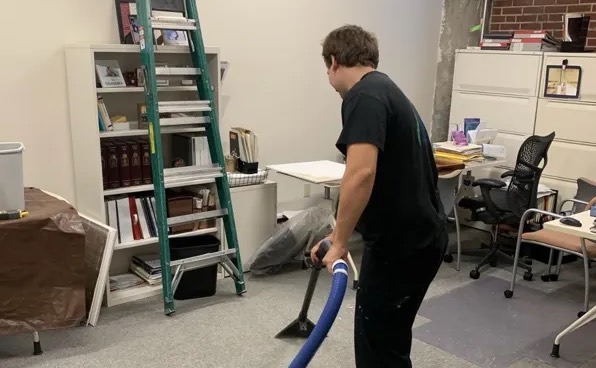
Professional Clean Water Extraction (Category 1) in Dublin, GA
Clean Water Extraction (Category 1) in Dublin ends with dry readings across the affected area. That is what lets floors, walls and cabinets be repaired or refinished without trapping moisture.
In Dublin, Dudley, Dexter and Rentz, clean water damage handled fast usually means carpet and drywall can be saved. The pros start extraction as soon as the source is off.
Clean Water Extraction (Category 1) Methods Used in Dublin
Emergency Water Mitigation
Mitigation is everything done to stop the damage from growing: shutting off the water, extracting it, moving belongings and starting drying.
Wet Carpet Water Extraction
Carpet pad is checked after extraction. Pad soaked through is often replaced, while the carpet above is floated and dried.
Standing Water Pump Out
Pumping removes deep water quickly and keeps it from wicking higher into walls and cabinets while extraction gets under way.
Hard Surface Floor Drying
Tile, sealed concrete and hardwood are squeegeed and extracted, then dried with air movers. Grout lines and seams are checked for water underneath.
Ceiling Leak Water Removal
Clean water dripping through a ceiling from a pipe or fixture above is drained, and wet drywall and insulation are removed where needed.
Warning Signs of Water Damage in Dublin
Buckling Laminate Flooring
Laminate that buckles, cups or lifts at the seams has water trapped underneath it.
Water Stains on Ceilings
A new stain on the ceiling usually means clean water from a pipe or fixture above.
Sudden Indoor Flooding
Water spreading across a floor suddenly means a supply line or appliance has failed and needs shutting off.
Damp Hardwood or Tile Floors
Hardwood or tile that feels damp, or grout that stays dark, has water soaking in or underneath.
How Clean Water Extraction (Category 1) Works in Dublin
Step 1: Leak Identification and Control
The leaking line, appliance or fixture is found and shut off so no more water enters.
Step 2: Water Removal Process
Water is removed quickly while it is still clean, which keeps more materials salvageable.
Step 3: Dehumidification
Dehumidifiers pull moisture from the air so walls, floors and cabinets can dry evenly.
Step 4: Post-Drying Documentation
Photos, readings and drying logs are provided for your records and insurer.
Typical Origins of Category 1 Water in Dublin
Appliance Malfunctions
Washers, dishwashers and refrigerators fail at hoses and fittings and leak onto the floor.
Roof Leaks From Rain
Rain entering through a roof leak is usually clean when it first reaches the ceiling and floor.
Overflowing Sinks or Tubs
Sinks and tubs left running overflow with clean water onto floors and into rooms below.
Water Heater Failure
Water heaters leak or burst as tanks corrode and fittings wear out.
Clean Water Extraction (Category 1) for Homes and Businesses in Dublin
Residential Clean Water Extraction (Category 1)
Families can usually stay home during drying, using unaffected rooms. The pros explain where equipment will go and how long it will run.
Commercial Clean Water Extraction (Category 1)
Restaurants and medical offices need clean water extracted quickly and floors dried so they meet the cleanliness rules for those spaces.
When to Hire Local Pros for Clean Water Extraction (Category 1) in Dublin
If clean water has been sitting for more than a day, it may no longer be clean. Call local restoration pros to check before deciding what can be dried.
Clean Water Extraction (Category 1) Cost Variables in Laurens County
The cost of clean water extraction (category 1) in Dublin depends on how much water there is, how many rooms it reached and how long drying takes.
Equipment Needs
The number of air movers, dehumidifiers and pumps needed, and for how long, drives much of the cost.
Drying Time Duration
Drying usually takes a few days, and each extra day adds equipment time to the total.
Affected Square Footage
More square feet of wet flooring and walls means more extraction and more drying equipment.
Does Insurance Cover Clean Water Extraction (Category 1)?
Coverage for clean water extraction (category 1) depends on the cause and your policy. The pros document the damage and the drying, and your insurer decides what is covered.
Advantages of Hiring Local Pros for Clean Water Extraction (Category 1) in Dublin
Industry Drying Standards
Drying follows industry water damage standards, with readings taken at every visit.
Moisture Detection
Meters and thermal cameras find clean water hidden under floors and inside walls.
Detailed Damage Documentation
Photos, readings and drying logs are kept to support your insurance claim.
Around-the-Clock Clean Water Extraction (Category 1) in Dublin
Clean water soaks into floors and walls fast and can turn dirty if left. Call (478) 779-1453 for clean water extraction (category 1) in Dublin at any hour.
Call Now (478) 779-1453Clean Water Extraction (Category 1) Near Dublin: Local Service Area
Nearby areas served for clean water extraction (category 1) include Dudley, Dexter and Rentz, with the same extraction and drying steps used in Dublin.
- Clean Water Extraction (Category 1) in Dudley
- Clean Water Extraction (Category 1) in Dexter
- Clean Water Extraction (Category 1) in Rentz
- Clean Water Extraction (Category 1) in Montrose
- Clean Water Extraction (Category 1) in Cadwell
- Clean Water Extraction (Category 1) in Chester
- Clean Water Extraction (Category 1) in Allentown
- Clean Water Extraction (Category 1) in Danville
- Emergency Damage Restoration in 31021
- Storm Damage Restoration in 31021
- Water Damage Restoration in 31021
- Water Extraction Service in 31021
- Water Leak Detection in 31021
- Water Removal Service in 31021
- Emergency Damage Restoration in 31027
- Storm Damage Restoration in 31027
Clean Water Extraction (Category 1) FAQs for Dublin Homeowners
What causes Category 1 water to become contaminated?
Time and contact. Water sitting for days, or running across dirty floors, picks up contaminants and can become Category 2.
Does a ceiling leak need special extraction methods?
Yes. The ceiling is drained through a small opening, wet insulation is removed and the cavity above is dried.
What happens after the water is pumped out?
Carpet and floors are extracted, walls and subfloors are checked with meters and drying equipment runs until readings are normal.
Are air movers and dehumidifiers always necessary?
For anything beyond a small surface spill, yes. The pros dry the water that soaked into carpet, walls and subfloors.
How is moisture detected after water extraction?
Moisture meters and thermal cameras check floors, walls and ceilings, comparing readings to dry, unaffected areas.