Danville, GA · Twiggs County
Clean Water Extraction (Category 1) in Danville, GAWet Carpet Water Extraction & Hard Surface Floor Drying
Clean Water Extraction (Category 1) in Danville runs from standing water pump out and appliance leak water cleanup to wall cavity water extraction.
Answered 24/7
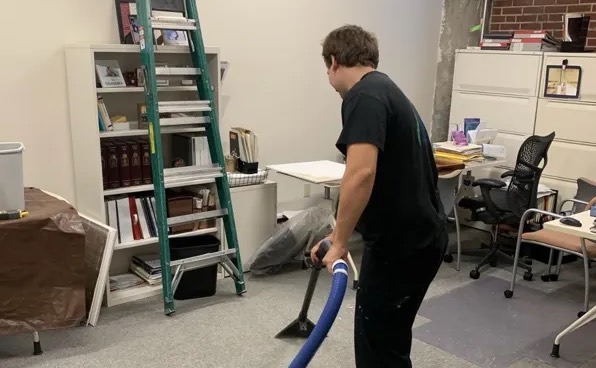
Clean Water Extraction (Category 1) for Danville Properties
Clean water from a pipe in the ceiling or floor above can soak a room below in Danville. The ceiling may bulge with water before it starts to drip.
In Danville, Allentown, Montrose and Jeffersonville, clean water damage handled fast usually means carpet and drywall can be saved. The pros start extraction as soon as the source is off.
Clean Water Extraction (Category 1) Methods Used in Danville
Wet Carpet Water Extraction
Carpet pad is checked after extraction. Pad soaked through is often replaced, while the carpet above is floated and dried.
Hard Surface Floor Drying
Hardwood is dried slowly with dehumidifiers and, where needed, drying mats that pull water from the boards without cracking them.
Clean Water Removal From Flooring
Floors are dried until readings match unaffected areas, so new flooring or refinishing does not trap moisture.
Emergency Water Mitigation
Emergency mitigation focuses on what is still at risk. Belongings are moved, furniture is set on blocks and the wettest areas are extracted first.
Wall Cavity Water Extraction
Moisture readings show how high water wicked into the wall, so only the wet part is opened.
When to Call for Clean Water Extraction (Category 1) in Your Danville Home
Damp or Soft Drywall
Drywall that feels soft or damp near the floor has wicked up water from a leak.
Damp Hardwood or Tile Floors
Hardwood or tile that feels damp, or grout that stays dark, has water soaking in or underneath.
Water Stains on Ceilings
A new stain on the ceiling usually means clean water from a pipe or fixture above.
Furniture in Wet Areas
Furniture sitting in wet areas can stain carpet and swell at the legs, and should be moved or blocked up.
How Clean Water Extraction (Category 1) Works in Danville
Step 1: Emergency Water Inspection
The source and type of water are confirmed, and the wet area is mapped with moisture meters.
Step 2: Standing Water Pump Out
Deep water is pumped out, and floors are extracted once the water is shallow enough.
Step 3: Targeted Moisture Removal
Carpet, hard floors and wall bases are extracted and dried with directed airflow.
Step 4: Drying Verification and Documentation
Daily readings track drying, and a final log confirms the area is back to normal.
What Causes Water Damage in Danville Homes
Fire Sprinkler Activation
A damaged or triggered fire sprinkler releases clean water across a room.
Hydrostatic Pressure in Slabs
Groundwater pressure under a slab can push clean water up through cracks in the floor.
Roof Leaks From Rain
Rain entering through a roof leak is usually clean when it first reaches the ceiling and floor.
Plumbing Fixture Leaks
Faucets, valves and fixtures develop slow leaks that wet cabinets and floors over time.
Residential & Commercial Clean Water Extraction (Category 1) in Danville
Residential Clean Water Extraction (Category 1)
In two-story homes, a clean water leak upstairs often reaches the ceiling below. Both levels are extracted and dried.
Commercial Clean Water Extraction (Category 1)
Warehouses and large spaces may need extra pumps and dehumidifiers for open floors, sized to the area that got wet.
When to Hire Local Pros for Clean Water Extraction (Category 1) in Danville
For a small clean water spill on tile, shutting off the source and mopping it up is fine. Call local restoration pros if water reached carpet, walls, cabinets or the floor below.
What Affects Clean Water Extraction (Category 1) Cost in Danville?
The pros check the wet area with meters before pricing clean water extraction (category 1) in Danville, then explain what can be dried and what may need replacing.
Affected Square Footage
More square feet of wet flooring and walls means more extraction and more drying equipment.
Drying Time Duration
Drying usually takes a few days, and each extra day adds equipment time to the total.
Water Category and Source
Clean water costs less to handle than gray or black water, since more materials can be dried in place.
Does Insurance Cover Clean Water Extraction (Category 1)?
Insurers often want to see that the water was dealt with quickly. Starting extraction and keeping records helps show that.
Reasons to Select Local Pros for Clean Water Extraction (Category 1) in Danville
Drying Plan
Drying follows a set plan based on readings, with equipment moved as each area dries.
Advanced Extraction Equipment
Pumps and extractors remove water far faster than mops, towels or a shop vac.
Source Analysis
The pros find the leak source and note it, so the right repair is made.
Emergency Clean Water Extraction (Category 1) Response for Danville
The faster clean water is removed, the more carpet and drywall can be saved. Call (478) 779-1453 for clean water extraction (category 1) in Danville.
Call Now (478) 779-1453Local Clean Water Extraction (Category 1) Areas Including Danville
Besides Danville, local restoration pros handle clean water extraction and drying in nearby Allentown, Montrose and Jeffersonville.
- Clean Water Extraction (Category 1) in Allentown
- Clean Water Extraction (Category 1) in Montrose
- Clean Water Extraction (Category 1) in Jeffersonville
- Clean Water Extraction (Category 1) in Dudley
- Clean Water Extraction (Category 1) in Irwinton
- Clean Water Extraction (Category 1) in Dry Branch
- Clean Water Extraction (Category 1) in Chester
- Clean Water Extraction (Category 1) in Cochran
- Emergency Damage Restoration in 31017
- Storm Damage Restoration in 31017
- Water Damage Restoration in 31017
- Water Extraction Service in 31017
- Water Leak Detection in 31017
- Water Removal Service in 31017
Clean Water Extraction (Category 1) Information and FAQs
Can wet carpets be saved after clean water extraction?
Often yes. Clean water extracted quickly means the carpet can usually be dried and kept, though the pad may be replaced.
What tools are used for home water extraction?
Submersible pumps, extractors, weighted carpet tools, air movers, dehumidifiers, moisture meters and thermal cameras.
How is moisture detected after water extraction?
Moisture meters and thermal cameras check floors, walls and ceilings, comparing readings to dry, unaffected areas.
Can I extract water myself while waiting for help?
You can shut off the water, mop hard floors and move belongings. Carpet pad and wall cavities need professional extraction.
What is clean water extraction (Category 1)?
Removing water from a sanitary source, like a supply line or water heater, and drying the affected materials before the water becomes contaminated.