Harrison, GA · Washington County
Water Damage Restoration in Harrison, GAFlood Cleanup & Water Removal
Water Damage Restoration in Harrison involves water extraction, structural drying and water damage repair after leaks and floods.
Answered 24/7
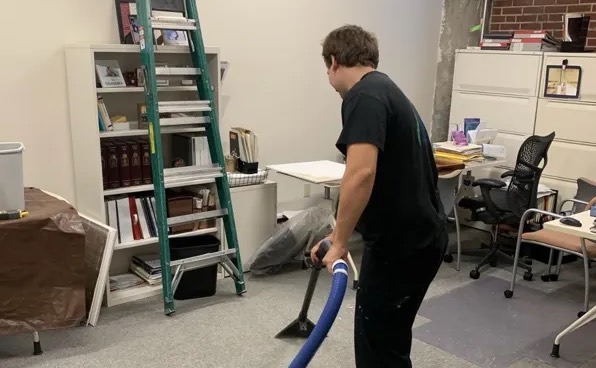
Professional Water Damage Restoration in Harrison, GA
In Harrison, acting fast limits disruption and keeps mold from starting. Local water damage pros clean up the water and dry wet carpet with professional equipment.
Around Harrison, including Riddleville, Tennille and Sandersville, restoration pros remove water from affected homes and businesses and dry the structure to keep mold from starting.
Water Damage Restoration Services in Harrison
Flood Cleanup
Flood water can carry contaminants. The pros in Harrison remove ruined materials, extract the water and apply antimicrobial treatment.
Water Removal
Removing water right away stops it from spreading across floors and wicking up walls. The pros in Harrison use pumps and extractors sized to the job.
Water Extraction
Powerful wands pull water out of carpet, pad and subfloor that pumps cannot reach. Getting more water out up front shortens drying time in Harrison homes.
Storm Damage Repair
After a storm, the pros tarp roof damage, extract water and dry wet walls and floors. The pros in Harrison handle the inside of the house.
Mold Prevention After Water Damage
Drying wet drywall, framing and carpet to normal readings limits the moisture mold needs in Harrison homes.
Indicators of Water Damage in Harrison Homes
Wet Spots on Carpets
Carpet or pad that stays damp means water has soaked deep into the floor, where it can rot the subfloor.
Visible Mold Patches
Any visible mold, especially after a leak, means moisture has stayed long enough for spores to grow.
Cracked or Warping Floorboards
Hardwood floors that warp, cup, or crack are reacting to moisture. The pros can assess and begin drying.
Wet or Damp Attic Insulation
Damp insulation in the attic loses effectiveness and can rot wood. Attic drying and removal may be necessary for proper repair.
How Water Damage Restoration Works in Harrison
Step 1: Water Removal Services
Powerful extractors remove the surface water and the water absorbed into carpet and floors.
Step 2: Comprehensive Dehumidification
Commercial dehumidifiers pull moisture from the air and building materials, which dries carpet and walls.
Step 3: Cleaning and Debris Removal
Damaged materials that cannot be saved are safely removed. Salvageable surfaces are cleaned and sanitized as part of the water damage cleanup.
Step 4: Reconstruction and Final Verification
Necessary rebuilding, from drywall to flooring, is completed. A final moisture check verifies the area is dry and restoration is finished.
Why Properties in Harrison Experience Water Damage
Bathroom Fixture Failures
Failed toilet seals, overflowing tubs and leaking shower pans soak carpet and subfloors over time.
Fire Suppression System Activation
Fire sprinklers that discharge during a fire or by accident put a lot of water into a building.
Natural Flooding From Heavy Rain
Heavy rain can overwhelm drainage and send surface water inside through doors and low spots.
Sewer Line Backups or Overflows
Blocked main sewer lines or septic failures can push sewage up into the home through drains.
Both Residential & Commercial Water Damage Restoration in Harrison, GA
Residential Water Damage Restoration
Attic water damage from roof leaks can ruin insulation and decking, affecting energy bills. The pros perform attic drying and may remove wet insulation.
Commercial Water Damage Restoration
Warehouses and plants need heavy-duty water removal over large areas after drainage failures or sprinkler discharges, to protect machinery and storage.
Professional Water Damage Restoration or DIY in Harrison?
After heavy rain, check attics, basements and crawlspaces for new moisture and clear gutters and downspouts. Dripping, wet insulation or puddles need water extraction soon.
Water Damage Restoration Cost in Harrison, GA
In Harrison, the materials involved affect the price. Drywall is simpler to dry or replace than hardwood or cabinets, which may need refinishing or replacement.
Affected Materials
Restoration costs vary if water damages drywall, hardwood floors, or custom cabinetry, as each material has different repair or replacement requirements.
Secondary Damage Remediation
Extra work like mold removal or storm repairs adds its own scope and cost.
Emergency Service Timing
Night and weekend extraction can carry a different rate than work during business hours.
Does Insurance Cover Water Damage Restoration?
Insurance coverage for water damage restoration depends on a policy's cause-of-loss terms. Sudden events like a burst pipe are often covered. Gradual leaks may not be.
Selecting Local Pros for Water Damage Restoration in Harrison
Detailed Damage Documentation
Pros systematically photograph the damage and record moisture readings, creating a clear visual and data record that can be useful for insurance purposes.
Comprehensive Water Extraction
Industrial pumps and extractors remove standing water in homes and commercial buildings.
Integrated Service Approach
One set of pros handle the job from the first water removal to the final repairs.
24/7 Water Damage Restoration Help in Harrison, GA
Storm damage and plumbing failures can happen at any time. Call (478) 779-1453 day or night for emergency water damage cleanup and repair from local pros.
Call Now (478) 779-1453Water Damage Restoration Service Area Including Harrison, GA
Each place listed below has its own page with local details.
- Water Damage Restoration in Riddleville
- Water Damage Restoration in Tennille
- Water Damage Restoration in Sandersville
- Water Damage Restoration in Oconee
- Water Damage Restoration in Deepstep
- Water Damage Restoration in Toomsboro
- Water Damage Restoration in Dublin
- Water Damage Restoration in Irwinton
- Water Damage Restoration in 31035
Water Damage Restoration FAQs
Can wet carpet be saved after water damage?
Wet carpet drying may be possible if extraction begins quickly and the water is clean. Contaminated water often requires disposal. The pros assess the carpet, pad, and subfloor to determine if salvage is feasible.
What is the difference between water removal and structural drying?
Water removal takes out standing water. Structural drying then removes moisture absorbed into drywall and wood with air movers and dehumidifiers.
Why can mold become a problem after water damage?
Mold can grow in damp materials within 24 to 48 hours. If moisture remains after drying, mold removal may be needed.
What happens during the flood cleanup process?
Flood cleanup starts with pumping out standing water. Then, mud and debris are removed. The area is cleaned and disinfected.
What should be done immediately after discovering water damage?
If safe, stop the water source if possible. Move valuable items away from water. Then, contact the pros for emergency water extraction.