Harrison, GA · Washington County
AC Unit Water Removal in Harrison, GAEmergency AC Water Removal & AC Leak Water Cleanup
Get AC unit water removal in Harrison: AC leak water extraction, wet AC unit component drying and air conditioner restoration services.
Answered 24/7
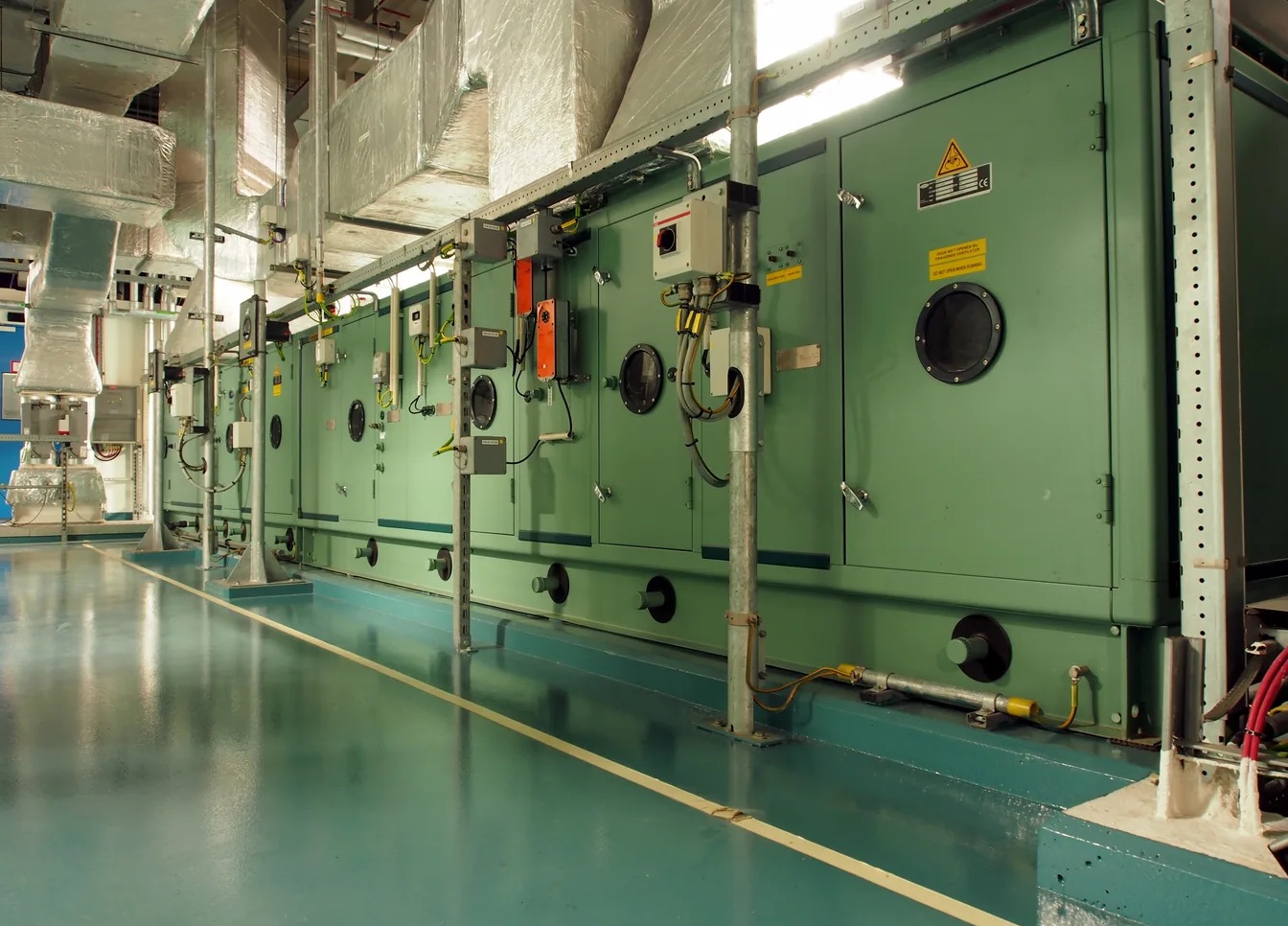
Trusted AC Unit Water Removal for Harrison Residents
A leaking AC unit in Harrison can wet drywall, carpet and electrical parts within hours. Water that sits for more than a day or two also raises the risk of microbial growth on wood and paper-faced drywall.
Property owners in Harrison can call (478) 779-1453 day or night when an air handler starts leaking. Service also covers Riddleville, Tennille and Sandersville, with the same extraction, drain clearing and drying process for attic, closet and garage units in houses, condos and apartments.
Complete AC Unit Water Removal and Repair in Harrison
Emergency AC Water Removal
A sudden AC flood can soak a ceiling or floor in hours. Emergency removal gets the water out before it spreads into framing and insulation.
AC Leak Water Cleanup
Cleanup starts at the drain pan and works outward, removing pooled water and wet debris so drying can begin.
AC Drain Pan Water Extraction
Both the primary pan and the secondary safety pan are emptied, and the pan is inspected for rust holes or cracks.
AC Condensate Drain Clearing
A clogged condensate line is the most common reason an AC unit leaks. The pros flush out algae and sludge so condensate drains away again.
Wet AC Unit Component Drying
Damp insulation inside the cabinet holds water for a long time. It is dried in place or replaced if it stays wet.
Indicators for Emergency AC Unit Water Removal
Reduced Cooling Efficiency
A clogged drain can trip a float switch or starve the coil of airflow, so the system runs longer and cools less.
Visible Mold Near AC
Dark spots on drywall or framing near the unit mean the area has stayed wet for days.
Condensation Line Dripping
A condensate line that drips inside instead of outside has a crack, loose fitting or clog.
Water on the Floor
A puddle around the air handler or furnace closet is the most direct sign of a leak.
How AC Unit Water Removal Works in Harrison
Step 1: Leak Assessment
The pros find the source of the leak, check how far the water spread and take moisture readings.
Step 2: Source Stop and Water Removal
The drain is cleared or the leaking part isolated, then standing water is extracted from every wet area.
Step 3: System Drying and Dehumidification
Drying equipment runs until walls, floors and insulation test dry, with readings taken at each visit.
Step 4: Verification and Restoration
Final readings confirm the materials are dry, then damaged drywall, trim or ceiling panels can be replaced.
What Leads to AC Unit Water Removal Needs in Harrison
Excess Outdoor Humidity
Very humid air makes the coil produce more water than a partly clogged drain can carry.
Disconnected Drain Line
A drain line knocked loose in the attic or closet empties condensate onto the ceiling or floor.
High Static Pressure in Ducts
Restricted ducts can pull water off the coil and blow it into the cabinet or ductwork.
Frozen Evaporator Coils Thawing
A coil that freezes from low airflow sheds a large amount of water at once when it thaws.
Expert AC Unit Water Removal for Any Property in Harrison
Residential AC Unit Water Removal
For homeowners, the main risk is water soaking into insulation and drywall where no one sees it. Moisture meters find that hidden water so it can be dried before it causes rot.
Commercial AC Unit Water Removal
For property managers, one leaking unit can affect several suites or the floor below. Each wet area is extracted, dried and documented for the owner and insurer.
Why DIY AC Water Removal Often Fails in Harrison
Pouring a cup of diluted vinegar into the drain line each season helps prevent algae clogs. Once water spreads past the unit into walls, ceilings or flooring, it is time to call local water damage pros for extraction and drying.
Factors Influencing AC Unit Water Removal Cost in Harrison
Pricing for AC unit water removal in Harrison is set after an inspection. The pros measure the wet area, check for hidden moisture and explain each item before starting.
Secondary Damage Presence
Wet ceilings, swollen baseboards or damp framing add removal and repair work to the job.
Leak Source and Severity
A slow drip near the closet costs less to fix than an attic overflow that soaked a ceiling and the room below.
Documentation Needs
Detailed photos and moisture logs for an insurance claim add some time to the job.
Does Insurance Cover AC Unit Water Removal?
Take photos before cleanup starts and keep receipts for any emergency work, such as extraction done at night. Both help when you file a claim for AC water damage with your insurer.
Benefits of Local Pros for AC Unit Water Removal in Harrison
Focus on Component Preservation
Wet blower motors and wiring are dried gently to lower the risk of corrosion and electrical faults.
24/7 Emergency Response
Help is available any hour, which matters when an attic unit starts leaking into a ceiling at night.
Industry Drying Standards
Drying follows industry water damage standards, with moisture readings at each visit.
Round-the-Clock Emergency AC Unit Water Removal in Harrison
Do not wait for a stained ceiling to start sagging under the weight of the water. Call (478) 779-1453 now for AC unit water removal in Harrison and get the drying started.
Call Now (478) 779-1453AC Unit Water Removal Service Area Including Harrison
The places below are also served, and each one has its own page.
- AC Unit Water Removal in Riddleville
- AC Unit Water Removal in Tennille
- AC Unit Water Removal in Sandersville
- AC Unit Water Removal in Oconee
- AC Unit Water Removal in Deepstep
- AC Unit Water Removal in Toomsboro
- AC Unit Water Removal in Dublin
- AC Unit Water Removal in Irwinton
- Emergency Damage Restoration in 31035
- Storm Damage Restoration in 31035
- Water Damage Restoration in 31035
- Water Extraction Service in 31035
- Water Leak Detection in 31035
- Water Removal Service in 31035
Your AC Unit Water Removal Questions Addressed
Why does the drain pan need to be emptied?
A full pan overflows into ceilings and floors. Emptying and inspecting it stops the spill and shows whether the pan is cracked.
What happens if I ignore a drain pan overflow?
The leak keeps wetting the same materials, which can lead to rot, ceiling damage and microbial growth.
What happens during AC water extraction?
Pumps and extractors remove water from the pan, floor and carpet, then moisture meters check walls and subfloor for hidden water.
Can a wet AC unit be saved after a leak?
Often yes. Components are dried gently and checked, but an HVAC contractor should inspect electrical parts before the unit runs again.
What equipment is used to dry AC leak damage?
Extractors, air movers, dehumidifiers and moisture meters, plus wet vacs or pumps for the drain line.