Harrison, GA · Washington County
Standing Water Extraction in Harrison, GABasement Standing Water Removal & Crawl Space Water Extraction
Standing Water Extraction in Harrison involves basement standing water removal, appliance leak water removal, and sump pump failure cleanup.
Answered 24/7
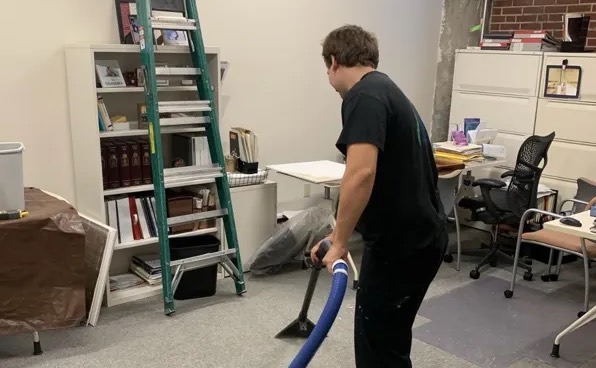
Local Standing Water Extraction Services in Harrison
When groundwater or appliance failures cause flooding in Harrison, the priority is water removal to salvage floors, drywall, and furnishings.
Businesses in Harrison, Riddleville, Tennille and Sandersville lose money while water sits on the floor. Local water damage pros bring high-capacity pumps and dryers to remove it after roof or plumbing leaks.
Detailed Standing Water Extraction Solutions for Harrison
Basement Standing Water Removal
Basement flooding threatens structural integrity and indoor air quality. Local water extraction experts in Harrison deploy industrial pumps for water removal, followed by strategic drying to protect your foundation and living spaces from long-term damage.
Crawl Space Water Extraction
Crawl space flooding is addressed with specialized access and extraction methods. The pros remove the water and implement drying strategies tailored to the confined, often poorly ventilated area to combat rot and musty odors.
Groundwater Flood Extraction
Groundwater coming in from the soil needs high-volume pumps. The pros remove it and then check that walls and floors are dry with meters.
Flooded Room Drying
After extraction, air movers and dehumidifiers pull water out of drywall, flooring and furniture so they do not warp.
Laundry Room Water Extraction
Laundry room water extraction pulls standing water from tile, vinyl and the subfloor edges, then moisture meters check the walls behind the washer and dryer.
When to Call for Standing Water Extraction in Harrison
Visible Water in Basement
Puddles or soaked floors in the basement point to groundwater seeping in or a plumbing failure.
Water Rising From Floor Drains
Water coming up through a floor drain means the drain is blocked or overloaded. It needs to be pumped out and the drain cleared.
Wet Drywall or Baseboards
Discolored or soft walls and trim show water has wicked up into the structure.
Standing Water After Flood
Water still sitting days after a flood needs extraction, drying and sanitizing.
How Standing Water Extraction Works in Harrison
Step 1: Emergency Water Assessment
The pros first evaluate the flooding source and extent, checking for safety hazards like electrical risks or structural compromise.
Step 2: Industrial Water Pump Out
Using submersible pumps and extractors, they perform the core standing water removal, clearing visible water from the property.
Step 3: Targeted Flooded Area Drying
High-capacity air movers and dehumidifiers are strategically placed to dry walls, floors, and hidden cavities using industry-standard methods.
Step 4: Post-Extraction Sanitization
Affected surfaces are treated with EPA-registered antimicrobial solutions as part of post-flood sanitization to inhibit mold and bacteria.
Frequent Sources of Water Damage
Foundation Cracks and Seepage
Hairline cracks in concrete foundations let groundwater seep into the basement, especially after heavy rain.
Appliance Malfunctions and Leaks
Faulty water heaters, washing machines, dishwashers and refrigerators can leak a lot of water before anyone notices.
HVAC Condensate Overflow
A clogged condensate drain makes the air handler overflow onto the floor.
Sewer or Sump Pump Backup
A clogged sewer line or failed sump pump lets water back up into basements.
Standing Water Extraction for All Property Types in Harrison
Residential Standing Water Extraction
A flood at home ruins carpets, furniture and drywall. The pros find the source, remove the water from the basement or crawl space and start drying.
Commercial Standing Water Extraction
Offices, stores and warehouses need water gone fast. Pros use truck-mounted pumps for large areas and document the damage for your business insurance claim.
Why DIY Water Removal Often Fails
You can mop hard floors to prevent slips and put towels around appliances to contain small leaks. Water soaked into drywall, insulation or subfloors needs pros with drying equipment.
Factors Affecting Standing Water Extraction Price
The final cost depends on the extraction method, the drying equipment needed and any structural repairs found along the way.
Area Size and Contamination
Larger flooded areas need more equipment. Water category from clean to contaminated affects the safety protocols and cleanup methods used.
Location Accessibility
Hard-to-reach areas like crawl spaces or basements can complicate equipment setup and extraction, potentially increasing the time and effort required.
Post-Extraction Services
Additional steps like sanitization or minor repairs identified during water removal will be factored into the overall restoration estimate.
Does Insurance Cover Standing Water Extraction?
Insurance for post-flood sanitization is usually part of a covered water damage claim if the initial incident is covered. The extent of coverage can vary.
Advantages of Professional Standing Water Extraction
Advanced Moisture Detection
Moisture meters and thermal cameras find water hidden behind walls and under floors after the visible water is gone.
24/7 Emergency Response
Help is available around the clock, so standing water can be removed before it soaks further into floors and walls.
Contamination Safety Protocols
Proper handling of contaminated water protects your health. Pros use appropriate PPE and disinfection steps for categories of water involved.
24/7 Standing Water Extraction When You Need It
Property owners should not let standing water sit. For 24/7 emergency water extraction service in Harrison, Riddleville, Tennille and Sandersville, dial (478) 779-1453. Quick intervention helps minimize structural damage and mold risk.
Call Now (478) 779-1453Where Standing Water Extraction is Provided
Other places served are listed below, each with its own page.
- Standing Water Extraction in Riddleville
- Standing Water Extraction in Tennille
- Standing Water Extraction in Sandersville
- Standing Water Extraction in Oconee
- Standing Water Extraction in Deepstep
- Standing Water Extraction in Toomsboro
- Standing Water Extraction in Dublin
- Standing Water Extraction in Irwinton
- Emergency Damage Restoration in 31035
- Storm Damage Restoration in 31035
- Water Damage Restoration in 31035
- Water Extraction Service in 31035
- Water Leak Detection in 31035
- Water Removal Service in 31035
Frequently Asked Standing Water Extraction Questions
What is involved in emergency water pump out?
Truck-mounted or portable pumps remove large amounts of standing water quickly, which stops it from spreading.
What happens after sump pump failure cleanup?
After removing the water from a sump pump failure, pros thoroughly dry the area, check for electrical safety, and may advise on sump pump maintenance or replacement options.
What is the goal of water damage restoration?
The goal of water damage restoration is to return your property to a pre-loss condition through proper extraction, drying, cleaning, and if needed, minor repairs of affected materials.
How do the pros find hidden moisture after extraction?
Professionals use non-invasive moisture meters and thermal imaging cameras to detect elevated moisture levels hidden behind walls, under flooring, or in insulation after water removal.
What are the dangers of untreated standing water?
Untreated standing water can weaken structures, ruin finishes, create slip hazards, and become a breeding ground for mold, bacteria, and insects within a short time.