Greensboro, GA · Greene County
Water Damage Assessment in Greensboro, GAWater Leak Source Detection & Restoration Scope
Water Damage Assessment in Greensboro involves water leak source detection, moisture mapping, and structural damage inspection.
Answered 24/7
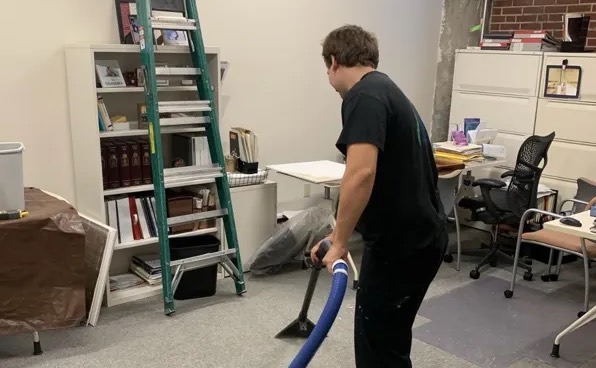
Detailed Water Damage Assessment in Greensboro
In Greensboro, water damage assessment helps prioritize actions to mitigate further harm and restore property functionality quickly. Local water removal experts focus on accurate detection and classification to streamline the entire recovery process effectively.
In Greensboro, an inspection finds where water got in and how far it spread. The experts check for hidden water and mold risk in homes and businesses, also around Eatonton.
Water Damage Assessment Methods Used in Greensboro
Water Leak Source Detection
Water travels far from its entry point. The experts map the moisture path through materials to locate hidden saturation in ceilings and walls.
Restoration Scope
The written scope lists the work needed to return the property to its condition before the loss, which helps when talking with your insurer.
Structural Damage Inspection
The inspection checks floors, ceilings and framing for sagging or buckling, which matters for safety after a water event.
Drying Equipment Plan Development
The assessment translates into equipment selection. The experts determine the number of air movers, dehumidifier capacity, and need for supplemental tools.
Mold Growth Risk Assessment
Mold can begin growing within 24-48 hours. A key part of Water Damage Assessment is evaluating this risk. The experts look for visible mold and assess conditions.
Warning Signs You Need Water Damage Assessment in Greensboro
Stained or Sagging Insulation
Discolored, damp, or drooping insulation in an attic or crawlspace is a red flag for ongoing water infiltration.
Peeling Paint or Wallpaper
Blisters or peeling finishes on walls often mean trapped moisture is compromising the adhesive and drywall behind the surface.
Warped or Buckling Flooring
Hardwood floors that cup or laminate that buckles point to moisture underneath and possible structural damage.
Water Pooling in Unusual Areas
Standing water in a basement, crawl space or around appliances means water is getting in and the area needs inspection.
How Water Damage Assessment Works in Greensboro
Step 1: Property-Wide Water Leak Assessment
The process starts with a systematic search for all active and past leaks. The experts examine plumbing, appliances, and the building envelope for failure points.
Step 2: Hidden Water Damage Detection Phase
Using non-invasive tools, the specialists probe behind walls and under floors. This critical phase finds moisture that isn't visible during a standard walkthrough.
Step 3: Evaluation of Salvageable Materials and Belongings
Every affected room undergoes a content and belongings evaluation. The experts separate items for cleaning, items for disposal, and document everything for the homeowner's insurance claim.
Step 4: Drying Strategy and Equipment Planning
Based on the moisture map, the experts design a targeted drying equipment plan. This specifies the number and placement of air movers, dehumidifiers, and monitoring sensors needed.
Common Causes of Water Damage in Greensboro
Severe Weather and Flooding
Heavy rain and flash floods can overwhelm drainage and push water into a building quickly.
HVAC System Condensation Issues
Clogged drain lines or malfunctioning condensate pumps in air conditioners can cause water to back up and damage ceilings and walls.
Sewer Line Backups and Overflows
Blockages in the main sewer line can force contaminated water back through drains, creating a severe Category 3 water hazard.
Human Error and Accidental Overflows
Overflowing bathtubs, sinks, or toilets are common household incidents that can quickly cause significant water damage if not addressed.
Greensboro Water Damage Assessment for Houses, Apartments, and Offices
Residential Water Damage Assessment
In condos and houses, the assessment checks damp areas like crawl spaces for mold risk, which shapes the drying plan.
Commercial Water Damage Assessment
For restaurants and hotels, the experts check kitchens, laundry areas and guest rooms so health concerns are part of the cleanup plan.
Why DIY Water Damage Inspection Falls Short in Greensboro
You can move small, portable belongings out of standing water and place aluminum foil under furniture legs to prevent carpet staining. Do not attempt to operate electronics or appliances in wet areas. For a proper content and belongings evaluation and to assess electrical hazards, contact the specialists.
Understanding Water Damage Assessment Pricing in Greensboro
Pricing for flood damage assessment in Greensboro considers the category and class determination of the water and the development of a drying equipment plan.
Drying Plan Complexity
Developing a detailed drying equipment plan for a large-scale flood damage assessment influences the initial evaluation phase.
Mold Inspection Necessity
A concurrent mold growth risk assessment after water damage adds another layer of analysis to the overall service.
Extent of Water Intrusion
The size of the leak and the number of rooms affected set how long the inspection takes.
Does Insurance Cover Water Damage Assessment?
Insurance coverage for water damage assessment in Greensboro depends entirely on your policy's cause-of-loss provisions. The experts document all damage with photos and moisture readings for your claim submission.
Advantages of Hiring Water Removal Experts for Water Damage Assessment in Greensboro
Belongings Assessment
Personal contents and belongings are evaluated for water damage as part of the overall property assessment process.
Mold Risk Identification
The assessment includes evaluating conditions for mold growth after water damage to inform necessary next steps.
Comprehensive Damage Report
You receive a thorough water damage report detailing source detection, structural inspection, and content evaluation findings.
24/7 Emergency Water Damage Assessment in Greensboro
For a water damage assessment day or night, call the pros at (478) 779-1453. Early records help with drying and your claim in Greensboro.
Call Now (478) 779-1453Greensboro and Region Water Damage Assessment Availability
The places below are also served, and each one has its own page.
- Water Damage Assessment in Eatonton
- Water Damage Assessment in Milledgeville
- Water Damage Assessment in Monticello
- Water Damage Assessment in Haddock
- Water Damage Assessment in Hillsboro
- Water Damage Assessment in Gray
- Water Damage Assessment in Sandersville
- Water Damage Assessment in Gordon
- Emergency Damage Restoration in 30642
- Storm Damage Restoration in 30642
- Water Damage Restoration in 30642
- Water Extraction Service in 30642
- Water Leak Detection in 30642
- Water Removal Service in 30642
Your Water Damage Assessment Questions Addressed
Is mold inspection after water damage always necessary?
While not always immediately visible, assessing mold risk is a prudent part of the process, as mold can begin growing within 24-48 hours in damp conditions.
Can a water leak assessment find the source of a hidden leak?
Yes, using specialized leak detection services, pros can often pinpoint the origin of hidden leaks behind fixtures, within plumbing, or under slabs.
What is a drying equipment plan development?
Based on moisture mapping, pros outline the specific types, number, and placement of air movers, dehumidifiers, and other equipment needed for effective drying.
How does a home water damage evaluation help with insurance?
The evaluation provides the documented evidence, photos, moisture data, and a detailed report, that you submit to your insurer to support your claim.
Why is moisture mapping important after a leak?
It records every affected area on a map, which guides drying and supports an insurance claim.