Greensboro, GA · Greene County
Ceiling Water Extraction in Greensboro, GARoof Leak Water Removal & Ceiling Leak Water Cleanup
Get ceiling water extraction in Greensboro for ceiling water damage repair, ceiling mold prevention services and ceiling cavity drying services.
Answered 24/7
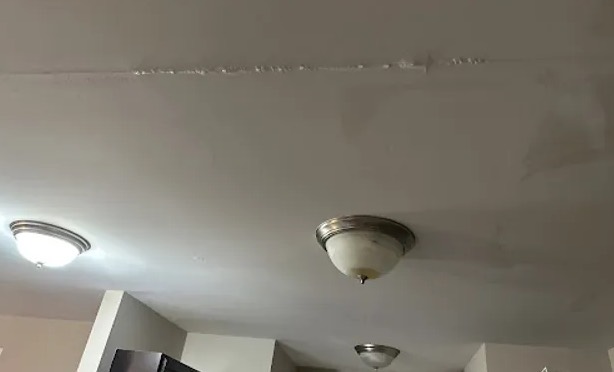
Professional Ceiling Water Extraction in Greensboro, GA
A drip from the ceiling in Greensboro usually means far more water above it. Drywall spreads water sideways before it lets any through, so the wet area is often much larger than the drip.
Homeowners in Greensboro can call (478) 779-1453 day or night when water starts coming through a ceiling. Service also covers Eatonton, with the same extraction and drying steps.
Ceiling Water Extraction and Restoration in Greensboro
Roof Leak Water Removal
The roof entry point is marked and photographed so the roofer can find it after the storm.
Ceiling Leak Water Cleanup
Fallen drywall and soaked insulation are bagged and removed, and the floor below is extracted and dried.
Wet Ceiling Drywall Removal
Wet drywall left in place keeps the joists damp and can still fall, so removing it is often the safer choice.
Ceiling Mold Prevention Services
Drying the cavity quickly is the main way to limit microbial growth above a ceiling. Joists that stayed wet can be treated once dry.
Ceiling Moisture Inspection
An inspection shows how far water spread across the ceiling, which decides what is drained, dried or removed.
Symptoms That Demand Ceiling Water Extraction in Greensboro
Increased Humidity in the Home
A house that feels more humid after a leak may have wet insulation or drywall in the ceiling.
Musty Odors in the Room
A musty smell in a room often comes from wet insulation or framing above the ceiling.
Dark Water Stains or Discoloration
Dark stains or rings on the ceiling show where water has soaked into the drywall from above.
Crumbling or Soft Drywall
Ceiling drywall that crumbles or feels soft has lost its strength and needs to be removed.
How Ceiling Water Extraction Works in Greensboro
Step 1: Source Stop and Initial Inspection
The leak is shut off or tarped, and meters map how far the water spread.
Step 2: Water Removal
Water is drained from the ceiling, and wet insulation above it is pulled out and bagged.
Step 3: Targeted Wet Ceiling Drying
Airflow is aimed at the wettest joists and drywall edges until they reach normal readings.
Step 4: Post-Drying Assessment for Repair
The dry ceiling is checked, and the drywall and texture repair is planned.
Why Ceiling Water Extraction is Needed in Greensboro
Window or Skylight Seal Failure
Worn seals around skylights and windows let rain into the ceiling during storms.
Overflowing or Leaking Appliances
Washers, dishwashers and water heaters on upper floors can leak into the ceiling below.
Roof Leaks From Storm Damage
Storm damage to shingles and flashing lets rain into the attic and onto the ceiling below.
Plumbing Leaks in Upstairs Lines
Leaking supply and drain lines on the floor above soak through to the ceiling beneath.
Residential and Commercial Ceiling Water Extraction in Greensboro
Residential Ceiling Water Extraction
Homeowners with textured or popcorn ceilings often want the repair to blend in. Texture is reapplied after drying, and the pros explain how close the match will be.
Commercial Ceiling Water Extraction
Apartment buildings may have ceiling leaks that pass through several units. Each ceiling is drained, dried and documented separately.
The Risks of DIY Ceiling Water Extraction in Greensboro
If water is dripping from a light fixture, turn off that circuit at the panel and do not use the light. Then call (478) 779-1453 for help.
Understanding Ceiling Water Extraction Expenses in Greensboro
High or vaulted ceilings in Greensboro cost more to work on because they need extra equipment to reach safely.
Required Drying Time
Ceiling cavities that need several days of drying add equipment time to the total.
Mold Prevention Measures
Antimicrobial treatment of joists and drywall that stayed wet is an added step.
Emergency Service Timing
Night, weekend and storm calls can cost more than a scheduled weekday visit.
Does Insurance Cover Ceiling Water Extraction?
Photograph the ceiling, the floor below and damaged belongings before cleanup, and keep receipts for emergency draining, drying and any roof tarping.
Reasons to Hire Local Pros for Ceiling Water Extraction in Greensboro
Mold Inhibitor Application
Joists and drywall that stayed wet can be treated with an antimicrobial once they are dry.
Careful Drywall Removal
Only drywall that is soft, sagging or soaked is cut out, which keeps repairs smaller.
Ceiling Leak Cleanup
Fallen drywall, wet insulation and debris are removed from above and below the ceiling.
24/7 Emergency Ceiling Water Extraction in Greensboro
The sooner water is drained from a ceiling, the less drywall must be replaced. Call (478) 779-1453 for ceiling water extraction in Greensboro.
Call Now (478) 779-1453Ceiling Water Extraction in Greensboro and Other Areas Served
Each place listed below has its own page with local details.
- Ceiling Water Extraction in Eatonton
- Ceiling Water Extraction in Milledgeville
- Ceiling Water Extraction in Monticello
- Ceiling Water Extraction in Haddock
- Ceiling Water Extraction in Hillsboro
- Ceiling Water Extraction in Gray
- Ceiling Water Extraction in Sandersville
- Ceiling Water Extraction in Gordon
- Emergency Damage Restoration in 30642
- Storm Damage Restoration in 30642
- Water Damage Restoration in 30642
- Water Extraction Service in 30642
- Water Leak Detection in 30642
- Water Removal Service in 30642
Your Ceiling Water Extraction Questions Resolved
What equipment is used for water extraction from a ceiling?
Buckets and wet vacs for draining, extractors for the floor, air movers, dehumidifiers, meters and thermal cameras.
What are ceiling cavity drying services?
Drying the joists, insulation and back of the drywall above the ceiling with air movers and dehumidifiers.
How do professionals handle roof leak water removal?
Water is drained from the ceiling, a tarp can cover the roof damage, and the attic and ceiling cavity are dried.
How does ceiling mold prevention work after water extraction?
Fast drying is the main step. Joists and drywall that stayed wet can be treated with an antimicrobial once dry.
What is involved in professional ceiling water extraction?
Clearing the room, draining trapped water through a controlled opening, extracting the floor below and drying the cavity above the ceiling.