Milner, GA · Lamar County
Temperature-Controlled Drying in Milner, GAMoisture Mapping & Air Mover Placement For Drying
For Temperature-Controlled Drying in Milner, local drying equipment pros handle thermal drying for water damage, humidity control for restoration, and drying equipment deployment to prevent mold.
Answered 24/7
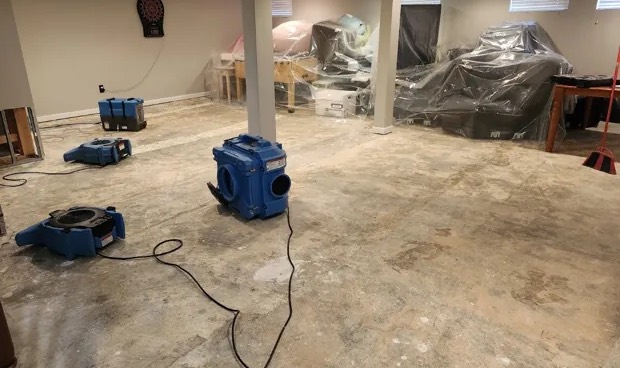
Targeted Temperature-Controlled Drying for Properties in Milner
In Milner, water trapped in subfloors, wall cavities or behind cabinets dries slowly because the air there does not move.
In Milner and nearby Orchard Hill, Barnesville and Zebulon, local pros take baseline moisture readings, then run air movers and dehumidifiers and log moisture levels as they drop.
Advanced Temperature-Controlled Drying Techniques in Milner
Moisture Mapping
Local drying equipment pros take regular moisture readings throughout the project. This monitoring verifies equipment performance and guides strategy adjustments.
Air Mover Placement for Drying
The tactical setup of air-moving equipment establishes cross-flow or focus drying patterns. The pros adjust the strategy daily based on monitoring data, repositioning units.
Rapid Structural Drying Services
Rapid drying protocols focus on core materials providing a building's strength. The pros implement these methods for wood, concrete, and steel.
Drying Equipment Deployment
The pros in Milner position equipment to create the controlled environment. They set correct settings and may build containment barriers, turning the drying plan into action.
Humidity Control for Restoration
The pros keep humidity low in properties in Milner, so water evaporates from materials instead of soaking back in.
When to Call for Temperature-Controlled Drying in Milner, GA
Cracking of Plaster or Joints
Plaster or drywall joint tape develops new cracks or fissures. These cracks occur as wet materials swell and then contract during drying.
Cold, Damp Feeling in a Room
A room feels noticeably colder and damper than the rest of the house. This sensation is often due to evaporative cooling from wet materials.
Moisture Meter Shows High Readings
A moisture meter reading high inside walls or floors means drying is not finished.
Condensation on Windows or Surfaces
Excess humidity causes water droplets to form on cold surfaces. This condensation confirms the indoor air has too much moisture.
How Temperature-Controlled Drying Works in Milner
Step 1: Assessment and Moisture Detection
The pros perform a thorough assessment using thermal imaging and moisture meters. This identifies the full extent of damage, guiding the drying plan.
Step 2: Containment and Airflow Strategy
Plastic barriers close off the wet area so humidity can be controlled, and air movers are placed to move air across wet materials.
Step 3: Thermal Drying System Activation
Specialized thermal drying equipment is activated to gently raise the air temperature in the space.
Step 4: Verification and Structural Drying Completion
Readings are compared with dry areas of the building to confirm drying is complete.
What Leads to Needing Temperature-Controlled Drying in Milner
Poor Ventilation After a Flood
Closing up a wet room traps humid air, which slows drying and lets moisture soak further into materials.
Sprinkler System Activation
A fire sprinkler discharges, releasing a large volume of water quickly. This event saturates entire areas and requires precise air mover placement and strategy.
Appliance Malfunction or Overflow
A failed washing machine hose, water heater or dishwasher can release many gallons onto the floor.
HVAC System Condensation Issues
A clogged condensate drain line causes an overflow inside the air handler. This water can soak insulation and ductwork, creating a hidden moisture issue.
Residential & Commercial Temperature-Controlled Drying in Milner
Residential Temperature-Controlled Drying
At home, the pros dry wall cavities, subfloors and belongings with air movers and dehumidifiers, and keep drying logs for your insurance review.
Commercial Temperature-Controlled Drying
For businesses, rapid drying minimizes downtime and protects inventory, equipment, and building integrity. Large-scale drying systems are implemented to address moisture in offices, retail spaces, and warehouses.
Choosing Between DIY and Drying Equipment Pros for Temperature-Controlled Drying in Milner
Moisture from a leak may seem surface-dry, but it often remains deep within materials. You can use a moisture meter from a hardware store to check for obvious dampness in drywall or wood. Interpreting these readings and executing the rapid drying needed to prevent mold requires the expertise and commercial-grade equipment of the specialists in Milner.
What Affects Temperature-Controlled Drying Cost in Milner
In Milner, cost depends on the size of the wet area and how aggressive the drying must be.
Documentation Requirements
Detailed drying logs and moisture reports for insurance take extra time to prepare.
Extent of Water Damage
The larger the area that needs drying, the more equipment and labor the job takes.
Structural Material Types
Porous materials like concrete or dense wood require more aggressive drying strategies and extended monitoring, influencing the project timeline and cost.
Does Insurance Cover Temperature-Controlled Drying?
Coverage is not automatic and depends on your policy. Local pros provide humidity readings and equipment logs for your claim file. Your insurer decides what is covered.
Advantages of Hiring Drying Equipment Pros in Milner for Temperature-Controlled Drying
IICRC-Standard Drying Methods
Drying follows industry guidelines and is checked with meters, which keeps framing and floors from staying wet.
24/7 Emergency Response
Fast response is critical to limit secondary damage, and the pros are available around the clock to begin the drying process immediately.
Comprehensive Drying Logs
Detailed, chronological logs of moisture readings and equipment settings provide a transparent record of the entire temperature-controlled drying process.
Round-the-Clock Emergency Temperature-Controlled Drying in Milner
Wet walls and floors keep getting worse until they are dried. Call the pros at (478) 779-1453 to set up drying equipment without delay.
Call Now (478) 779-1453Local Temperature-Controlled Drying Coverage for Milner, Orchard Hill, Barnesville and Zebulon
The pros provide temperature-controlled drying for Milner and adjacent areas such as Orchard Hill, Barnesville and Zebulon.
- Temperature-Controlled Drying in Orchard Hill
- Temperature-Controlled Drying in Barnesville
- Temperature-Controlled Drying in Zebulon
- Temperature-Controlled Drying in Griffin
- Temperature-Controlled Drying in Williamson
- Temperature-Controlled Drying in Jackson
- Temperature-Controlled Drying in Forsyth
- Temperature-Controlled Drying in Yatesville
- Emergency Damage Restoration in 30257
- Storm Damage Restoration in 30257
- Water Damage Restoration in 30257
- Water Extraction Service in 30257
- Water Leak Detection in 30257
- Water Removal Service in 30257
Temperature-Controlled Drying Information and FAQs
What happens if hidden moisture is not found during mapping?
Undetected moisture can lead to ongoing deterioration, odor issues, and mold growth inside walls or under floors, underscoring the critical need for thorough initial assessment.
What does drying equipment deployment involve?
Pros assess the loss, calculate how much equipment is needed and place air movers, dehumidifiers and sometimes heaters.
How long does the temperature-controlled drying process take?
It depends on the damage, the materials and the conditions. Pros monitor readings and stop when moisture goals are met.
What is the difference between air movers and dehumidifiers?
Air movers evaporate moisture from surfaces into the air, and dehumidifiers pull it back out of the air.
What materials benefit most from controlled drying systems?
Porous structural materials like drywall, wood framing, and concrete, as well as contents like documents and furniture, benefit greatly from controlled, gradual drying to prevent ruin.