Jackson, GA · Butts County
Temperature-Controlled Drying in Jackson, GAClimate-Controlled Drying Systems & Rapid Structural Drying Services
In Jackson, Temperature-Controlled Drying from local moisture control experts includes rapid structural drying services, drying equipment deployment, and water damage drying logs for documented recovery.
Answered 24/7
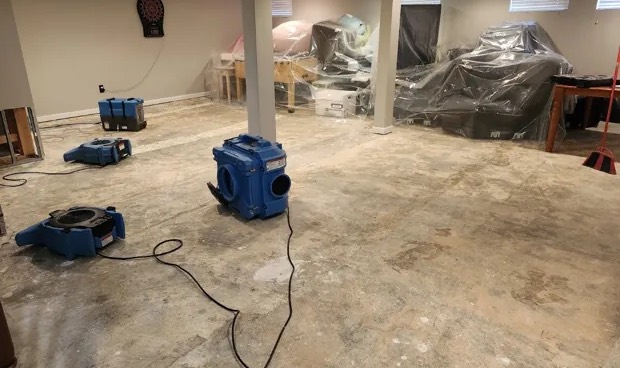
Targeted Temperature-Controlled Drying for Properties in Jackson
In Jackson, materials dry at different rates. Local pros map moisture content so each material gets the drying it needs.
In Jackson and nearby Orchard Hill, Juliette and Monticello, fast structural drying stops mold before it starts. Local pros map moisture, then use LGR dehumidifiers and planned air mover placement until readings are normal.
Advanced Temperature-Controlled Drying Techniques in Jackson
Climate-Controlled Drying Systems
For complex jobs, the experts use industrial equipment to keep humid air from re-wetting materials, so walls dry all the way through.
Rapid Structural Drying Services
Rapid drying protocols focus on core materials providing a building's strength. The pros implement these methods for wood, concrete, and steel.
Air Mover Placement for Drying
The experts angle and space air movers in each room in Jackson so air flows evenly across every wet surface.
Moisture Mapping
Systematic testing identifies moisture content percentages in all building materials. The experts compare readings to known dry standards.
Water Damage Drying Logs
The experts compile drying logs with moisture maps, photos, and readings. This report documents the system's performance and the materials' response, demonstrating a professional approach.
Indicators for Temperature-Controlled Drying in Jackson Properties
High Humidity Readings Inside
A hygrometer showing unusually high indoor humidity after water damage means the building is still wet.
Damp Odors Persisting After Water
A musty smell lingers even after visible water is gone, indicating hidden moisture. That odor often signals mold or trapped dampness.
Cracking of Plaster or Joints
Plaster or drywall joint tape develops new cracks or fissures. These cracks occur as wet materials swell and then contract during drying.
Cold, Damp Feeling in a Room
A room feels noticeably colder and damper than the rest of the house. This sensation is often due to evaporative cooling from wet materials.
How Temperature-Controlled Drying Works in Jackson
Step 1: Detailed Moisture Mapping Inspection
The experts use advanced sensors to map all affected areas, including hidden cavities.
Step 2: Strategic Air Mover Deployment
Based on the map, the pros position high-velocity air movers to create optimal airflow across wet surfaces.
Step 3: Climate-Controlled Drying Implementation
Industrial dehumidifiers are deployed to precisely control temperature and humidity in the contained space.
Step 4: Continuous Moisture Monitoring and Logs
Pros take regular moisture readings to track progress, adjusting equipment as needed. Detailed drying logs document the entire process for your records.
Sources of Water Intrusion Needing Moisture Removal in Jackson
Appliance Malfunction or Overflow
A failed washing machine hose, water heater or dishwasher can release many gallons onto the floor.
Roof Leak During Heavy Rain
Wind-driven rain through a damaged roof or flashing can run down inside wall cavities, where it needs targeted drying.
HVAC System Condensation Issues
A clogged condensate drain line causes an overflow inside the air handler. This water can soak insulation and ductwork, creating a hidden moisture issue.
Storm-Driven Water Intrusion
Heavy rain overflows gutters or gets in around windows and soaks framing and insulation.
Temperature-Controlled Drying for Homes and Businesses in Jackson
Residential Temperature-Controlled Drying
In condos and apartments, containment barriers and negative air machines keep moisture from moving into neighboring units while drying runs.
Commercial Temperature-Controlled Drying
Restaurants and food service businesses need rapid, sanitary drying to comply with health regulations after a water event. The pros use specialized equipment and antimicrobial treatments during the drying process.
When to Hire Moisture Control Experts for Temperature-Controlled Drying in Jackson
After the water is removed, wipe hard surfaces like tile or sealed wood with a disinfectant, and shut off the water source if it is still leaking.
Investing in Professional Temperature-Controlled Drying in Jackson
In Jackson, the price depends on the square footage, how long drying runs and which drying systems are used.
Documentation Requirements
Detailed drying logs and moisture reports for insurance take extra time to prepare.
Structural Material Types
Porous materials like concrete or dense wood require more aggressive drying strategies and extended monitoring, influencing the project timeline and cost.
Moisture Mapping Complexity
Checking moisture in layered floors or hidden cavities takes more time and equipment.
Does Insurance Cover Temperature-Controlled Drying?
Humidity control for restoration following a water incident might be considered under the drying portion of a claim. The pros in Jackson provide precise documentation of the controlled drying systems used and the results achieved.
Benefits of Local Experts for Temperature-Controlled Drying in Jackson
Targeted Thermal Drying
Applying directed heat energy safely accelerates the drying of dense materials, reducing the overall timeline for the restoration project.
IICRC-Standard Drying Methods
Drying follows industry guidelines and is checked with meters, which keeps framing and floors from staying wet.
Ongoing Moisture Monitoring
Regular checks with moisture meters verify that drying goals are met, helping ensure no residual dampness remains within walls or floors.
Emergency Temperature-Controlled Drying Response for Jackson, GA
Water damage gets worse quickly as moisture spreads into materials. Call (478) 779-1453 24 hours a day to start drying in Jackson.
Call Now (478) 779-1453Temperature-Controlled Drying Near Jackson: Communities Served
A detailed approach to moisture control, including humidity regulation and systematic drying equipment deployment, benefits homes throughout Jackson. The process also serves properties in the broader Orchard Hill, Juliette and Monticello region.
- Temperature-Controlled Drying in Orchard Hill
- Temperature-Controlled Drying in Juliette
- Temperature-Controlled Drying in Monticello
- Temperature-Controlled Drying in Griffin
- Temperature-Controlled Drying in Forsyth
- Temperature-Controlled Drying in Milner
- Temperature-Controlled Drying in Barnesville
- Temperature-Controlled Drying in Smarr
- Emergency Damage Restoration in 30233
- Storm Damage Restoration in 30233
- Water Damage Restoration in 30233
- Water Extraction Service in 30233
- Water Leak Detection in 30233
- Water Removal Service in 30233
Common Temperature-Controlled Drying Questions Answered
What is temperature-controlled drying?
It is a drying method that controls heat and humidity together to remove moisture from building materials and contents safely and quickly.
Why is moisture mapping important for drying?
Sensors measure moisture across the affected area to show exactly where it is wet, so equipment is aimed at the right spots.
Can temperature-controlled drying prevent mold growth?
By rapidly removing moisture and controlling humidity, the process creates an environment where mold cannot thrive, significantly reducing the potential for mold.
When is climate-controlled drying necessary versus regular drying?
Climate-controlled drying is necessary for severe losses, sensitive materials, or when precise environmental control is needed to prevent damage, unlike simple air drying for minor spills.
How does humidity control aid in restoration?
Drier air pulls water out of wet materials faster, so lowering humidity speeds up drying.