Griffin, GA · Spalding County
Sewer Backup Water Removal in Griffin, GASewage Backup Cleanup & Sewer Line Backup Cleanup
Sewer Backup Water Removal for Griffin homes includes black water damage restoration, sewer backup drywall removal and sewer line backup cleanup.
Answered 24/7
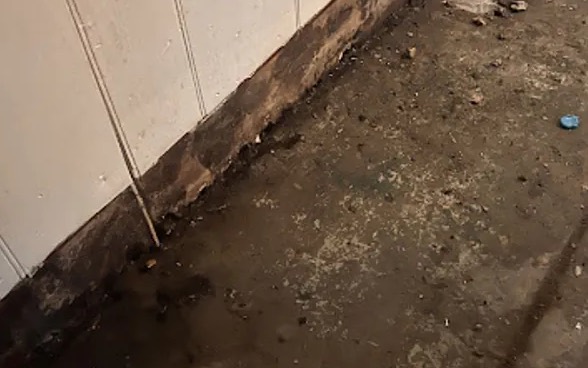
Professional Sewer Backup Water Removal in Griffin, GA
A sewer line backup cleanup in Griffin can quickly compromise your property's integrity and indoor air quality. Black water contains dangerous contaminants from sanitary sewer lines that demand specialized remediation. Local sewer water extraction experts prioritize safety and rapid containment to limit the damage spread.
Sewer backups in Griffin and nearby Orchard Hill, Williamson and Milner can flood lower floors with black water without warning. Local pros respond 24/7 to extract it before swelling, odor and mold set in.
Complete Sewer Backup Water Removal Solutions for Griffin
Sewage Backup Cleanup
Cleaning after a sewer backup goes beyond simple mopping. Professionals follow strict protocols for handling biohazards, helping ensure all affected areas in Griffin are treated with appropriate antimicrobial agents to neutralize harmful bacteria and viruses.
Sewer Line Backup Cleanup
A sewer line backup can cause significant flooding. Professional cleanup involves early action to extract the water, remove debris, and disinfect the area, a crucial intervention for Griffin properties dealing with this severe plumbing emergency.
Contaminated Water Removal
The pros wear protective gear and seal off the area while they extract contaminated water and solids, keeping occupants away from the hazard.
Black Water Damage Restoration
Black water damage restoration involves the complete process of returning a property to a pre-loss condition after sewer contamination. The pros in Griffin handle extraction, cleaning, drying, and potential repairs for affected structures.
Sewer Backup Drywall Removal
Wet drywall removal is often necessary after sewer contamination, as porous drywall cannot be properly sanitized. The pros in Griffin safely remove and dispose of waterlogged drywall to prevent mold and lingering odors.
Indicators You Need Professional Sewer Water Extraction
Gurgling Drains and Toilets
Bubbling and gurgling from drains and toilets often come before a full sewer backup.
Wet Drywall From Sewage
Walls soaked by contaminated water must be removed to prevent structural rot and dangerous mold growth after sewer backup.
Sewage Backup in Basement
Black water rising from floor drains or toilets signals a severe sewer line backup that requires water extraction.
Multiple Drains Backing Up
When sinks, showers and toilets all drain slowly or overflow at once, the main sewer line is probably clogged.
How Sewer Backup Water Removal Works in Griffin
Step 1: Initial Sewer Water Extraction
Immediate extraction of all standing sewage water is performed to mitigate damage and begin the flood cleanup process.
Step 2: Wet Drywall and Flooring Removal
Porous, contaminated materials like wet drywall and flooring are cut out and disposed of according to hazardous waste guidelines.
Step 3: Structural Drying and Monitoring
The pros deploy drying equipment and use moisture meters to monitor progress until the area meets dry standard criteria.
Step 4: Sanitization After Sewer Backup
A thorough sanitization after sewer backup is conducted, including air scrubbing if needed, to eliminate odors and pathogens.
Typical Sewer Backup Contamination Sources
Sanitary Sewer Overflows (SSOs)
Failures at treatment plants or pump stations can send sewage back into connected homes.
Municipal System Overloads
Heavy rain or system failures can overwhelm public sewers and push sewage back into homes.
Aging or Collapsed Pipes
Old sewer lines can break or collapse, letting raw sewage escape into the yard or the house.
Severe Clogs in Lateral Lines
A blockage in the pipe between your home and the city sewer is one of the most common backup causes.
Residential and Commercial Sewer Backup Water Removal in Griffin
Residential Sewer Backup Water Removal
In homes, soaked carpet, furniture and insulation are removed. The experts then clean, disinfect and dry the structure.
Commercial Sewer Backup Water Removal
Restaurants, stores and offices need the backup contained so it does not reach clean areas. Extraction is followed by drying and deodorizing before reopening.
Risks of DIY Sewer Backup Water Removal
After ensuring personal safety, you can make a list of damaged belongings for your own records. Avoid using chemical drain cleaners on a suspected backup, as they can worsen pipe damage.
Factors Influencing Sewer Backup Water Removal Pricing in Griffin
Pricing for sewer backup restoration in Griffin is shaped by the emergency response level, the volume of sewage to extract, and the complexity of the sanitization process.
Material Removal
Wet drywall removal, damaged flooring disposal, and other demolition work add to the project scope and associated waste handling fees.
Affected Area Size
The total square footage flooded dictates the scale of extraction and drying equipment needed, directly impacting the labor and resource investment.
Post-Restoration Verification
Final testing to confirm the area is dry and clean is a separate step with its own cost.
Does Insurance Cover Sewer Backup Water Removal?
Does insurance cover sewer line backup cleanup? It might, but often only if the backup originates on your property and is not due to neglect. The pros in Griffin gather evidence like moisture maps for your claim.
Why Griffin Homeowners Trust Local Water Damage Restoration Pros
Advanced Extraction Equipment
Powerful truck-mounted or portable extractors are used to remove large volumes of sewer water quickly from floors and carpets.
Odor Neutralization Techniques
Specialized deodorization methods address persistent sewage odors, working to restore a fresher indoor environment post-cleanup.
Post-Remediation Verification
Final moisture checks confirm the space is dry and clean before the job is finished.
24/7 Sewer Backup Response in Griffin
A sewer backup gets worse the longer it sits. Call the pros at (478) 779-1453 any time for cleanup and drying.
Call Now (478) 779-1453Sewer Backup Water Removal Serving Griffin, Orchard Hill, Williamson and Milner
When a sewer line fails, the resulting black water damage requires professional extraction and sanitization. The pros serve Griffin and nearby communities including Orchard Hill, Williamson and Milner for sewage backup cleanup.
- Sewer Backup Water Removal in Orchard Hill
- Sewer Backup Water Removal in Williamson
- Sewer Backup Water Removal in Milner
- Sewer Backup Water Removal in Zebulon
- Sewer Backup Water Removal in Barnesville
- Sewer Backup Water Removal in Concord
- Sewer Backup Water Removal in Jackson
- Sewer Backup Water Removal in Molena
- Emergency Damage Restoration in 30223
- Storm Damage Restoration in 30223
- Water Damage Restoration in 30223
- Water Extraction Service in 30223
- Water Leak Detection in 30223
- Water Removal Service in 30223
- Emergency Damage Restoration in 30224
- Storm Damage Restoration in 30224
Sewer Backup Water Removal in Griffin: Your Questions Answered
What is sewer backup water removal?
Sewer backup water removal is the emergency extraction and remediation of Category 3 black water that has entered a home from a sewer or drain line failure.
Is sanitization after sewer backup always required?
Sanitization after sewer backup is always required to kill pathogens and prevent mold, using EPA-registered disinfectants on all affected hard surfaces.
What areas need sewer line backup cleanup?
Sewer line backup cleanup is needed anywhere sewage has flooded, commonly basements, bathrooms, laundry rooms, and any lower-level or ground-floor living spaces.
What does black water damage restoration involve?
Black water damage restoration involves extracting the contaminated water, removing unsalvageable porous materials, disinfecting surfaces, and thoroughly drying the structure to industry standards.
What is biohazard sewage remediation?
Biohazard sewage remediation is the specialized cleanup and disinfection of areas contaminated with sewage, which is considered a Category 3 biohazardous material.