Griffin, GA · Spalding County
Sewage Water Removal in Griffin, GASewage Contaminated Drywall Removal & Sewage Damage Sanitization
Reliable Sewage Water Removal in Griffin ensures sewage backup cleanup, sewage spill containment, and sewage odor neutralization.
Answered 24/7
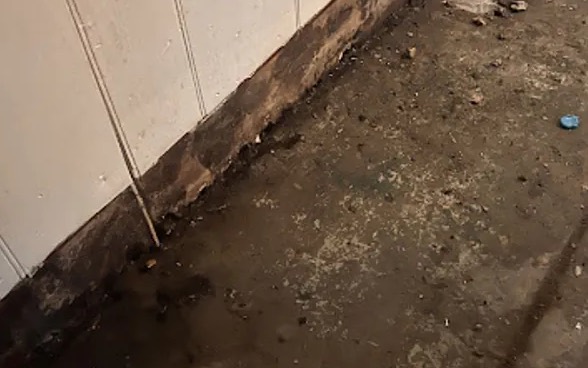
Professional Sewage Water Removal in Griffin, GA
In Griffin, a sewage smell that lingers means bacteria and moisture are still present. Pros remove the source of the odor rather than covering it up.
Black water in Griffin is Category 3 water, full of sewage and germs. Local pros extract and contain it, then sanitize homes and businesses across the area, including Orchard Hill, Williamson and Milner.
Detailed Sewage Water Removal Offerings in Griffin
Sewage Contaminated Drywall Removal
Leaving sewage-affected drywall creates a long-term health hazard from trapped bacteria and mold. Professional removal follows a precise process to minimize dust and cross-contamination.
Sewage Damage Sanitization
Sanitization is core to restoring a property after sewage damage. It involves cleaning and treating the affected zone with professional-grade biocides.
Sewage Backup Cleanup
Sewage backup cleanup addresses contaminated water flowing back from drains. Prompt sewage water removal prevents property damage and health hazards. Local sewage removal pros use industry-standard methods for safe cleanup. For urgent issues in Griffin, call (478) 779-1453.
Contaminated Carpet Removal
Carpet saturated with sewage is typically unsalvageable and must be removed. The experts cut, roll, and bag contaminated carpet and pad for proper disposal.
Black Water Extraction Service
All standing sewage is removed, then moisture meters find water that soaked into subfloors and walls and still needs drying.
When to Call for Sewage Water Removal in Griffin
Black Water in Toilets
Toilets overflowing with unsanitary black water signal a main line clog, a serious sewage spill requiring containment.
Discolored Carpet or Flooring
Stains or damp spots in carpet near a drain may come from a hidden sewage backup. Contaminated carpet usually has to be removed.
Unexplained Illness in Household
Health symptoms can stem from airborne pathogens from a sewage spill, highlighting the need for sewage sanitization.
Slow Drains Throughout Home
Multiple slow drains point to a widespread sewer line issue, a key sign of pending sewage water damage.
How Sewage Water Removal Works in Griffin
Step 1: Hazardous Sewage Containment
The first action is to create a physical barrier around the sewage spill. This containment prevents pathogens from spreading to other rooms during the sewage backup cleanup.
Step 2: Professional Sewage Extraction
Submersible pumps and extractors remove the black water, including what has seeped into cracks and under flooring.
Step 3: Antimicrobial Treatment and Disposal
All surfaces receive a hospital-grade disinfectant application for sewage sanitization. Irreparably damaged materials are bagged and tagged for proper hazardous waste disposal.
Step 4: Air Purification and Moisture Control
Air scrubbers with HEPA filters clean airborne contaminants. Concurrently, industrial drying equipment controls humidity, finalizing the emergency sewage cleanup process.
Common Causes of Sewage Backups in Griffin
Ground Shifting or Settlement
Shifting soil can crack or misalign sewer pipes, letting sewage leak into the ground and the home.
Septic Tank Backup or Failure
A full, damaged, or malfunctioning septic system can force raw sewage back into the home's plumbing fixtures.
Municipal Sewer System Overload
Heavy rainfall or system failures can overwhelm public sewers, forcing contaminated water back into residential properties.
Flushing Non-Flushable Items
Wipes, hygiene products and paper towels clump together in the pipes and form blockages that push sewage back into the home.
Residential and Commercial Sewage Water Removal in Griffin
Residential Sewage Water Removal
A sewage backup at home is a health emergency. Local pros clean and sanitize bathrooms, basements and living areas, and remove soaked drywall and carpet.
Commercial Sewage Water Removal
A sewage spill can close a business. Pros contain it, then sanitize and deodorize retail, office or restaurant space so it can meet health codes and reopen.
Sewage Cleanup: Professional Help vs. DIY in Griffin
After pros extract and sanitize, keep their fans and dehumidifiers running and the area ventilated. Do not remove the equipment early or treat the odor with store-bought chemicals.
What Influences Sewage Removal Cost in Griffin
In Griffin, sewage cleanup price depends on whether the backup came from the main line or an inside drain, how many square feet were affected, and whether drywall or carpet must be removed.
Source of Contamination
A main sewer line backup involves more hazardous black water and wider contamination than an isolated toilet overflow, impacting safety protocols and cleanup scope.
Odor Neutralization Scope
Strong odors may need air scrubbers and extra treatment, which adds to the cost.
Required Drying Time
The duration for structural drying after sewage water extraction depends on material saturation levels and ambient humidity in the space.
Does Insurance Cover Sewage Water Removal?
Whether insurance covers sewage water removal depends entirely on your policy's specific terms and the covered peril that caused the backup. The pros document all damage with photos and moisture readings for your claim submission.
The Value of Local Sewage Water Removal Pros in Griffin
Safety-Centered Approach
Utilizing personal protective equipment and establishing work zones to protect occupants and pros from hazardous sewage pathogens.
Black Water Extraction Focus
Specialized pumps and extractors remove Category 3 contaminated water, the critical first step in any sewage cleanup process.
24/7 Emergency Response
Sewage backups demand immediate containment to limit damage and health hazards. Help is available around the clock for such incidents.
Emergency Sewage Cleanup in Griffin, GA
A sewage backup is a severe health hazard requiring immediate containment. For 24/7 emergency sewage cleanup in Griffin, contact the specialists at (478) 779-1453.
Call Now (478) 779-1453Sewage Water Removal Near Griffin: Areas Served
In Griffin, sewage backup cleanup follows strict safety steps. The same help is available in surrounding areas such as Orchard Hill, Williamson and Milner.
- Sewage Water Removal in Orchard Hill
- Sewage Water Removal in Williamson
- Sewage Water Removal in Milner
- Sewage Water Removal in Zebulon
- Sewage Water Removal in Barnesville
- Sewage Water Removal in Concord
- Sewage Water Removal in Jackson
- Sewage Water Removal in Molena
- Emergency Damage Restoration in 30223
- Storm Damage Restoration in 30223
- Water Damage Restoration in 30223
- Water Extraction Service in 30223
- Water Leak Detection in 30223
- Water Removal Service in 30223
- Emergency Damage Restoration in 30224
- Storm Damage Restoration in 30224
Common Sewage Water Removal Queries Answered
Does sewage removal involve repairing the plumbing?
Sewage removal focuses on cleanup and restoration. While pros may help identify a clog's location, actual plumbing repair for the line itself typically requires a separate professional plumber, as local regulations often require specific qualifications for that work.
What causes a sewage system clog needing clearing?
Clogs are often from flushed non-dissolvable items, grease buildup, tree root intrusion, or collapsed pipes. Clearing identifies the blockage location and safely removes it to restore flow.
How quickly should sewage spill containment begin?
Containment should start immediately to prevent cross-contamination. Sewage spreads quickly, so rapid setup of barriers by pros limits the affected area and reduces overall damage and risk.
Are homes safe during sewage cleanup work?
Pros establish containment and use safety gear to minimize risk. Occupants should avoid the work area entirely until the pros complete sanitization and deem it safe.
When is black water extraction service required?
It's required for Category 3 water containing untreated sewage, chemical, or biological contaminants. This hazardous water must be extracted with specialized equipment before any cleanup or drying.