Harrison, GA · Washington County
Sewage Water Removal in Harrison, GAContaminated Carpet Removal & Sewage Damage Sanitization
Emergency Sewage Water Removal in Harrison addresses sewage backup cleanup, sewage spill containment, and sewage odor neutralization.
Answered 24/7
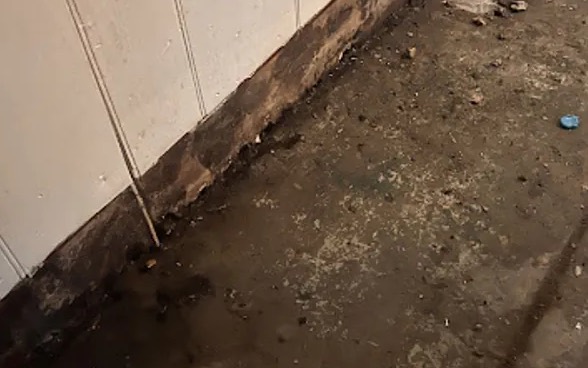
Sewage Water Removal Response in Harrison
In Harrison, carpet and pad soaked by a sewage backup usually have to be removed, since porous materials hold germs even after surface cleaning.
For homes in Harrison, sanitizing after black water removal kills the bacteria and viruses left on surfaces. Local pros also clear sewer clogs for properties in Riddleville, Tennille and Sandersville to prevent repeat backups.
Comprehensive Sewage Water Removal Solutions for Harrison
Contaminated Carpet Removal
Porous flooring like carpet cannot be effectively sanitized after black water contact. Contaminated carpet removal is standard in sewage damage restoration.
Sewage Damage Sanitization
Sewage damage sanitization destroys pathogens left after physical water removal. Sewage cleanup specialists wear protective equipment while applying disinfectants to all surfaces.
Sewage Backup Cleanup
Sewage backup cleanup is not a DIY task due to severe health risks. Professional sewage water removal extracts black water, cleans surfaces, and applies industrial-grade disinfectants.
Black Water Extraction Service
Black Water Extraction Service removes Category 3 water, grossly contaminated with pathogens. It is the first physical step.
Sewage Odor Neutralization
Air fresheners only mask sewage odor. After extraction, pros use hydroxyl generators that break down the odor molecules so the space is livable again.
Indicators You Need Sewage Cleanup in Harrison
Black Water in Toilets
Toilets overflowing with unsanitary black water signal a main line clog, a serious sewage spill requiring containment.
Discolored Carpet or Flooring
Stains or damp spots in carpet near a drain may come from a hidden sewage backup. Contaminated carpet usually has to be removed.
Slow Drains Throughout Home
Multiple slow drains point to a widespread sewer line issue, a key sign of pending sewage water damage.
Sewage Pooling in Yard
Wet spots or effluent surfacing in the yard indicates a broken sewer pipe, causing sewage water damage outdoors.
How Sewage Water Removal Works in Harrison
Step 1: Hazardous Sewage Containment
The first action is to create a physical barrier around the sewage spill. This containment prevents pathogens from spreading to other rooms during the sewage backup cleanup.
Step 2: Professional Sewage Extraction
Submersible pumps and extractors remove the black water, including what has seeped into cracks and under flooring.
Step 3: Antimicrobial Treatment and Disposal
All surfaces receive a hospital-grade disinfectant application for sewage sanitization. Irreparably damaged materials are bagged and tagged for proper hazardous waste disposal.
Step 4: Air Purification and Moisture Control
Air scrubbers with HEPA filters clean airborne contaminants. Concurrently, industrial drying equipment controls humidity, finalizing the emergency sewage cleanup process.
Common Causes of Sewage Backups in Harrison
Sump Pump Failure or Overflow
A failed sump pump or heavy inflow can flood a basement with contaminated water.
Improperly Installed Plumbing
Incorrect slopes or faulty connections in drain lines create recurring clogs and frequent sewage backup issues.
Flushing Non-Flushable Items
Wipes, hygiene products and paper towels clump together in the pipes and form blockages that push sewage back into the home.
Ground Shifting or Settlement
Shifting soil can crack or misalign sewer pipes, letting sewage leak into the ground and the home.
Both Residential & Commercial Sewage Water Removal in Harrison
Residential Sewage Water Removal
Sewage water damage in residences requires careful extraction and disinfection. The experts use industry-standard methods for black water removal from floors and carpets.
Commercial Sewage Water Removal
Commercial sewage cleanup often involves larger-scale extraction and faster drying to resume business. The pros manage sewage system clog clearing and sanitization in warehouses, medical facilities, or multi-tenant buildings, coordinating around business hours when possible.
Sewage Water Removal vs. DIY: When to Call Sewage Cleanup Specialists
If sewage has lightly splashed onto non-porous surfaces like vinyl flooring, you can pre-clean with a detergent and hot water solution while wearing full protection. Rinse thoroughly. This is only for surface splashes.
Understanding Sewage Cleanup Cost in Harrison
In Harrison, sewage damage costs rise with after-hours response, hard-to-reach areas and the equipment needed to extract and sanitize.
Material Removal Needs
Permanently contaminated porous materials like carpet, padding, or drywall require careful removal and disposal, adding to labor and waste handling costs.
Documentation for Claims
Thorough photo and moisture logging for your insurer's review is a standard, detailed step that factors into the overall service time.
Emergency Response Timing
A 24/7 emergency sewage cleanup call, especially after hours, typically involves a faster response for immediate containment.
Does Insurance Cover Sewage Water Removal?
Whether sewage removal is covered often relates to the source, a toilet overflow inside may differ from an external sewer main break. The pros follow industry-standard methods and document each step meticulously for your insurance review.
Selecting Local Specialists for Sewage Issues in Harrison
24/7 Emergency Response
Sewage backups demand immediate containment to limit damage and health hazards. Help is available around the clock for such incidents.
Safety-Centered Approach
Utilizing personal protective equipment and establishing work zones to protect occupants and pros from hazardous sewage pathogens.
Black Water Extraction Focus
Specialized pumps and extractors remove Category 3 contaminated water, the critical first step in any sewage cleanup process.
Emergency Sewage Cleanup in Harrison, GA
When a toilet overflows or a drain backs up with sewage, time is critical. Initiate emergency sewage cleanup in Harrison by dialing (478) 779-1453.
Call Now (478) 779-1453Local Sewage Water Removal Coverage for Harrison and Beyond
The places below are also served, and each one has its own page.
- Sewage Water Removal in Riddleville
- Sewage Water Removal in Tennille
- Sewage Water Removal in Sandersville
- Sewage Water Removal in Oconee
- Sewage Water Removal in Deepstep
- Sewage Water Removal in Toomsboro
- Sewage Water Removal in Dublin
- Sewage Water Removal in Irwinton
- Emergency Damage Restoration in 31035
- Storm Damage Restoration in 31035
- Water Damage Restoration in 31035
- Water Extraction Service in 31035
- Water Leak Detection in 31035
- Water Removal Service in 31035
Sewage Water Removal FAQ for Harrison Homeowners
Why is sewage contamination cleanup a health priority?
Sewage contains harmful bacteria, viruses, and parasites. Prompt professional cleanup is a health priority to eliminate these pathogens and prevent illness or long-term exposure risks in the home.
How quickly should sewage spill containment begin?
Containment should start immediately to prevent cross-contamination. Sewage spreads quickly, so rapid setup of barriers by pros limits the affected area and reduces overall damage and risk.
Does sewage removal involve repairing the plumbing?
Sewage removal focuses on cleanup and restoration. While pros may help identify a clog's location, actual plumbing repair for the line itself typically requires a separate professional plumber, as local regulations often require specific qualifications for that work.
How long does sewage water removal typically take?
The timeline varies by spill size and depth. Extraction may take hours, but full drying and sanitization can require several days, depending on material saturation and air circulation.
What does sewage damage sanitization entail?
Sanitization after sewage exposure involves applying EPA-registered antimicrobial disinfectants to all affected hard surfaces, and sometimes fogging the air, to kill bacteria, viruses, and fungi from the contamination.