Dublin, GA · Laurens County
Sewage Water Removal in Dublin, GASewage System Clog Clearing & Sewage Odor Neutralization
When you need sewage water removal in Dublin, sewage damage sanitization, contaminated carpet removal, and sewage system clog clearing are critical.
Answered 24/7
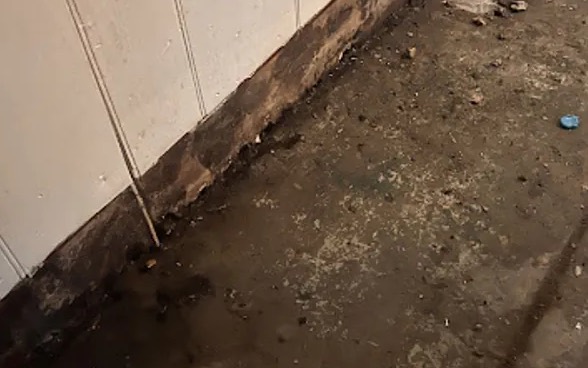
Sewage Water Removal for Dublin Residents
Sewage affected drywall removal in Dublin is common because drywall absorbs contaminated water, becoming a breeding ground for mold and bacteria.
Black water in Dublin is Category 3 water, full of sewage and germs. Local pros extract and contain it, then sanitize homes and businesses across the area, including Dudley, Dexter and Rentz.
The Sewage Water Removal Process in Dublin
Sewage System Clog Clearing
After a sewage backup, clearing the clog stops more contaminated water from entering. Sewage cleanup specialists may use drain snakes to open the line enough for cleanup.
Sewage Odor Neutralization
Persistent sewage odors indicate contamination in porous materials or air. Professional sewage odor neutralization involves cleaning, sealing, and purifying the air.
Sewage Backup Cleanup
Sewage backup cleanup is not a DIY task due to severe health risks. Professional sewage water removal extracts black water, cleans surfaces, and applies industrial-grade disinfectants.
Contaminated Carpet Removal
Sewage-soaked carpet holds contaminants that cleaning cannot reach, so it has to go. Pros bag it carefully, then sanitize and dry the subfloor for new flooring.
Sewage Damage Sanitization
After sewage water extraction, thorough sanitization is required for safe re-occupancy. Professionals use hospital-grade disinfectants on floors, walls, and salvageable contents.
Indicators You Need Sewage Cleanup in Dublin
Sewage Pooling in Yard
Wet spots or effluent surfacing in the yard indicates a broken sewer pipe, causing sewage water damage outdoors.
Damp Drywall Near Plumbing
Soft, stained, or bubbling drywall near pipes often hides sewage contamination, needing sewage affected drywall removal.
Black Water in Toilets
Toilets overflowing with unsanitary black water signal a main line clog, a serious sewage spill requiring containment.
Slow Drains Throughout Home
Multiple slow drains point to a widespread sewer line issue, a key sign of pending sewage water damage.
How Sewage Water Removal Works in Dublin
Step 1: Hazardous Sewage Containment
The first action is to create a physical barrier around the sewage spill. This containment prevents pathogens from spreading to other rooms during the sewage backup cleanup.
Step 2: Professional Sewage Extraction
Submersible pumps and extractors remove the black water, including what has seeped into cracks and under flooring.
Step 3: Antimicrobial Treatment and Disposal
All surfaces receive a hospital-grade disinfectant application for sewage sanitization. Irreparably damaged materials are bagged and tagged for proper hazardous waste disposal.
Step 4: Air Purification and Moisture Control
Air scrubbers with HEPA filters clean airborne contaminants. Concurrently, industrial drying equipment controls humidity, finalizing the emergency sewage cleanup process.
Frequent Sources of Sewage Spills in Dublin
Main Sewer Line Blockages
Tree roots, grease, or foreign objects can completely obstruct the main line, causing sewage backup into the home.
Aging or Collapsed Sewer Pipes
Old, corroded, or broken pipes leak sewage into the ground or foundation, leading to extensive sewage water damage.
Ground Shifting or Settlement
Shifting soil can crack or misalign sewer pipes, letting sewage leak into the ground and the home.
Septic Tank Backup or Failure
A full, damaged, or malfunctioning septic system can force raw sewage back into the home's plumbing fixtures.
House and Business Sewage Water Removal in Dublin
Residential Sewage Water Removal
A home sewage emergency demands a 24/7 response. The pros prioritize safety, setting up containment for sewage backup cleanup.
Commercial Sewage Water Removal
Commercial sewage emergencies require immediate spill containment to protect customers and employees. The experts respond 24/7 to begin black water extraction service and initial disinfection, helping to secure the site and prevent further contamination.
Hiring Sewage Water Extraction Experts vs. DIY Sewage Cleanup
You can research sewage cleanup cost factors online to better understand the scope of work. Get clarity by asking the specialists about their process for sewage removal. Remember, never attempt black water removal yourself due to severe health risks.
Estimating Your Sewage Water Removal Expense in Dublin
Pricing in Dublin depends on the size of the clog or break, the surfaces contaminated, and the odor removal and air cleaning needed afterward.
Affected Square Footage
The total area covered by sewage dictates the scale of extraction, drying, and disinfection efforts required for complete sewage damage repair.
Odor Neutralization Scope
Strong odors may need air scrubbers and extra treatment, which adds to the cost.
Sanitization Protocol Depth
The level of sewage damage sanitization needed, from surface cleaning to fogging and antimicrobial coating, affects both time and material use.
Does Insurance Cover Sewage Water Removal?
Many homeowners policies cover sudden accidental discharges but may exclude groundwater or main line backups. Pros record the contamination and sanitizing work for your insurer.
Benefits of Local Sewage Experts in Dublin
Safety-Centered Approach
Utilizing personal protective equipment and establishing work zones to protect occupants and pros from hazardous sewage pathogens.
Containment Protocol Execution
Immediate setup of barriers prevents cross-contamination, keeping the sewage spill confined to the originally affected area during cleanup.
Thorough Drying Verification
Using moisture meters and sensors to ensure structural materials are dry after extraction, preventing secondary mold growth later.
Around-the-Clock Sewage Water Removal for Dublin
Sewage spreads germs through your home. For black water in Dublin, call (478) 779-1453 now so the experts can contain the spill and start removal.
Call Now (478) 779-1453Sewage Water Removal Near Dublin: Areas Served
For Dublin, effective sewage cleanup involves extraction, disinfection, and drying. The experts in Dublin also serve neighboring locales like Dudley, Dexter and Rentz, handling sewage odor removal and contaminated material disposal with care.
- Sewage Water Removal in Dudley
- Sewage Water Removal in Dexter
- Sewage Water Removal in Rentz
- Sewage Water Removal in Montrose
- Sewage Water Removal in Cadwell
- Sewage Water Removal in Chester
- Sewage Water Removal in Allentown
- Sewage Water Removal in Danville
- Emergency Damage Restoration in 31021
- Storm Damage Restoration in 31021
- Water Damage Restoration in 31021
- Water Extraction Service in 31021
- Water Leak Detection in 31021
- Water Removal Service in 31021
- Emergency Damage Restoration in 31027
- Storm Damage Restoration in 31027
Frequently Asked Sewage Water Removal Questions
How quickly should sewage spill containment begin?
Containment should start immediately to prevent cross-contamination. Sewage spreads quickly, so rapid setup of barriers by pros limits the affected area and reduces overall damage and risk.
What does sewage damage sanitization entail?
Sanitization after sewage exposure involves applying EPA-registered antimicrobial disinfectants to all affected hard surfaces, and sometimes fogging the air, to kill bacteria, viruses, and fungi from the contamination.
How long does sewage water removal typically take?
The timeline varies by spill size and depth. Extraction may take hours, but full drying and sanitization can require several days, depending on material saturation and air circulation.
Why might drywall need removal after sewage exposure?
Sewage affected drywall removal is standard because drywall is porous and wicks contaminated water upward. It cannot be reliably disinfected and must be cut out and disposed of safely.
Why is sewage contamination cleanup a health priority?
Sewage contains harmful bacteria, viruses, and parasites. Prompt professional cleanup is a health priority to eliminate these pathogens and prevent illness or long-term exposure risks in the home.