Dublin, GA · Laurens County
Residential Water Damage Restoration in Dublin, GABurst Pipe Water Cleanup & Emergency Flood Drying Services
Residential Water Damage Restoration in Dublin covers sewage backup cleanup service, wet drywall removal service, and emergency flood drying services.
Answered 24/7
Your Dublin Residential Water Damage Restoration Specialists
Water damage cleanup in Dublin matters because moisture can quickly compromise structural materials and indoor air quality. Timely action prevents costly secondary issues like mold growth.
Flood cleanup in homes is common in the Dublin area, including communities near Dudley, Dexter and Rentz. Pros remove standing water, pull soaked carpet pad and dry floors and walls.
Residential Water Damage Restoration Solutions in Dublin
Burst Pipe Water Cleanup
Burst pipe water cleanup extracts standing water after plumbing failure. Water removal pros in Dublin respond to minimize damage to floors and walls.
Emergency Flood Drying Services
When a flood occurs, emergency drying services work to quickly reduce humidity and dry structural materials. In Dublin, the pros place equipment strategically to create optimal airflow and moisture removal.
Ceiling Leak Damage Repair
Ceiling leak damage repair addresses water stains and sagging in Dublin. The pros identify the source first.
Appliance Leak Water Extraction
Appliance leak water extraction deals with water from washing machines or dishwashers. The pros in Dublin extract water from floors.
Flooded Carpet Water Extraction
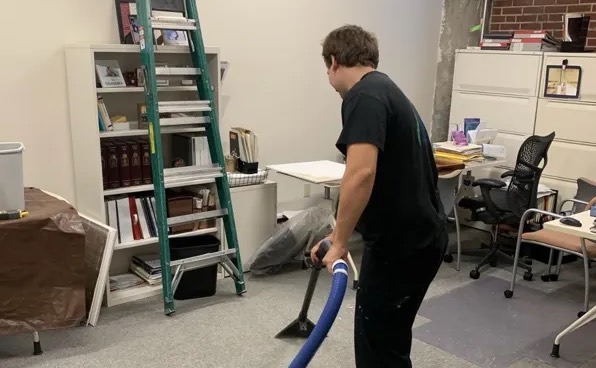
Professionals in Dublin use powerful extractors to remove water from carpet fibers and padding. This prevents permanent staining and odor development.
Signs of Water Damage in Dublin Homes
Water Stains on Ceilings
Brownish stains on ceilings mean a past or active leak above, and the ceiling may need repair.
Peeling Paint or Wallpaper
Peeling or bubbling paint or wallpaper usually means moisture is trapped in the drywall behind it.
Pooling Water in Basement
Standing water in a basement soaks walls, stored items and the slab and should be removed right away.
Wet Drywall Swelling
Swollen or bubbling drywall indicates water has seeped inside. This can lead to structural weakening and mold growth if not dried promptly.
How Residential Water Damage Restoration Works in Dublin
Step 1: Emergency Water Extraction
Pumps and truck-mounted extractors remove standing water first, so materials stop soaking it up.
Step 2: Comprehensive Moisture Mapping
Using moisture meters and thermal cameras, the pros locate hidden dampness in walls, floors, and ceilings. This mapping directs the targeted drying phase.
Step 3: Industrial Drying and Dehumidification
High-velocity air movers and commercial dehumidifiers are placed to evaporate and remove moisture from the air and materials. This step prevents warping and mold growth.
Step 4: Cleaning and Sanitizing Affected Areas
Once dry, all affected surfaces are cleaned and sanitized. For contaminated water incidents, this includes antimicrobial treatments as part of the complete restoration.
Common Causes of Water Damage in Dublin
Appliance Malfunctions and Leaks
Failing washing machines, water heaters, or dishwashers can leak. Appliance leak water extraction addresses the water and prevents further appliance damage.
Natural Disaster Flood Waters
Rising rivers or flash floods can push water into a property within hours.
HVAC System Condensation Issues
Clogged drain lines or faulty condensate pumps from AC units can cause overflow. This leads to water damage needing specialized cleanup.
Burst or Leaking Pipes
A burst pipe can release hundreds of gallons, causing rapid flooding. Burst pipe water cleanup requires quick action to limit damage.
Residential & Commercial Water Damage Restoration in Dublin
Residential Water Damage Restoration
Flood cleanup in homes covers living areas, bedrooms and basements where families spend time. Pros dry all of it so moisture does not stay in the walls.
Commercial Water Damage Restoration
For restaurants or warehouses, water damage can compromise sanitation and storage areas. Specialized cleanup protocols are used to meet health codes and safety standards during the restoration process.
DIY Water Damage Repair vs. Professional Residential Water Damage Restoration
You can use towels to blot small, isolated spills on hard surfaces to contain the moisture. Avoid using a household vacuum on water, as this is an electrical hazard.
Understanding Residential Water Damage Restoration Costs in Dublin
Investment in emergency water removal for your home in Dublin depends on the water category and the required drying time. Contaminated water from a sewage backup demands different protocols than clean water from a burst pipe, affecting cost.
Drying Time Required
The necessary duration for industrial dehumidifiers and air movers to achieve proper dryness affects the overall timeline and resource use.
Contamination Level
Clean water from a supply line leak is less complex to handle than gray water or black water from a sewage backup cleanup service.
Water Damage Severity
The extent of saturation and the category of water involved directly influence the scope and necessary protocols for the restoration process.
Does Insurance Cover Residential Water Damage Restoration?
Whether insurance covers water damage cleanup is determined by the source of the water and your policy details. The pros provide detailed documentation, including moisture maps, to support your insurance claim filing process.
Why Choose Local Pros for Residential Water Damage Restoration in Dublin
Detailed Documentation
Systematic photos and moisture readings create a clear record of the damage and restoration process for your reference.
Material-Specific Techniques
Methods are tailored for different materials, from wet drywall removal to delicate hardwood floor drying.
Structural Integrity Focus
Building materials are dried back to normal moisture levels to protect the home's structure.
24-Hour Emergency Residential Water Damage Restoration in Dublin, GA
A flooded home requires professional water extraction equipment and expertise to dry properly. Get help now by calling (478) 779-1453 for 24/7 emergency flood cleanup services in Dublin.
Call Now (478) 779-1453Residential Water Damage Restoration Service Area for Dublin, Georgia
Homeowners in Dublin, Dudley, Dexter and Rentz can get water removal and drying after a leak or flood from the pros.
- Residential Water Damage Restoration in Dudley
- Residential Water Damage Restoration in Dexter
- Residential Water Damage Restoration in Rentz
- Residential Water Damage Restoration in Montrose
- Residential Water Damage Restoration in Cadwell
- Residential Water Damage Restoration in Chester
- Residential Water Damage Restoration in Allentown
- Residential Water Damage Restoration in Danville
- Emergency Damage Restoration in 31021
- Storm Damage Restoration in 31021
- Water Damage Restoration in 31021
- Water Extraction Service in 31021
- Water Leak Detection in 31021
- Water Removal Service in 31021
- Emergency Damage Restoration in 31027
- Storm Damage Restoration in 31027
Residential Water Damage Restoration Common Questions Answered
Is mold remediation always part of water damage cleanup?
The pros monitor for signs and can implement mold remediation protocols if mold is detected during the restoration.
How do water extraction service providers handle hidden moisture?
Using non-invasive moisture meters and thermal imaging cameras, the pros can detect water behind walls or under floors without unnecessary demolition, guiding targeted drying efforts.
What equipment is used for emergency water removal?
The experts use truck-mounted or portable extractors, industrial-grade air movers, dehumidifiers, moisture meters, and infrared cameras to locate and remove water effectively.
Can appliance leak water extraction prevent mold?
Yes, thorough extraction and drying of the area around appliances like water heaters or washing machines removes the moisture that mold needs to grow, preventing a future problem.
What are the risks of delayed ceiling leak damage repair?
Delays can lead to sagging ceilings, rot in the framing and mold in the attic or upper floors. Removing the water and drying promptly limits that.