Junction City, GA · Talbot County
Industrial Dehumidification in Junction City, GAIndustrial Humidity Reduction Systems & Disaster Recovery Drying
Get Industrial Dehumidification in Junction City for industrial flood damage restoration, warehouse moisture control, and mold remediation services.
Answered 24/7
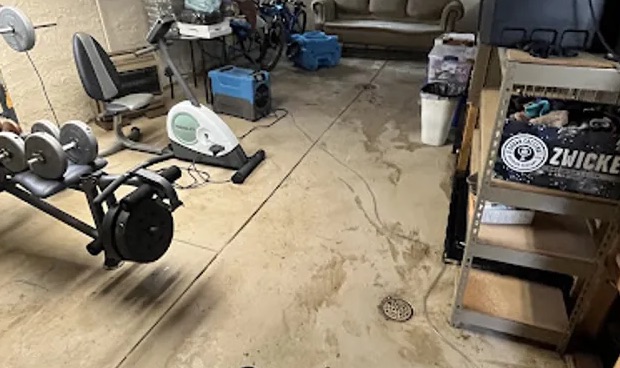
Industrial Drying Services for Junction City Properties
Data centers, storage rooms and archives need stable humidity. After water damage, condensation and corrosion can harm equipment and records.
When flooding hits an industrial building in Junction City, drying needs to start quickly. Local large loss drying pros also work in nearby Geneva, Talbotton and Butler and keep records of the water removal and drying.
Industrial Drying Services in Junction City
Industrial Humidity Reduction Systems
A building may need a dedicated system for ongoing humidity. Industrial dehumidification units integrate into HVAC or operate independently.
Disaster Recovery Drying
Recovering from a widespread water event requires professional drying resources. Industrial dehumidification units run continuously to remove the immense volume of moisture introduced.
Commercial Water Damage Cleanup
Leaks or floods in commercial properties need high-capacity dehumidifiers. Humidity control in expansive areas targets moisture in concrete slabs and behind walls.
Mold Remediation Services
Extensive mold requires professional remediation to ensure occupant safety. Industrial dehumidification is a core part of stopping the mold lifecycle.
Emergency Water Removal
After a flood, standing water has to come out first. Pumps and extractors remove it so drying can begin.
Indicators for Industrial Dehumidification Services in Junction City
Warped or Buckling Materials
Swollen wood, peeling paint or distorted flooring are signs of too much moisture in the building.
Peeling Adhesives or Labels
Boxes losing their shape and labels peeling off mean the storage area is holding too much moisture.
Stained Ceilings or Walls
Yellow or brown water stains show where past leaks happened and where moisture may still be.
Damp Insulation or Drywall
Wet materials behind walls or above ceilings stay wet for weeks without forced drying and can rot.
How Industrial Dehumidification Works in Junction City
Step 1: Initial Water Damage Cleanup
Pumps and extractors remove the visible water to stop more damage and remove slip hazards.
Step 2: Establish Drying Environment
The area is closed off and dehumidifiers lower the humidity so moisture leaves the materials.
Step 3: Execute Structural Drying Plan
Air movers push air across wet surfaces so the water evaporates and the dehumidifiers collect it.
Step 4: Final Dryness Verification
The job ends when readings show the structure and contents are back to normal dryness.
Causes of Excess Moisture Requiring Industrial Dehumidification in Junction City
Natural Disasters and Severe Weather
Flash floods, torrential rain and other extreme events can soak large buildings and need large-scale drying.
HVAC System Condensation Issues
Cooling systems that are poorly maintained or oversized can produce a lot of condensation and raise humidity.
Process Water or Chemical Spills
Industrial processes that use liquids carry a constant risk of accidental spills and releases.
Fire Suppression System Activation
A sprinkler discharge can leave a large amount of water to extract and dry.
Professional Industrial Dehumidification for Any Property in Junction City
Residential Industrial Dehumidification
In homes, a slow roof leak can soak attic insulation and lead to mold. Local large loss drying pros in Junction City dry the attic once the roof is repaired and clean up the wet areas.
Commercial Industrial Dehumidification
Data centers, labs and archives need steady humidity. After water damage, temporary dehumidification protects equipment and records until conditions are stable.
Industrial Dehumidification vs. DIY: When to Call the Pros
A property owner can document the first damage with photos and written notes for the insurance provider before cleanup begins. Large-scale extraction and structural drying, though, take industrial pumps, dehumidifiers and trained pros.
Understanding Industrial Dehumidification Costs in Junction City
Industrial flood cleanup costs depend on the scale of water removal and how many hours of structural drying are needed.
Drying Time Required
How long the dehumidifiers must run to reach dry readings is a main cost component.
Equipment Quantity
The number of dehumidifiers, air movers and meters needed grows with the size of the flood.
Access Complexity
Hard-to-reach areas in a warehouse or plant take longer to set up equipment in.
Does Insurance Cover Industrial Dehumidification?
The pros provide detailed documentation of the damage, including moisture maps and photographic evidence, to support the property owner's claim submission for review.
Why Choose Local Pros for Industrial Dehumidification in Junction City
Structural Material Knowledge
Concrete, wood and drywall dry at different rates, and the plan accounts for each.
Containment Protocols
Where mold is found, barriers keep it from spreading to other parts of the building.
Clear Process Communication
You get regular updates on drying progress and how long the job should take.
Emergency Water Damage Services in Junction City
The longer water sits in a commercial building, the more damage and mold it causes. For industrial drying in Junction City, call (478) 779-1453 around the clock.
Call Now (478) 779-1453Local Industrial Dehumidification Areas: Junction City and Beyond
The places below are also served, and each one has its own page.
- Industrial Dehumidification in Geneva
- Industrial Dehumidification in Talbotton
- Industrial Dehumidification in Butler
- Industrial Dehumidification in Manchester
- Industrial Dehumidification in Thomaston
- Industrial Dehumidification in Reynolds
- Industrial Dehumidification in Ideal
- Industrial Dehumidification in Roberta
- Emergency Damage Restoration in 31812
- Storm Damage Restoration in 31812
- Water Damage Restoration in 31812
- Water Extraction Service in 31812
- Water Leak Detection in 31812
- Water Removal Service in 31812
Industrial Dehumidification FAQs for Junction City Property Owners
How long does industrial flood damage restoration take?
It depends on how much water there was, what got wet and the humidity. Large jobs often take several days to a few weeks.
What is industrial dehumidification?
It is removing excess moisture from the air and materials in commercial or industrial buildings after water damage, using large dehumidifiers.
What is the first step in emergency water removal?
The initial critical step is extracting all standing water using truck-mounted or portable pumps and extractors.
What is included in commercial water damage cleanup?
It covers water extraction, handling of affected contents, antimicrobial treatment when needed, structural drying and ongoing humidity control.
How does commercial dehumidification differ from residential?
The focus extends beyond drying to include minimizing operational downtime and protecting sensitive inventory or machinery.