Thomaston, GA · Upson County
Industrial Dehumidification in Thomaston, GAEmergency Water Removal & Mold Remediation Services
Industrial Dehumidification in Thomaston handles disaster recovery drying, industrial humidity reduction systems and emergency water removal.
Answered 24/7
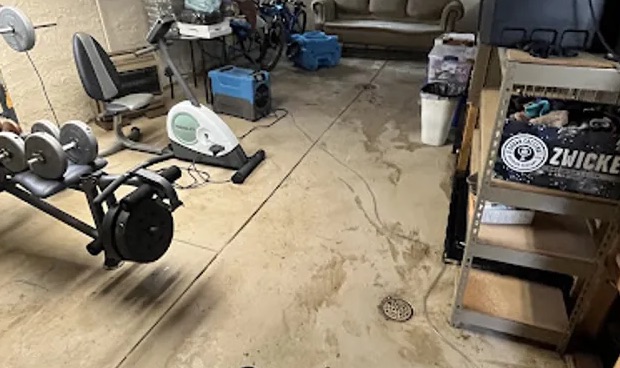
Expert Industrial Dehumidification in Thomaston, GA
In Thomaston, flooding in industrial buildings comes from broken supply lines, failed equipment or storms. Acting quickly limits lost work time and further damage.
Industrial dehumidification is a priority for large facilities in Thomaston and nearby areas like Yatesville, Molena and Culloden. Whether dealing with a burst pipe or ongoing humidity issues, local water damage pros apply commercial dehumidification techniques.
Industrial Dehumidification Services in Thomaston
Emergency Water Removal
Emergency water removal in Thomaston pulls floodwater out of the building so the industrial drying can start.
Mold Remediation Services
Extensive mold requires professional remediation to ensure occupant safety. Industrial dehumidification is a core part of stopping the mold lifecycle.
Industrial Humidity Reduction Systems
A building may need a dedicated system for ongoing humidity. Industrial dehumidification units integrate into HVAC or operate independently.
Structural Drying Services
When water soaks into a building's framework, surface drying is insufficient. Commercial drying experts set up a controlled environment with industrial dehumidifiers.
Warehouse Moisture Control
Controlling ambient humidity is crucial in warehouse storage. The pros install and monitor systems to maintain optimal moisture levels.
When to Call for Industrial Dehumidification in Thomaston
Noticeable Water Pooling
Standing water in a warehouse or industrial space needs to be removed before drying can start.
Soggy Inventory or Stock
Wet cardboard, damaged goods or damp raw materials mean humidity in the building is not under control.
Warped or Buckling Materials
Swollen wood, peeling paint or distorted flooring are signs of too much moisture in the building.
Musty Odors and Smells
A persistent earthy smell often points to hidden moisture in walls, ceilings or stored goods.
How Industrial Dehumidification Works in Thomaston
Step 1: Initial Water Damage Cleanup
Pumps and extractors remove the visible water to stop more damage and remove slip hazards.
Step 2: Establish Drying Environment
The area is closed off and dehumidifiers lower the humidity so moisture leaves the materials.
Step 3: Execute Structural Drying Plan
Air movers push air across wet surfaces so the water evaporates and the dehumidifiers collect it.
Step 4: Final Dryness Verification
The job ends when readings show the structure and contents are back to normal dryness.
Causes of Industrial Humidity Problems in Thomaston
Foundation Cracks and Seepage
Groundwater pushed up through cracks in slabs and walls keeps lower areas damp.
Natural Disasters and Severe Weather
Flash floods, torrential rain and other extreme events can soak large buildings and need large-scale drying.
Burst Pipes or Plumbing Leaks
Failed supply lines, faulty fittings, or cracked pipes can release thousands of gallons.
Appliance Malfunctions and Overflows
Water heater failures or broken process lines can flood large areas suddenly.
Industrial Dehumidification for Homes and Businesses in Thomaston
Residential Industrial Dehumidification
In homes, a slow roof leak can soak attic insulation and lead to mold. The experts in Thomaston dry the attic once the roof is repaired and clean up the wet areas.
Commercial Industrial Dehumidification
Data centers, labs and archives need steady humidity. After water damage, temporary dehumidification protects equipment and records until conditions are stable.
Industrial Dehumidification vs. DIY: When to Call the Pros
Throwing out ruined cardboard or soaked insulation is something a property manager can do. Building materials that may have mold should be removed by pros using containment.
What Influences Industrial Dehumidification Expense in Thomaston
Commercial cleanup costs for a facility in Georgia depend on how much water must be extracted and how long structural drying takes.
Access Complexity
Hard-to-reach areas in a warehouse or plant take longer to set up equipment in.
Mold Remediation Needs
If mold is found, containment, removal and air scrubbing are added to the job.
Drying Time Required
How long the dehumidifiers must run to reach dry readings is a main cost component.
Does Insurance Cover Industrial Dehumidification?
The pros provide the necessary documentation, including logs and moisture data, that the insurer typically needs to process and adjudicate the property owner's claim.
Advantages of Hiring Local Pros for Industrial Dehumidification in Thomaston
Humidity Reduction Systems
Dehumidifiers can stay in place until humidity in the building is stable.
Comprehensive Water Removal
The work starts with removing standing water and water soaked into materials.
Clear Process Communication
You get regular updates on drying progress and how long the job should take.
Emergency Water Damage Services in Thomaston
Major humidity issues or active flooding demand early professional help to protect building materials and contents. Dial (478) 779-1453 for 24/7 help with large-scale drying and moisture control from the pros.
Call Now (478) 779-1453Industrial Dehumidification Available Throughout Thomaston, Yatesville, Molena and Culloden
Businesses in Thomaston rely on professional humidity control and structural drying. Service is available locally and in nearby places including Yatesville, Molena and Culloden.
- Industrial Dehumidification in Yatesville
- Industrial Dehumidification in Molena
- Industrial Dehumidification in Culloden
- Industrial Dehumidification in Zebulon
- Industrial Dehumidification in Barnesville
- Industrial Dehumidification in Concord
- Industrial Dehumidification in Woodbury
- Industrial Dehumidification in Manchester
- Emergency Damage Restoration in 30286
- Storm Damage Restoration in 30286
- Water Damage Restoration in 30286
- Water Extraction Service in 30286
- Water Leak Detection in 30286
- Water Removal Service in 30286
Industrial Drying FAQ for Thomaston Clients
What is industrial dehumidification?
It is removing excess moisture from the air and materials in commercial or industrial buildings after water damage, using large dehumidifiers.
When is mold remediation necessary after flooding?
Mold remediation services become crucial if visible mold appears or if materials remain wet beyond 24-48 hours, allowing spores to activate.
How does commercial dehumidification differ from residential?
The focus extends beyond drying to include minimizing operational downtime and protecting sensitive inventory or machinery.
What is structural drying?
It removes moisture soaked into building materials like concrete slabs and walls so they do not decay or grow mold.
What does water damage cleanup involve?
Water extraction, moisture mapping of the building, placement of industrial dehumidifiers and air movers, daily monitoring and a final dryness check.