Deepstep, GA · Washington County
Industrial Dehumidification in Deepstep, GADisaster Recovery Drying & Warehouse Moisture Control
Industrial Dehumidification in Deepstep includes emergency water removal, commercial water damage cleanup and industrial flood damage restoration.
Answered 24/7
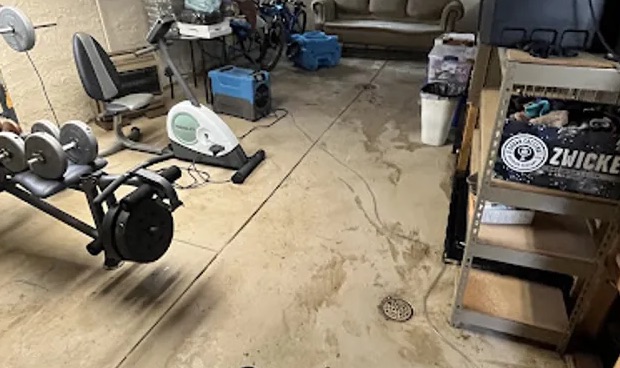
Industrial Dehumidification Solutions in Deepstep, Georgia
Data centers, storage rooms and archives need stable humidity. After water damage, condensation and corrosion can harm equipment and records.
Industrial dehumidification is a priority for large facilities in Deepstep and nearby areas like Sandersville, Tennille and Oconee. Whether dealing with a burst pipe or ongoing humidity issues, local water damage pros apply commercial dehumidification techniques.
Industrial Flood Damage Restoration in Deepstep
Disaster Recovery Drying
Disaster scenarios create complex drying challenges. The pros design a recovery plan centered on industrial dehumidification. The process involves drying contents and structure in tandem.
Warehouse Moisture Control
High warehouse humidity leads to condensation and product damage. The pros deploy industrial dehumidifiers to pull excess moisture from the air.
Structural Drying Services
Water-compromised materials must be dried from the inside out. The pros use specialized equipment to extract moisture trapped within concrete, wood, and drywall.
Emergency Water Removal
After a flood, standing water has to come out first. Pumps and extractors remove it so drying can begin.
Commercial Water Damage Cleanup
Leaks or floods in commercial properties need high-capacity dehumidifiers. Humidity control in expansive areas targets moisture in concrete slabs and behind walls.
Signs of Moisture Requiring Industrial Dehumidification in Deepstep
Equipment Rust or Corrosion
New rust on machinery or metal stock can come from damp air in the building.
Visible Mold
Black, green or white spots on walls or contents mean humidity has been high for too long.
Noticeable Water Pooling
Standing water in a warehouse or industrial space needs to be removed before drying can start.
Damp Insulation or Drywall
Wet materials behind walls or above ceilings stay wet for weeks without forced drying and can rot.
How Industrial Dehumidification Works in Deepstep
Step 1: Site Assessment and Inspection
An inspection finds the water sources, the wet materials and how much cleanup is needed.
Step 2: Containment and Water Removal
Containment is set up if needed, then industrial extractors remove the bulk water.
Step 3: Deploy Drying Equipment
Desiccant and refrigerant dehumidifiers and air movers are placed to dry the building.
Step 4: Continuous Monitoring and Adjustment
Equipment runs around the clock, and humidity is checked so the setup can be adjusted as areas dry.
Sources of Moisture in Industrial and Commercial Buildings
Process Water or Chemical Spills
Industrial processes that use liquids carry a constant risk of accidental spills and releases.
Fire Suppression System Activation
A sprinkler discharge can leave a large amount of water to extract and dry.
Appliance Malfunctions and Overflows
Water heater failures or broken process lines can flood large areas suddenly.
Natural Disasters and Severe Weather
Flash floods, torrential rain and other extreme events can soak large buildings and need large-scale drying.
Professional Industrial Dehumidification for Any Property in Deepstep
Residential Industrial Dehumidification
In homes, a slow roof leak can soak attic insulation and lead to mold. Local water damage restoration pros in Deepstep dry the attic once the roof is repaired and clean up the wet areas.
Commercial Industrial Dehumidification
Data centers, labs and archives need steady humidity. After water damage, temporary dehumidification protects equipment and records until conditions are stable.
Industrial Dehumidification vs. DIY: When to Call the Pros
For a small spill of clean water, a mop or wet vacuum is fine. If water has soaked into drywall, flooring or subfloor, call (478) 779-1453 so it can be dried before it rots or grows mold.
Understanding Industrial Dehumidification Costs in Deepstep
The cost of temporary dehumidification depends on the size of the building, the humidity target and whether concrete needs special drying.
Water Contamination Level
Clean, gray and black water need different safety steps and cleanup methods.
Emergency Service Timing
After-hours or 24/7 calls may be billed at a different rate than a scheduled visit.
Mold Remediation Needs
If mold is found, containment, removal and air scrubbing are added to the job.
Does Insurance Cover Industrial Dehumidification?
The pros provide detailed documentation of the damage, including moisture maps and photographic evidence, to support the property owner's claim submission for review.
The Value of Local Pros for Industrial Dehumidification in Deepstep
Industrial-Grade Equipment
High-capacity dehumidifiers and air movers are sized for warehouses and other large spaces.
Clear Process Communication
You get regular updates on drying progress and how long the job should take.
Structural Material Knowledge
Concrete, wood and drywall dry at different rates, and the plan accounts for each.
24/7 Emergency Industrial Dehumidification in Deepstep
Standing water left in a building can lead to mold within a day or two. Call (478) 779-1453 to reach the pros for commercial water cleanup and humidity control, any hour.
Call Now (478) 779-1453Local Industrial Dehumidification Areas: Deepstep and Beyond
The places below are also served, and each one has its own page.
- Industrial Dehumidification in Sandersville
- Industrial Dehumidification in Tennille
- Industrial Dehumidification in Oconee
- Industrial Dehumidification in Toomsboro
- Industrial Dehumidification in Milledgeville
- Industrial Dehumidification in Abbeville
- Industrial Dehumidification in Rochelle
- Industrial Dehumidification in Chauncey
Frequently Asked Questions About Industrial Dehumidification
What areas need drying after a warehouse flood?
All wet areas: floors, walls, stored contents and often the subfloor and insulation as well.
How is drying progress monitored?
The pros take moisture readings from materials and the air each day and keep drying logs that show progress.
What are humidity reduction systems?
Dehumidifiers that stay in place to hold humidity at a set level in sensitive spaces like data centers, archives or plants after water damage.
How long does industrial flood damage restoration take?
It depends on how much water there was, what got wet and the humidity. Large jobs often take several days to a few weeks.
What tools do water damage restoration pros use for moisture control?
Local pros use an array of tools including penetrating and non-penetrating moisture meters, thermal imaging cameras, industrial-grade dehumidifiers, and high-volume air movers.