Greensboro, GA · Greene County
Basement Water Removal in Greensboro, GABasement Drying Services & Basement Dehumidification
Basement Water Removal in Greensboro covers basement water pump out, basement wall drying and basement dehumidification after a flood.
Answered 24/7
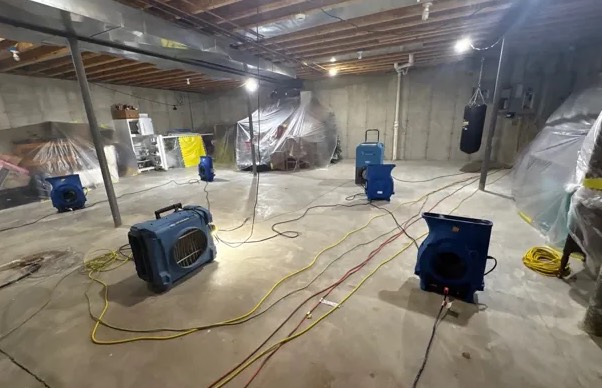
Local Basement Water Removal Services for Greensboro
Basement Water Removal in Greensboro starts with safety. Water near the furnace, water heater or electrical panel can be dangerous, so power is made safe before anyone steps into it.
Homes in Greensboro and nearby Eatonton with basements face storm seepage, sewer backups and plumbing leaks. Help with basement water removal covers pump-out, wall and floor drying and dehumidification.
Comprehensive Basement Water Removal Solutions
Basement Drying Services
After pumping, air movers and dehumidifiers dry the walls, framing and slab. Readings are taken daily until every surface is back to normal.
Basement Dehumidification
Dehumidifiers run continuously during drying, and their output is checked to track how much water is still coming out of the materials.
Sump Pump Failure Water Cleanup
When a sump pump stops, groundwater spreads across the floor. The water is pumped out and the floor and lower walls are extracted.
Basement Wall Drying
Opening the bottom of finished walls lets air reach the studs and sill plate, which otherwise stay wet behind the drywall.
Basement Floor Water Damage
Water on a basement floor soaks into carpet pad, laminate seams and the concrete itself. Floor coverings are lifted where needed so the slab can dry.
Indicators You Need Professional Water Removal
Warped or Buckling Flooring
Flooring that buckles, lifts or feels spongy has water trapped between it and the slab.
Water Stains on Walls or Ceiling
Stains on lower walls or the ceiling below a bathroom or kitchen point to a leak.
Standing Water in Basement
Standing water anywhere on the basement floor needs to be pumped out before it soaks the walls.
Mold or Mildew
Dark spots on drywall, framing or stored items mean the area has stayed wet for days.
How Basement Water Removal Works in Greensboro
Step 1: First Call and Initial Assessment
The source, the type of water and the depth are checked, and the water level is photographed.
Step 2: Bulk Water and Contaminant Removal
Pumps remove standing water, and carpet, pad or drywall touched by dirty water is removed.
Step 3: Drying With Monitoring
Dehumidifiers and air movers run around the clock, with readings logged every day on walls and slab.
Step 4: Post-Drying Evaluation and Documentation
Final readings and photos are compiled to show the basement is dry and what was removed.
Sources of Basement Water Problems
Window Well Leaks and Drainage
Window wells without drains or covers fill with rain and leak through the windows.
Foundation Cracks and Seepage
Cracks in foundation walls and the slab let groundwater seep in during wet weather.
Heavy Rainfall and Storm Flooding
Heavy rain saturates the soil and pushes water through walls, cracks and the floor joint.
Sump Pump Malfunction or Power Loss
A sump pump that fails mechanically or loses power during a storm lets groundwater rise.
Basement Water Removal for Homes and Businesses
Residential Basement Water Removal
In homes, a wet basement often means damaged carpet, drywall and stored belongings, plus a furnace or water heater sitting in water. Water is pumped out and the space dried.
Commercial Basement Water Removal
In commercial buildings, basements often house mechanical rooms and storage. Water is removed so systems can be checked to determine whether they can be restarted safely.
Basement Water Removal vs. DIY: When to Call the Pros
Fans by themselves can spread damp basement air through the rest of the house. Basement drying needs dehumidifiers that pull moisture out of both the air and the concrete.
Investing in Professional Basement Water Removal
A basement pumped out the same day in Greensboro usually needs less drywall and flooring replaced than one left wet for days.
Additional Services
Antimicrobial treatment, contents cleaning and repairs after drying add to the cost.
Drying Time Required
Basements dry slowly, and each extra day of equipment adds to the total.
Time of Service
Night, weekend and storm calls can cost more than a scheduled weekday visit.
Does Insurance Cover Basement Water Removal?
Ask your adjuster early how your policy treats seepage and sewer backups, since many policies limit or exclude both kinds of water.
Why Greensboro Homeowners Trust Local Pros for Basement Water Removal
Clear Communication
You get plain updates on what was found, what was removed and how drying is going.
Advanced Drying Equipment
Pumps, extractors and large dehumidifiers remove water much faster than household tools.
Focus on Drying Outcomes
Drying continues until readings are normal, not just until surfaces look dry.
24/7 Basement Water Removal When You Need It
Standing water in a basement soaks walls and floors by the hour. Call (478) 779-1453 for basement water removal in Greensboro at any time, day or night.
Call Now (478) 779-1453Basement Water Removal Serving Greensboro and Surroundings
Each place listed below has its own page with local details.
- Basement Water Removal in Eatonton
- Basement Water Removal in Milledgeville
- Basement Water Removal in Monticello
- Basement Water Removal in Haddock
- Basement Water Removal in Hillsboro
- Basement Water Removal in Gray
- Basement Water Removal in Sandersville
- Basement Water Removal in Gordon
- Emergency Damage Restoration in 30642
- Storm Damage Restoration in 30642
- Water Damage Restoration in 30642
- Water Extraction Service in 30642
- Water Leak Detection in 30642
- Water Removal Service in 30642
Answers to Top Basement Water Removal Queries
How is basement wall drying done?
Wet drywall is cut back, insulation removed and directed airflow and dehumidifiers dry the studs and masonry.
How is contaminated water handled in a basement?
With protective gear, containment, removal of porous materials and disinfection of hard surfaces before drying.
What causes basement floor water damage?
Storm seepage, burst pipes, appliance leaks, foundation cracks and sewer backups through floor drains are the usual sources.
What should I do right after basement flooding?
Make power safe, avoid sewage, move belongings above the water, take photos and call for water removal.
What happens during basement moisture control?
Dehumidifiers and air movers keep humidity low while materials dry, and readings confirm when the space is normal.