Greensboro, GA · Greene County
Emergency Water Extraction in Greensboro, GASewage Backup Cleanup & Emergency Water Damage Cleanup
Emergency Water Extraction in Greensboro runs from standing water removal and emergency flood water extraction to wet drywall water removal.
Answered 24/7
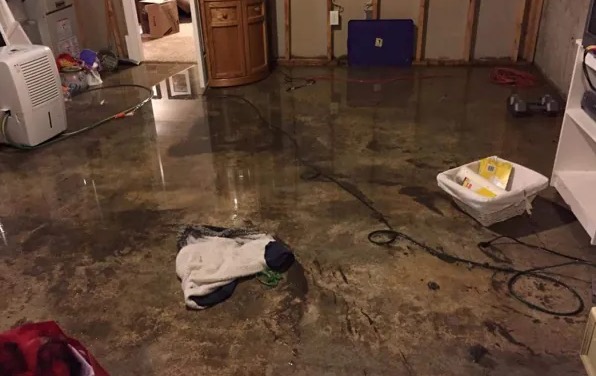
Local Emergency Water Extraction for Greensboro Water Damage
A water emergency in a Greensboro business can close the doors. Extraction is planned so the space can reopen as soon as possible.
In Greensboro and Eatonton, storms can send water into many homes at once. Emergency Water Extraction prioritizes standing water and spreading leaks so damage stops growing.
Complete Emergency Water Extraction Solutions for Greensboro
Sewage Backup Cleanup
Sewage cleanup is never just drying. Contaminated materials must come out first so the area is safe again.
Emergency Water Damage Cleanup
Help is available any hour, because cleanup that waits until morning usually means more materials to remove.
Flooded Basement Water Removal
Lower levels dry slowly, so drying continues until the slab and walls read normal before any repairs begin.
Wet Drywall Water Removal
Small holes near the base of the wall let dry air into the cavity, which dries the studs and back of the drywall.
Emergency Flood Water Extraction
Floodwater from outside is treated as contaminated, so extraction is followed by removal of soaked porous materials and cleaning.
When to Call for Emergency Water Extraction in Greensboro
Buckling Hardwood Floors
Hardwood that cups or buckles has absorbed water from a leak above or below it.
Dripping Sounds or Leaks
Dripping or running water sounds when nothing is on mean a leak is still active somewhere.
High Indoor Humidity Levels
A room that feels humid and clammy after a leak still has wet materials releasing moisture.
Water Stains on Walls
Fresh stains on walls or ceilings show water is spreading from a leak nearby or above.
How Emergency Water Extraction Works in Greensboro
Step 1: Initial Water Damage Evaluation
Meters and thermal cameras show how far the water spread beyond what is visible.
Step 2: Standing Water Removal
Standing water is pumped out, and wet debris and soaked materials are cleared away.
Step 3: Structural Drying and Air Scrubbing
Drying equipment runs continuously, and air scrubbers filter dust from any removal work.
Step 4: Claim-Ready Damage Reporting
Photos, readings, removal lists and drying logs are organized into a report for the adjuster.
Frequent Sources of Water Damage in Greensboro
Fire Suppression System Activation
Damaged or triggered fire sprinkler heads can soak a room or a whole floor quickly.
Severe Weather and Flooding
Heavy storms and flooding push water into homes and businesses through doors, walls and roofs.
Human Error or Accidental Spills
Tubs and sinks left running, and other everyday accidents, can flood rooms and the floor below.
Burst or Leaking Pipes
Pipes can crack or burst from age, pressure or cold weather, releasing water fast.
Both Residential & Commercial Emergency Water Extraction in Greensboro
Residential Emergency Water Extraction
Families often want to save carpet and flooring. Fast extraction of clean water makes that possible in many cases.
Commercial Emergency Water Extraction
Property managers with several units get separate extraction and drying records, with photos, for each affected unit or suite.
The Risks of DIY Emergency Water Extraction in Greensboro
A shop vac picks up shallow water on hard floors, but it cannot pull water from carpet pad, wall cavities or subfloors. Those need professional extraction equipment.
What Affects Emergency Water Extraction Pricing in Greensboro
After-hours calls, contents handling and drywall or carpet removal all add to the total for emergency water extraction in Greensboro.
Water Source and Type
Clean water costs less to extract and dry than sewage or floodwater, which needs disinfection.
Required Drying Time
Drying usually takes several days, and each extra day of equipment adds to the total.
Necessary Demolition Work
Carpet pad, drywall and flooring that must be removed add labor and disposal costs.
Does Insurance Cover Emergency Water Extraction?
Many homeowner policies cover sudden water damage, like a burst pipe, but exclude outside flooding and sometimes sewer backups. Check your policy and call your insurer early.
Advantages of Hiring Local Pros for Emergency Water Extraction in Greensboro
Documentation for Insurance
Photos, readings and drying logs are kept from the first visit to support your insurance claim.
Sewage Safety
Sewage is extracted with protective gear, and contaminated areas are cleaned and disinfected.
Structural Drying
Walls, subfloors and framing are dried until readings are normal, not just the visible surfaces.
Always-Available Emergency Water Extraction for Greensboro
Water spreading in Greensboro? Shut off the main, turn off power to wet rooms if safe and call (478) 779-1453. Emergency extraction is available 24/7.
Call Now (478) 779-1453Emergency Water Extraction in Greensboro and Other Areas Served
Each place listed below has its own page with local details.
- Emergency Water Extraction in Eatonton
- Emergency Water Extraction in Milledgeville
- Emergency Water Extraction in Monticello
- Emergency Water Extraction in Haddock
- Emergency Water Extraction in Hillsboro
- Emergency Water Extraction in Gray
- Emergency Water Extraction in Sandersville
- Emergency Water Extraction in Gordon
- Emergency Damage Restoration in 30642
- Storm Damage Restoration in 30642
- Water Damage Restoration in 30642
- Water Extraction Service in 30642
- Water Leak Detection in 30642
- Water Removal Service in 30642
Frequently Asked Questions About Emergency Water Extraction
What is emergency water extraction?
Removing standing water from a home or business right away after a leak, flood or backup, using pumps and extractors, then starting drying.
How is wet drywall handled during water removal?
Lightly damp drywall is dried through small holes near the base. Soaked drywall is cut out so the cavity can dry.
What is the process for flood water extraction?
Make power safe, pump out deep water, extract floors and carpet, remove contaminated materials and dry the structure.
What does emergency water damage cleanup include?
Extracting water, clearing wet debris, moving belongings, cleaning dirty-water areas and setting up drying equipment.
What is moisture inspection and why is it needed?
Checking walls, floors and ceilings with meters and thermal cameras to find water that is not visible after extraction.