Perry, GA · Houston County
Basement Water Damage Restoration in Perry, GABasement Sewer Backup Cleanup & Basement Mold Prevention
Basement Water Damage Restoration in Perry includes emergency basement flood cleanup, basement sewer backup cleanup and basement wall drying.
Answered 24/7
Professional Basement Water Damage Restoration in Perry, GA
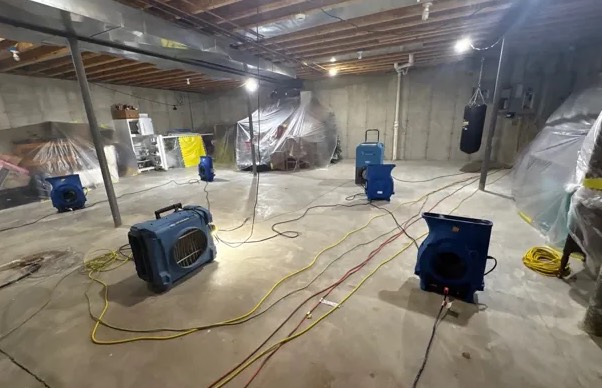
Basement Water Damage Restoration in Perry covers finished and unfinished basements. A bare concrete basement can often be pumped and dried. A finished one usually needs carpet, pad and lower drywall removed so the walls and slab can dry.
A finished basement or lower level in Perry or Kathleen, Elko and Bonaire can hide old moisture behind drywall and flooring. The pros find the water and dry the space before more damage sets in.
Professional Basement Water Damage Restoration Offered in Perry
Basement Sewer Backup Cleanup
After a sewer backup, cleanup and disinfection come before drying, so contaminated surfaces are not left in place.
Basement Mold Prevention
Keeping basement humidity low after drying helps prevent mold from returning, especially in finished spaces.
Basement Drying Services
Equipment is adjusted each day based on moisture readings until every material reaches its normal level.
Basement Water Extraction
Submersible pumps remove deep standing water, then portable extractors pull water from carpet, pad and the concrete floor.
Basement Floor Water Removal
Wet carpet pad is removed from basement floors, since it holds water against the concrete and dries poorly.
Indicators for Basement Water Damage Restoration in Perry
Damp or Musty Odors
A damp, earthy or musty smell in the basement often means hidden moisture in walls, carpet or the slab.
Standing Water in the Basement
Any standing water on the basement floor needs pumping right away, before it soaks walls and framing.
Wet or Stained Basement Walls
Dark, wet patches or tide lines on basement walls show where water seeped in or wicked up.
Peeling Paint or Wallpaper
Paint that peels or blisters on basement walls often has moisture behind it.
How Basement Water Damage Restoration Works in Perry
Step 1: Source Control and Extraction
The pipe is shut off, the sump restarted or the backup stopped, then the water is pumped out.
Step 2: Structural Drying Setup
Lower drywall is removed where soaked, and equipment is placed to dry wall cavities and the slab.
Step 3: Contaminant Removal
Materials touched by sewage or dirty water are removed and hard surfaces are cleaned and disinfected.
Step 4: Monitoring and Completion
Daily readings track drying until every material is normal, then equipment is removed.
Why Basement Water Damage Occurs in Perry
Clogged Floor Drains
A floor drain blocked by debris cannot carry off water from a leak or overflow, so it spreads across the basement floor.
Faulty Basement Waterproofing
Old or failed waterproofing on foundation walls lets water through during wet weather.
Water Heater or Appliance Leaks
Water heaters, washers and utility sinks in the basement can leak or fail without warning.
HVAC Condensate Line Overflow
A clogged furnace or air conditioner condensate line can overflow onto the floor of a basement or lower-level utility room.
Basement Water Damage Restoration for Homes and Businesses in Perry
Residential Basement Water Damage Restoration
In homes, a flooded basement often means damaged carpet, drywall, a furnace or water heater and stored belongings. Water is pumped out, contents are moved and the space is dried.
Commercial Basement Water Damage Restoration
In commercial buildings, basements hold mechanical rooms, storage and sometimes offices. Water is removed and equipment areas are dried so systems can be checked and restarted.
Professional Basement Water Damage Restoration or DIY in Perry?
Fans alone can push damp air into the rest of the house. Basement drying needs dehumidifiers to pull the moisture out of the air and the concrete.
What Influences Basement Water Damage Restoration Cost in Perry
Before pricing basement water damage restoration in Perry, the pros check the water depth, the type of water and what the basement is finished with.
Emergency Service
Night, weekend and storm calls can cost more than a scheduled visit.
Access Complexity
Narrow stairs, low ceilings and stored contents can make the work slower.
Water Category
Clean water costs less to handle than sewage, which needs protective gear, removal and disinfection.
Does Insurance Cover Basement Water Damage Restoration?
Coverage for groundwater seepage and backups varies widely between policies. Ask your adjuster whether your policy includes it before work begins.
Advantages of Hiring Local Pros in Perry for Basement Water Damage Restoration
Detailed Documentation
Photos, readings and drying logs are kept to support your insurance claim.
Water Type Handling
Clean water, gray water and sewage are each handled with the right protection and removal steps.
Water Extraction First
Water is removed from floors, carpet and pad before drying starts, which shortens drying time.
Round-the-Clock Emergency Basement Water Damage Restoration in Perry
Water rising in your basement in Perry? Shut off power to the basement if it is safe, move what you can and call (478) 779-1453. Help is available 24/7.
Call Now (478) 779-1453Regions Served for Basement Water Damage Restoration Near Perry
Nearby areas served for basement water damage restoration include Kathleen, Elko and Bonaire, with the same pumping and drying steps used in Perry.
- Basement Water Damage Restoration in Kathleen
- Basement Water Damage Restoration in Elko
- Basement Water Damage Restoration in Bonaire
- Basement Water Damage Restoration in Fort Valley
- Basement Water Damage Restoration in Centerville
- Basement Water Damage Restoration in Warner Robins
- Basement Water Damage Restoration in Byron
- Basement Water Damage Restoration in Marshallville
- Emergency Damage Restoration in 31069
- Storm Damage Restoration in 31069
- Water Damage Restoration in 31069
- Water Extraction Service in 31069
- Water Leak Detection in 31069
- Water Removal Service in 31069
Basement Water Damage Restoration FAQs
What are signs of hidden moisture after below-grade water extraction?
Musty smells, tide lines on walls, damp carpet edges and moisture readings that stay high in walls or the slab.
What is the priority during emergency basement flood cleanup?
Safety first, especially electrical hazards, then stopping the source and pumping out the water as quickly as possible.
How is basement restoration documented for insurance?
With photos of the water level and damage, moisture readings, a list of removed materials and daily drying logs.
What causes the most common below-grade leaks in homes?
Sump pump failures, foundation cracks, clogged drain tile, sewer backups and burst pipes in the basement ceiling.
Does basement mold prevention need special steps after flooding?
Fast drying is the main step. Wood and concrete that stayed wet can be treated with an antimicrobial once dry.