Fort Valley, GA · Peach County
Basement Water Damage Restoration in Fort Valley, GABasement Dehumidification & Basement Mold Prevention
Basement Water Damage Restoration in Fort Valley runs from basement water extraction and basement floor water removal to basement dehumidification.
Answered 24/7
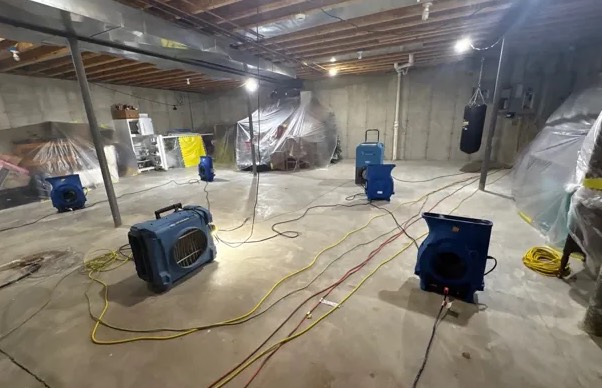
Professional Basement Water Damage Restoration in Fort Valley, GA
Basement Water Damage Restoration in Fort Valley covers finished and unfinished basements. A bare concrete basement can often be pumped and dried. A finished one usually needs carpet, pad and lower drywall removed so the walls and slab can dry.
Homeowners in Fort Valley can call (478) 779-1453 day or night when water is rising in the basement. Service also covers Marshallville, Byron and Perry, with the same pumping and drying steps.
Basement Water Damage Restoration Services in Fort Valley
Basement Dehumidification
Large dehumidifiers pull moisture from the basement air so walls, framing and the slab can release their water.
Basement Mold Prevention
Keeping basement humidity low after drying helps prevent mold from returning, especially in finished spaces.
Basement Floor Water Removal
Water on a concrete floor is squeegeed and extracted, and floor coverings such as carpet, vinyl or laminate are lifted to dry the slab.
Basement Water Extraction
Submersible pumps remove deep standing water, then portable extractors pull water from carpet, pad and the concrete floor.
Basement Wall Drying
Finished basement walls hide wet insulation and framing. Removing the bottom of the drywall lets air reach the cavity.
Warning Signs You Need Basement Water Damage Restoration
Wet or Stained Basement Walls
Dark, wet patches or tide lines on basement walls show where water seeped in or wicked up.
Rusted Appliances or Pipes
Rust on the water heater, furnace base or pipes points to repeated moisture or past flooding.
Damp or Musty Odors
A damp, earthy or musty smell in the basement often means hidden moisture in walls, carpet or the slab.
Standing Water in the Basement
Any standing water on the basement floor needs pumping right away, before it soaks walls and framing.
How Basement Water Damage Restoration Works in Fort Valley
Step 1: Floodwater Pump-Out
Submersible pumps remove deep water, and electrical hazards are checked before anyone walks in it.
Step 2: Deep Moisture Extraction
Extractors pull water from carpet, pad and the concrete floor after the deep water is gone.
Step 3: Air Circulation and Drying
Air movers keep dry air moving across walls and floors throughout the basement.
Step 4: Dehumidification and Verification
Dehumidifiers run until humidity and material readings confirm the basement is dry.
Frequent Sources of Water Damage in Fort Valley
Stormwater Runoff Into Lower Levels
Heavy rain running off hard ground or a sloped yard can pour down stairwells and under doors into below-grade rooms.
Water Heater or Appliance Leaks
Water heaters, washers and utility sinks in the basement can leak or fail without warning.
Failed or Clogged Drain Tile
Clogged or collapsed drain tile around the foundation lets water build up against the walls.
Faulty Basement Waterproofing
Old or failed waterproofing on foundation walls lets water through during wet weather.
Basement Water Damage Restoration for Homes and Businesses in Fort Valley
Residential Basement Water Damage Restoration
Finished basements used as living space need carpet, pad and lower drywall checked carefully. Soaked materials are removed so the walls and slab can dry.
Commercial Basement Water Damage Restoration
Businesses with below-grade storage need inventory moved out of the water quickly. Wet stock is separated and documented for insurance.
Basement Water Damage Restoration: Professional Help vs. Doing It Yourself in Fort Valley
Fans alone can push damp air into the rest of the house. Basement drying needs dehumidifiers to pull the moisture out of the air and the concrete.
Cost Considerations for Basement Water Damage Restoration in Fort Valley
The cost of basement water damage restoration in Fort Valley depends on how much water there is, whether it is clean or sewage and how much finished material must be removed.
Emergency Service
Night, weekend and storm calls can cost more than a scheduled visit.
Drying Time Required
Basements dry slowly, and longer drying means more equipment days and monitoring visits.
Water Category
Clean water costs less to handle than sewage, which needs protective gear, removal and disinfection.
Does Insurance Cover Basement Water Damage Restoration?
Photograph the water level, damaged belongings and appliances before cleanup starts, and keep receipts for emergency pumping and drying to send to your insurer.
Benefits of Local Pros for Basement Water Damage Restoration in Fort Valley
Advanced Moisture Detection
Moisture meters and thermal cameras find water in walls and slabs that looks dry.
Detailed Documentation
Photos, readings and drying logs are kept to support your insurance claim.
Industrial-Grade Equipment
Pumps, extractors and large dehumidifiers remove water much faster than household wet vacs and fans.
Round-the-Clock Emergency Basement Water Damage Restoration in Fort Valley
Sewage coming up through a floor drain? Stop using water in the house and call (478) 779-1453 now for basement water damage restoration in Fort Valley.
Call Now (478) 779-1453Basement Water Damage Restoration Near Fort Valley: Areas Served
Need basement water damage restoration outside Fort Valley? Service also covers Marshallville, Byron and Perry, including emergency help during storms.
- Basement Water Damage Restoration in Marshallville
- Basement Water Damage Restoration in Byron
- Basement Water Damage Restoration in Perry
- Basement Water Damage Restoration in Reynolds
- Basement Water Damage Restoration in Centerville
- Basement Water Damage Restoration in Roberta
- Basement Water Damage Restoration in Warner Robins
- Basement Water Damage Restoration in Lizella
- Emergency Damage Restoration in 31030
- Storm Damage Restoration in 31030
- Water Damage Restoration in 31030
- Water Extraction Service in 31030
- Water Leak Detection in 31030
- Water Removal Service in 31030
Frequently Asked Questions About Basement Water Damage Restoration
Can wet basement drywall be saved after water damage?
Sometimes, if the water was clean and removed quickly. Soaked or sewage-contaminated drywall is cut out above the water line.
What does below-grade moisture removal include beyond pumping?
Extracting carpet and pad, opening wet walls, running air movers and dehumidifiers, and checking readings until dry.
What is the priority during emergency basement flood cleanup?
Safety first, especially electrical hazards, then stopping the source and pumping out the water as quickly as possible.
What causes the most common below-grade leaks in homes?
Sump pump failures, foundation cracks, clogged drain tile, sewer backups and burst pipes in the basement ceiling.
What health risks come with delayed basement flood cleanup?
Standing water and wet materials can support bacteria and microbial growth, and sewage carries contaminants that need disinfection.