Dry Branch, GA · Bibb County
AC Unit Water Removal in Dry Branch, GAAC Leak Mold Prevention & Emergency AC Water Removal
AC Unit Water Removal in Dry Branch runs from emergency AC water removal and AC leak water cleanup to air conditioner restoration services.
Answered 24/7
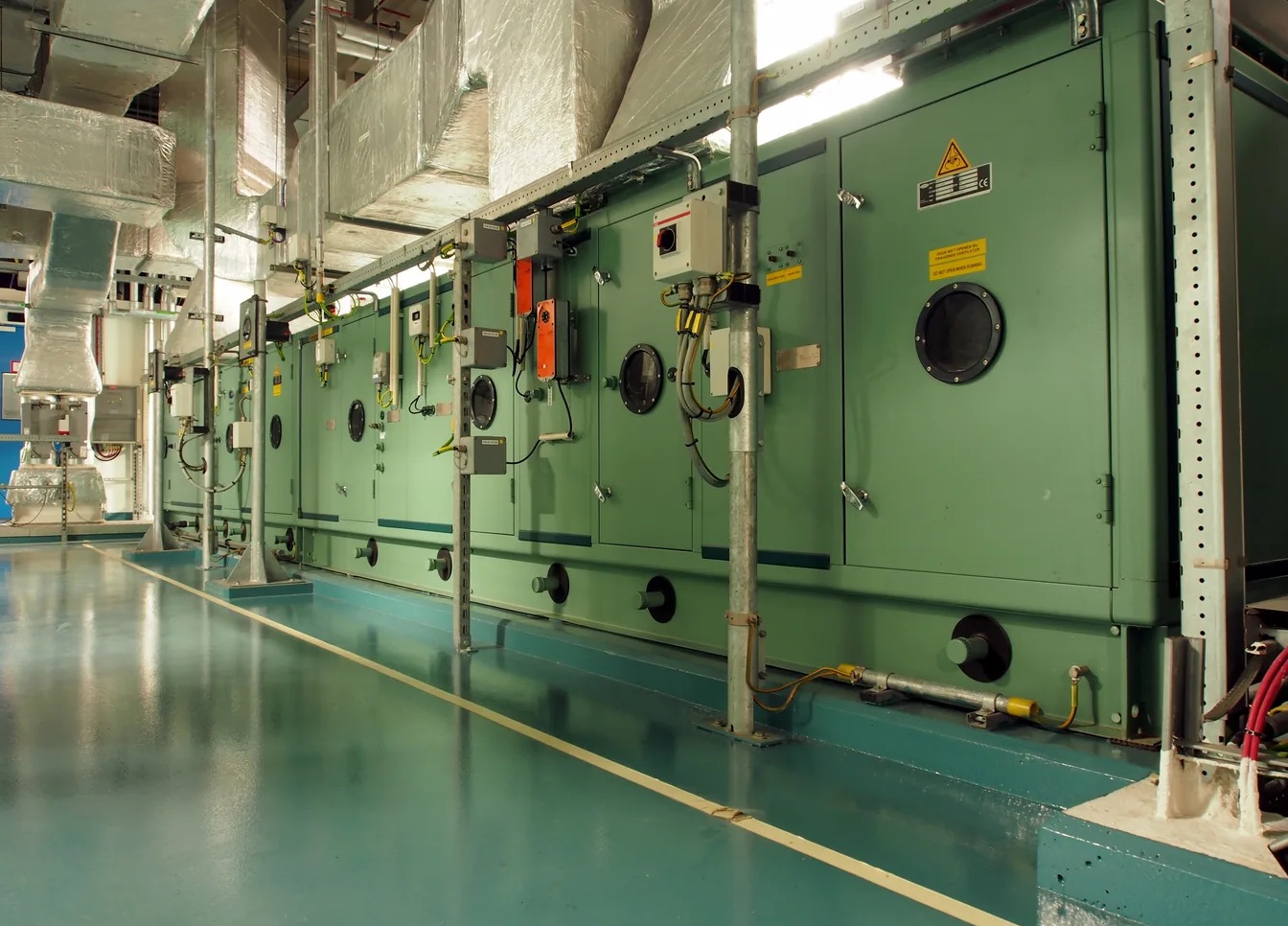
Local AC Unit Water Removal Services in Dry Branch, Georgia
Attic air handlers in Dry Branch leak straight into the ceiling below. A sagging or stained ceiling under the unit means water is already in the drywall and possibly the insulation above it.
Property owners in Dry Branch can call (478) 779-1453 day or night when an air handler starts leaking. Service also covers Franklinton, Griswoldville and Huber, with the same extraction, drain clearing and drying process for attic, closet and garage units in houses, condos and apartments.
AC Unit Water Removal Services in Dry Branch
AC Leak Mold Prevention
Once materials are dry, an EPA-registered antimicrobial can be applied to wet wood and drywall near the unit to slow microbial growth.
Emergency AC Water Removal
A sudden AC flood can soak a ceiling or floor in hours. Emergency removal gets the water out before it spreads into framing and insulation.
AC Condensate Drain Clearing
A clogged condensate line is the most common reason an AC unit leaks. The pros flush out algae and sludge so condensate drains away again.
AC Leak Water Extraction
Extractors and pumps pull water from carpet, pad and hard floors around the unit, then hidden moisture is mapped in the subfloor.
Air Conditioner Restoration Services
Restoration covers the repairs left after a leak: cut-out drywall, stained ceilings, swollen baseboards and soaked insulation.
Warning Signs You Need AC Unit Water Removal
Musty Odors From Vents
A musty smell when the AC starts often means standing water in the pan or wet insulation in the ducts.
AC Unit Circuit Breaker Trips
Water reaching electrical parts can trip the breaker. Shut the unit off and call before resetting it again.
Wet AC Unit Components
Damp coils, a wet blower compartment or moisture around wiring inside the cabinet mean water is collecting where it should not.
Unusual AC System Noises
Gurgling or dripping sounds from the unit can mean water is backing up in the drain line.
How AC Unit Water Removal Works in Dry Branch
Step 1: AC Unit Flood Cleanup
Water is extracted to help limit further soaking of insulation, framing and the ceiling below.
Step 2: Drain Line Diagnosis and Clearing
The drain line is inspected for clogs, sags or loose fittings and cleared so water drains outside.
Step 3: Structural and Unit Drying
Air movers and dehumidifiers run around the unit, with daily moisture checks on walls and floors.
Step 4: System Check and Cleanup
The pan is cleaned, the drain is tested with water and the area is left dry.
Why AC Units Leak and Need Water Removal
Disconnected Drain Line
A drain line knocked loose in the attic or closet empties condensate onto the ceiling or floor.
Damaged AC Drain Pan
Metal pans rust through and plastic pans crack with age, letting water drip straight through.
High Static Pressure in Ducts
Restricted ducts can pull water off the coil and blow it into the cabinet or ductwork.
Dirty Air Filters
A clogged filter cuts airflow, which can freeze the coil and cause overflow when it melts.
Expert AC Unit Water Removal for Any Property in Dry Branch
Residential AC Unit Water Removal
In apartments and condos, an AC leak can spread through the floor or ceiling to the unit below. Fast extraction limits the spread and the number of neighbors affected.
Commercial AC Unit Water Removal
In restaurants and retail spaces, water near equipment, wiring and walkways is removed first. That reduces slip and electrical hazards while the rest of the area dries.
Why DIY AC Water Removal Often Fails in Dry Branch
Box fans move air across a wet surface, but they often leave water trapped in wall cavities and under flooring. Professional drying uses moisture readings to confirm the hidden areas behind walls and under floors are dry too.
AC Unit Water Removal Cost in Dry Branch, GA
After-hours calls, the number of rooms affected, the drying time and any drywall or ceiling repairs all change the total for AC unit water removal in Dry Branch.
Emergency Service Timing
After-hours and holiday response can cost more than a scheduled weekday visit.
Secondary Damage Presence
Wet ceilings, swollen baseboards or damp framing add removal and repair work to the job.
Affected Component Count
The more of the system that got wet, such as the blower, panels and insulation, the more drying time is needed.
Does Insurance Cover AC Unit Water Removal?
Photos, moisture readings and a written scope from local water damage pros help support an insurance claim for AC water damage in Dry Branch. Keep copies of everything you send your adjuster, along with your own photos.
The Value of Local Pros for AC Unit Water Removal in Dry Branch
Air Conditioner Restoration Focus
Drywall, trim and ceiling repairs can be handled after drying, so one job covers the whole leak.
Industry Drying Standards
Drying follows industry water damage standards, with moisture readings at each visit.
Leak Source Identification
The pros trace the leak to its source, whether that is a clog, a cracked pan or a failed pump.
24/7 Emergency AC Unit Water Removal Response in Dry Branch
Water from an air handler spreads fast through drywall and carpet. Call (478) 779-1453 for emergency AC unit water removal in Dry Branch at any time of the day or night.
Call Now (478) 779-1453AC Unit Water Removal Service Area Including Dry Branch
Nearby areas served for AC unit water removal include Franklinton, Griswoldville and Huber, with the same extraction and drying process used in Dry Branch.
- AC Unit Water Removal in Franklinton
- AC Unit Water Removal in Griswoldville
- AC Unit Water Removal in Huber
- AC Unit Water Removal in Macon
- AC Unit Water Removal in Rutland
- AC Unit Water Removal in Jeffersonville
- AC Unit Water Removal in Avondale
- AC Unit Water Removal in Sofkee
- Emergency Damage Restoration in 31020
- Storm Damage Restoration in 31020
- Water Damage Restoration in 31020
- Water Extraction Service in 31020
- Water Leak Detection in 31020
- Water Removal Service in 31020
AC Unit Water Removal FAQs
How does antimicrobial treatment help after an AC leak?
Once surfaces are dry, an antimicrobial can be applied to wood and drywall that stayed wet to slow microbial growth.
Is air conditioner restoration separate from water removal?
Yes. Water removal and drying come first. Restoration covers repairs afterward, such as replacing drywall or ceiling panels.
What equipment is used to dry AC leak damage?
Extractors, air movers, dehumidifiers and moisture meters, plus wet vacs or pumps for the drain line.
How quickly should I deal with an AC leak?
Right away. Water that sits for more than a day or two soaks into drywall and insulation and raises the risk of microbial growth.
Can an AC condensation leak damage the ceiling?
Yes. Attic units leak straight into the drywall below, causing stains, sagging and eventually collapse if left alone.