Concord, GA · Pike County
Water Heater Burst Water Removal in Concord, GAWater Damaged Floor Removal & Water Heater Flood Water Removal
Water Heater Burst Water Removal in Concord handles wet drywall removal after burst, water damaged floor removal, and emergency burst heater cleanup.
Answered 24/7
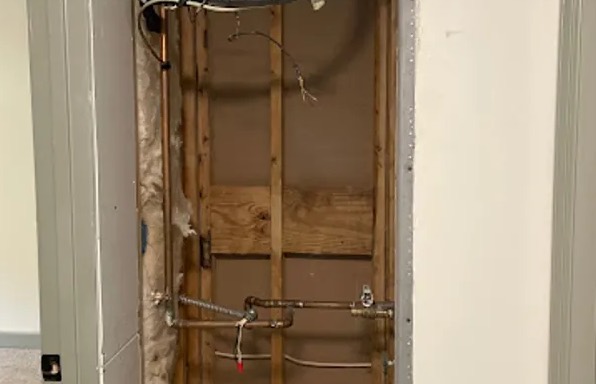
Water Heater Burst Water Removal Services for Concord
A failing water heater in Concord can flood a room with dozens of gallons, leading to urgent water damage. This incident typically requires both water removal and material removal, such as wet drywall removal, to fully address the damage.
In Concord and nearby Zebulon, Molena and Williamson, local water damage pros extract water after a heater bursts, check for hidden moisture, remove wet drywall and dry the area for repairs.
Water Extraction and Cleanup Services in Concord
Water Damaged Floor Removal
Soaked flooring often has to come out to prevent mold. Local water extraction experts cut out wet hardwood or pull up saturated carpet and pad so the subfloor can dry.
Water Heater Flood Water Removal
The sudden release from a failed heater requires removal. This prevents water from migrating under doors, protecting adjacent areas.
Emergency Burst Heater Cleanup
Emergency cleanup is available around the clock for sudden failures. The response stops the water, extracts it, and begins drying to stabilize the situation.
Hot Water Leak Drying Services
Structural drying follows a hot water leak. The experts place dehumidifiers and air movers strategically, monitoring progress with moisture meters.
Water Heater Burst Water Extraction
The experts in Concord assess the spill and use high-capacity tools for complete extraction.
Indicators You Need Emergency Water Removal in Concord
Sudden Loss of Hot Water
Suddenly losing hot water can mean the water heater has failed inside. Check the base of the tank for water.
The Heater Is Over 10 Years Old
Older water heaters are more likely to rupture, especially once the tank starts to rust.
Wet Floors or Baseboards Nearby
Damp flooring or baseboards near the water heater mean water is spreading into the room.
Visible Corrosion on the Tank
Obvious rust or corrosion on the exterior of the tank weakens its structure. This is a major risk factor for a catastrophic water heater flood.
How Water Heater Burst Water Removal Works in Concord
Step 1: Initial Assessment and Water Source Stop
The pros confirm the water source is secured. They assess the full scope of the burst water heater damage to plan the removal strategy.
Step 2: High-Power Water Extraction Service
Industrial extractors pull water from carpets, padding and hard surfaces around the heater.
Step 3: Advanced Drying for Hidden Moisture
Drying equipment is set up to reach moisture behind walls and in other hidden spaces.
Step 4: Sanitization and Final Verification
After drying, surfaces are cleaned and sanitized, and a final moisture check confirms the area is ready for repairs.
Why Water Heaters Fail and Cause Floods in Concord
High Incoming Water Pressure
Excessively high municipal water pressure entering the home strains all plumbing. The water heater tank is particularly vulnerable to this constant, elevated pressure.
Excessive Internal Water Pressure
Faulty pressure relief valves or thermal expansion can cause pressure to spike inside the tank.
Physical Damage to the Tank
Dents, dings, or impacts from moving objects can compromise the tank's structural integrity. Even minor damage can become the starting point for a major leak.
Improper Installation or Sizing
An incorrectly installed or undersized water heater works harder and experiences more stress. This strain accelerates wear and increases the risk of a catastrophic failure.
Water Heater Burst Water Removal for Homes and Businesses in Concord
Residential Water Heater Burst Water Removal
In homes, water from a burst heater can get into subfloors and wall cavities. The pros check those areas with meters and dry them.
Commercial Water Heater Burst Water Removal
Commercial properties have larger water heaters and more complex plumbing, leading to greater water volume. Emergency burst heater cleanup services are scaled to handle large-scale water extraction and rapid drying of expansive areas.
DIY Risks for Water Heater Burst Water Removal in Concord
To improve air circulation, you can set up fans to blow air across wet surfaces, but avoid using them if electrical outlets are wet. Do not use a standard household vacuum to remove water, as this is dangerous and ineffective. For thorough water removal and to prevent mold, it's time to call professionals who specialize in hot water leak drying services.
Understanding Water Damage Restoration Costs in Concord
Additional services such as mold prevention treatments after the hot water leak or specialized drying of enclosed spaces add to the base water removal fee.
Mold Prevention Measures
Applying antimicrobial treatments to prevent mold growth after a water heater leak adds a line item to the total restoration cost.
Emergency Service Timing
A burst heater requiring 24/7 response, outside standard hours, may incur different service rates for the initial water extraction.
Affected Materials
Porous materials like drywall, carpet, or subflooring that absorb hot water require more intensive, and therefore costlier, extraction and drying.
Does Insurance Cover Water Heater Burst Water Removal?
Check with your insurer about coverage for the water removal and drying. The experts provide records of the damage for your claim.
The Value of Professional Water Removal in Concord
Documentation for Insurance
Detailed photos and moisture readings are provided, creating a clear record of the damage for your insurance claim process.
Thorough Structural Drying
The process uses industrial air movers and dehumidifiers to dry affected materials properly, a key step in water damage restoration.
Contained Demolition
When necessary, wet drywall removal or damaged floor removal is performed neatly to minimize disruption and prepare for repairs.
Emergency Water Damage Response in Concord
A sudden hot water leak requires prompt action. To secure the pros for immediate water heater burst water extraction, make the emergency call to (478) 779-1453.
Call Now (478) 779-1453Water Heater Burst Water Removal Near Concord: Areas Served
Water heater burst water removal services address the urgent need to extract hot water and dry out rooms in Concord and nearby areas like Zebulon, Molena and Williamson.
- Water Heater Burst Water Removal in Zebulon
- Water Heater Burst Water Removal in Molena
- Water Heater Burst Water Removal in Williamson
- Water Heater Burst Water Removal in Woodbury
- Water Heater Burst Water Removal in Milner
- Water Heater Burst Water Removal in Orchard Hill
- Water Heater Burst Water Removal in Griffin
- Water Heater Burst Water Removal in Thomaston
- Emergency Damage Restoration in 30206
- Storm Damage Restoration in 30206
- Water Damage Restoration in 30206
- Water Extraction Service in 30206
- Water Leak Detection in 30206
- Water Removal Service in 30206
Water Damage Restoration FAQs
What are the steps for emergency burst heater cleanup?
Steps include stopping the water source, extracting standing water, setting up drying equipment, monitoring moisture levels, and cleaning/disinfecting the area to prepare for repairs.
How are belongings handled during water damage cleanup?
Contents are moved to a dry area, cleaned, and dried if possible. The experts can often perform on-site content cleaning as part of the restoration effort.
What is involved in water heater burst water removal?
Pros extract the standing water, dry the affected materials with industrial equipment, inspect for moisture and remove wet drywall when needed.
What equipment is used for hot water leak drying services?
Industrial-grade equipment is used, including truck-mounted or portable extractors, high-velocity air movers, dehumidifiers, and infrared cameras or moisture meters for inspection.
How long does the water heater burst cleanup process take?
Duration depends on the leak's volume and affected materials. Water extraction may take hours, while thorough structural drying often requires several days of monitored effort.