Greensboro, GA · Greene County
Water Damage Restoration in Greensboro, GAWater Damage Repair & Sewage Cleanup
Water Damage Restoration in Greensboro covers sewage cleanup, storm damage repair and structural drying.
Answered 24/7
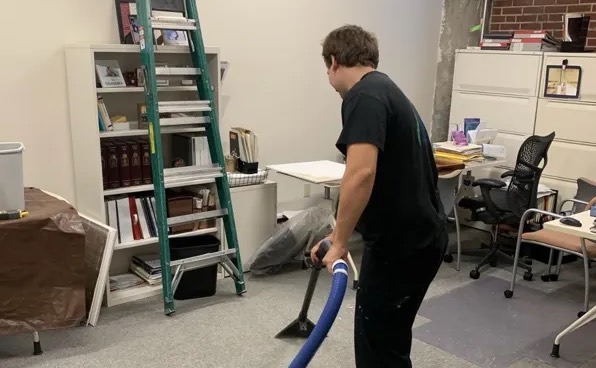
Professional Water Damage Restoration in Greensboro, GA
In Greensboro, water damage can ruin floors, walls and belongings and lead to mold within days. Local restoration pros remove the water and dry the structure.
In Greensboro and nearby Eatonton, local water removal pros extract water and dry the structure to industry standards after leaks and floods, before swelling, odor and mold set in.
Water Damage Restoration Services in Greensboro
Water Damage Repair
Water damage repair fixes or replaces materials permanently affected by moisture. It transforms a dried, damaged space back into a finished room.
Sewage Cleanup
Sewage is Category 3 water. Cleanup includes removing the sewage, disinfecting surfaces and drying the area in Greensboro.
Mold Prevention After Water Damage
Surfaces that stayed wet are cleaned and treated with an antimicrobial after drying in Greensboro homes.
Structural Drying
Structural drying removes moisture from materials like drywall and wood. It uses air movers and dehumidifiers to achieve specific dryness goals, preventing warping and mold.
Water Extraction
Powerful wands pull water out of carpet, pad and subfloor that pumps cannot reach. Getting more water out up front shortens drying time in Greensboro homes.
Indicators of Water Damage in Greensboro Homes
Musty Odors in Rooms
A persistent musty smell often means hidden moisture and mold growing behind walls or under floors.
Cracked or Warping Floorboards
Hardwood floors that warp, cup, or crack are reacting to moisture. The pros can assess and begin drying.
Wet Spots on Carpets
Carpet or pad that stays damp means water has soaked deep into the floor, where it can rot the subfloor.
Water Stains on Ceilings
Yellow or brown ceiling stains indicate an ongoing water leak from above. The pros should inspect to identify the hidden source.
How Water Damage Restoration Works in Greensboro
Step 1: Water Removal Services
Powerful extractors remove the surface water and the water absorbed into carpet and floors.
Step 2: Comprehensive Dehumidification
Commercial dehumidifiers pull moisture from the air and building materials, which dries carpet and walls.
Step 3: Cleaning and Debris Removal
Damaged materials that cannot be saved are safely removed. Salvageable surfaces are cleaned and sanitized as part of the water damage cleanup.
Step 4: Reconstruction and Final Verification
Necessary rebuilding, from drywall to flooring, is completed. A final moisture check verifies the area is dry and restoration is finished.
Leading Causes of Water Damage in Greensboro
Sewer Line Backups or Overflows
Blocked main sewer lines or septic failures can push sewage up into the home through drains.
Foundation Cracks and Seepage
Hydrostatic pressure can push groundwater through foundation cracks into basements. Flooded basement cleanup and exterior waterproofing are typical solutions.
Roof Leaks From Storm Damage
Wind-driven rain, hail or fallen debris can break through roofing and let water into the home.
Fire Suppression System Activation
Fire sprinklers that discharge during a fire or by accident put a lot of water into a building.
Water Damage Restoration for Homes and Businesses in Greensboro
Residential Water Damage Restoration
Attic water damage from roof leaks can ruin insulation and decking, affecting energy bills. The pros perform attic drying and may remove wet insulation.
Commercial Water Damage Restoration
Warehouses and plants need heavy-duty water removal over large areas after drainage failures or sprinkler discharges, to protect machinery and storage.
DIY Limits and Water Damage Restoration Needs in Greensboro
After heavy rain, check attics, basements and crawlspaces for new moisture and clear gutters and downspouts. Dripping, wet insulation or puddles need water extraction soon.
What Influences Water Damage Restoration Cost in Greensboro?
In Greensboro, the materials involved affect the price. Drywall is simpler to dry or replace than hardwood or cabinets, which may need refinishing or replacement.
Emergency Service Timing
Night and weekend extraction can carry a different rate than work during business hours.
Secondary Damage Remediation
Extra work like mold removal or storm repairs adds its own scope and cost.
Affected Materials
Restoration costs vary if water damages drywall, hardwood floors, or custom cabinetry, as each material has different repair or replacement requirements.
Does Insurance Cover Water Damage Restoration?
For storm damage, check whether wind-driven rain or hail is covered. The pros record the damage with photos and notes, giving you a file to submit to your insurer.
Why Choose Local Pros for Water Damage Restoration in Greensboro
Contamination Safety Protocols
For sewage or dirty flood water, the pros wear protective gear and treat surfaces to reduce health risks.
Integrated Service Approach
One set of pros handle the job from the first water removal to the final repairs.
Advanced Moisture Detection
Thermal cameras and moisture meters let the pros find hidden water in walls and subfloors so drying is complete.
Emergency Water Damage Restoration Response for Greensboro
Water intrusion doesn't wait for business hours. Whether it's a burst pipe or storm flooding, you need help now. Call (478) 779-1453 for 24/7 emergency water removal services from the pros serving Greensboro.
Call Now (478) 779-1453Water Damage Restoration Service Area Including Greensboro, GA
Each place listed below has its own page with local details.
- Water Damage Restoration in Eatonton
- Water Damage Restoration in Milledgeville
- Water Damage Restoration in Monticello
- Water Damage Restoration in Haddock
- Water Damage Restoration in Hillsboro
- Water Damage Restoration in Gray
- Water Damage Restoration in Sandersville
- Water Damage Restoration in Gordon
- Water Damage Restoration in 30642
Answers to Top Water Damage Restoration Questions
How is commercial water damage different from residential?
Commercial jobs are larger, involve building systems and need planning around business hours, so drying is done in sections to limit downtime.
What is involved in the water damage restoration process?
The process begins with an assessment and emergency water extraction. Then, structural drying services using industrial equipment remove moisture.
What is the difference between water removal and structural drying?
Water removal takes out standing water. Structural drying then removes moisture absorbed into drywall and wood with air movers and dehumidifiers.
What are common causes of residential water damage?
Common causes include plumbing failures like burst pipes, appliance leaks from water heaters or washing machines, roof leaks, and flooding from severe weather.
How do restoration pros document water damage for insurance?
Photos and video of the damage, moisture and thermal readings and notes describing the scope of work for the claim file.