Dry Branch, GA · Bibb County
Water Damage Restoration in Dry Branch, GAWater Extraction & Sewage Cleanup
Water Damage Restoration in Dry Branch covers sewage cleanup, storm damage repair and structural drying.
Answered 24/7
Local Water Damage Restoration Services for Dry Branch
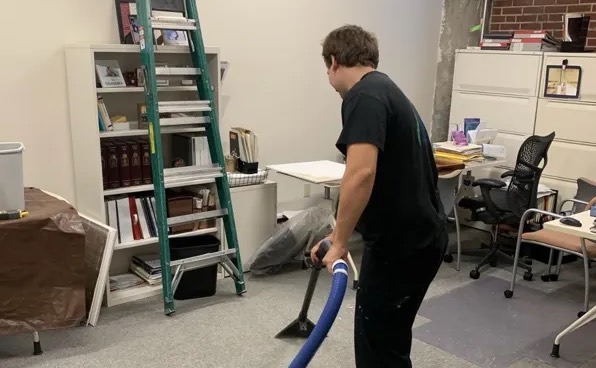
In the Dry Branch area, water from leaks or floods needs fast attention to avoid costly repairs and health hazards. Local water removal pros extract the water and dry the structure in a controlled way.
In Dry Branch and nearby Franklinton, Griswoldville and Huber, the pros respond 24/7 to sewage backups and other water damage, extracting and drying until moisture readings are normal.
Detailed Water Damage Restoration Services for Dry Branch
Water Extraction
Water extraction pulls moisture from saturated materials like carpets and padding. This deep process prevents warping and mold growth.
Sewage Cleanup
Toilet and drain backups bring sewage into the home. The pros in Dry Branch remove the contaminated water and disinfect with strict safety steps.
Storm Damage Repair
After a storm, the pros tarp roof damage, extract water and dry wet walls and floors. The pros in Dry Branch handle the inside of the house.
Mold Prevention After Water Damage
Prompt drying is the main way to keep mold from starting after water damage. Materials that stay wet for a day or two are at risk.
Water Removal
Removing water right away stops it from spreading across floors and wicking up walls. The pros in Dry Branch use pumps and extractors sized to the job.
Warning Signs You Need Water Damage Restoration
Sewage Odor in Basement
A sewer smell points to a backup or broken line. Sewage needs protective gear and careful removal.
Puddles Around Appliances
Standing water near a water heater, washer or fridge means a leak. Call (478) 779-1453 before it spreads further.
Sagging or Bubbling Drywall
Drywall that swells, sags or bubbles has absorbed a lot of water and needs drying or removal.
High Indoor Humidity Levels
A consistently sticky, humid feeling indoors can indicate poor drying. Professionals use tools to measure and correct moisture levels.
How Water Damage Restoration Works in Dry Branch
Step 1: Source Stop and Water Extraction
First, the water source is contained or repaired. Then, experts perform thorough water extraction from all affected surfaces and materials.
Step 2: Air Circulation and Drying
Air movers push air across wet surfaces to speed up evaporation from floors and walls.
Step 3: Antimicrobial Application
After drying, surfaces that stayed wet are treated with an antimicrobial to help keep mold from starting.
Step 4: Repair and Documentation
Any necessary water damage repair is performed to restore the property. Detailed documentation, including photos, is compiled for your insurance provider.
Why Properties in Dry Branch Experience Water Damage
Faulty or Clogged Gutters
Gutters that overflow or detach pour water against the home's siding. This leads to wall and basement water damage over time.
Bathroom Fixture Failures
Failed toilet seals, overflowing tubs and leaking shower pans soak carpet and subfloors over time.
Roof Leaks From Storm Damage
Wind-driven rain, hail or fallen debris can break through roofing and let water into the home.
Natural Flooding From Heavy Rain
Heavy rain can overwhelm drainage and send surface water inside through doors and low spots.
Water Damage Restoration for Homes and Businesses in Dry Branch
Residential Water Damage Restoration
In residences, hidden moisture in walls or under floors can warp materials and attract pests. Residential water damage repair involves precise moisture mapping and targeted drying.
Commercial Water Damage Restoration
Offices and stores have drop ceilings and raised floors that trap water. Pros use industrial equipment for large-scale removal and drying and document it for business interruption claims.
Professional Water Damage Restoration or DIY in Dry Branch?
After turning off power, mop water off hard floors. Put foil or plastic under furniture legs on wet carpet to prevent stains. If flooring buckles or cups, call the pros for drying.
Factors in Water Damage Restoration Pricing for Dry Branch
The total cost for water damage restoration in Dry Branch is shaped by the affected square footage. Extensive flooding across multiple rooms requires more labor and equipment, elevating the final price.
Affected Materials
Restoration costs vary if water damages drywall, hardwood floors, or custom cabinetry, as each material has different repair or replacement requirements.
Content Pack-Out Needs
The cost includes labor for moving, cleaning, and storing furniture and personal belongings to facilitate the flooded basement cleanup and drying process.
Secondary Damage Remediation
Extra work like mold removal or storm repairs adds its own scope and cost.
Does Insurance Cover Water Damage Restoration?
Insurance coverage for water damage restoration depends on a policy's cause-of-loss terms. Sudden events like a burst pipe are often covered. Gradual leaks may not be.
The Case for Local Water Removal Pros in Dry Branch, GA
Thorough Structural Drying
Air movers and dehumidifiers dry the structure and contents until readings are back to normal.
Detailed Damage Documentation
Pros systematically photograph the damage and record moisture readings, creating a clear visual and data record that can be useful for insurance purposes.
IICRC-Standard Methods
The pros follow industry standards for water removal and drying, which helps prevent mold.
Round-the-Clock Water Damage Restoration in Dry Branch
Water intrusion doesn't wait for business hours. Whether it's a burst pipe or storm flooding, you need help now. Call (478) 779-1453 for 24/7 emergency water removal services from the pros serving Dry Branch.
Call Now (478) 779-1453Local Water Damage Restoration Areas Near Dry Branch
Water damage restoration is available in Dry Branch and nearby areas like Franklinton, Griswoldville and Huber, from indoor leaks to storm flooding.
- Water Damage Restoration in Franklinton
- Water Damage Restoration in Griswoldville
- Water Damage Restoration in Huber
- Water Damage Restoration in Macon
- Water Damage Restoration in Rutland
- Water Damage Restoration in Jeffersonville
- Water Damage Restoration in Avondale
- Water Damage Restoration in Sofkee
- Water Damage Restoration in 31020
Water Damage Restoration Information: Your Questions
Why can mold become a problem after water damage?
Mold can grow in damp materials within 24 to 48 hours. If moisture remains after drying, mold removal may be needed.
What is involved in the water damage restoration process?
The process begins with an assessment and emergency water extraction. Then, structural drying services using industrial equipment remove moisture.
How quickly should water extraction begin after a flood?
As soon as it is safe. Standing water speeds up damage, and mold can start within 24 to 48 hours.
What are common causes of residential water damage?
Common causes include plumbing failures like burst pipes, appliance leaks from water heaters or washing machines, roof leaks, and flooding from severe weather.
What does storm damage restoration involve?
It handles water that wind or rain let in, combining water removal, drying and repairs to the roof or siding.