Allentown, GA · Wilkinson County
Water Damage Restoration in Allentown, GAFlood Cleanup & Storm Damage Repair
Water Damage Restoration in Allentown covers sewage cleanup, storm damage repair and structural drying.
Answered 24/7
Water Damage Restoration Solutions in Allentown, Georgia
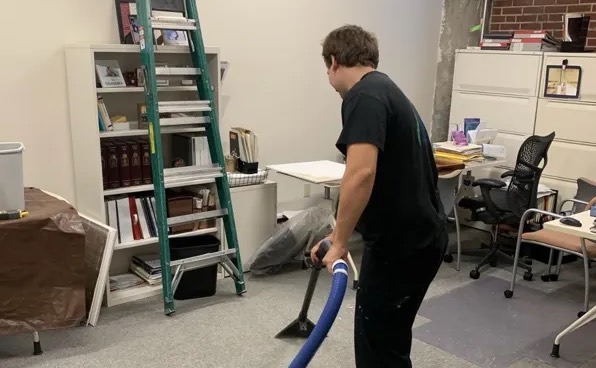
In the Allentown area, storms and plumbing failures bring water inside. Local water removal pros handle extraction, sewage cleanup and drying after storm damage.
Around Allentown, including Danville, Montrose and Jeffersonville, the pros remove water from affected homes and businesses and dry the structure to keep mold from starting.
Water Damage Restoration Services in Allentown
Flood Cleanup
After a flood, the pros extract the water, clear debris and clean affected surfaces in Allentown properties.
Storm Damage Repair
After a storm, roof openings are covered and wet drywall and flooring are dried or replaced.
Water Extraction
Specialized extraction removes water from under flooring and within wall cavities. This addresses hidden moisture that can lead to major repairs. The pros in Allentown are equipped for this technical task.
Structural Drying
Structural drying stabilizes the property to prevent secondary damage. It requires knowledge of drying science and the right equipment. For properties in Allentown, this service is fundamental.
Mold Prevention After Water Damage
Surfaces that stayed wet are cleaned and treated with an antimicrobial after drying in Allentown homes.
Indicators of Water Damage in Allentown Homes
High Indoor Humidity Levels
A consistently sticky, humid feeling indoors can indicate poor drying. Professionals use tools to measure and correct moisture levels.
Wet Spots on Carpets
Carpet or pad that stays damp means water has soaked deep into the floor, where it can rot the subfloor.
Wet or Damp Attic Insulation
Damp insulation in the attic loses effectiveness and can rot wood. Attic drying and removal may be necessary for proper repair.
Puddles Around Appliances
Standing water near a water heater, washer or fridge means a leak. Call (478) 779-1453 before it spreads further.
How Water Damage Restoration Works in Allentown
Step 1: First Call and Inspection
An inspection after your call finds the type of water and how far it spread.
Step 2: Bulk Water and Sewage Cleanup
All bulk water, including hazardous Category 3 water from sewage backups, is removed. Specialized sewage cleanup protocols are used for safety.
Step 3: Detailed Moisture Removal
Moisture trapped in subfloors, drywall and insulation is pulled out with targeted drying.
Step 4: Property Restoration Completion
The final phase involves repairing or replacing damaged structural elements and finishes, with the goal of a dry, usable property.
Typical Water Damage Triggers in Allentown
Sewer Line Backups or Overflows
Blocked main sewer lines or septic failures can push sewage up into the home through drains.
Fire Suppression System Activation
Fire sprinklers that discharge during a fire or by accident put a lot of water into a building.
Foundation Cracks and Seepage
Hydrostatic pressure can push groundwater through foundation cracks into basements. Flooded basement cleanup and exterior waterproofing are typical solutions.
Bathroom Fixture Failures
Failed toilet seals, overflowing tubs and leaking shower pans soak carpet and subfloors over time.
Home and Business Water Damage Restoration in Allentown
Residential Water Damage Restoration
Attic water damage from roof leaks can ruin insulation and decking, affecting energy bills. The pros perform attic drying and may remove wet insulation.
Commercial Water Damage Restoration
Warehouses and plants need heavy-duty water removal over large areas after drainage failures or sprinkler discharges, to protect machinery and storage.
Water Damage Restoration vs. DIY: When to Call Water Removal Pros
A wet/dry vacuum can dry small wet carpet areas if used correctly. Opening windows and running fans helps air circulation. Soaked padding or a musty odor means professional wet carpet drying is necessary to stop mold growth.
What Influences Water Damage Restoration Cost in Allentown?
In Allentown, the materials involved affect the price. Drywall is simpler to dry or replace than hardwood or cabinets, which may need refinishing or replacement.
Emergency Service Timing
Night and weekend extraction can carry a different rate than work during business hours.
Area Accessibility
Difficult-to-access areas like crawl spaces or attics may require specialized equipment, increasing the time and cost for the experts to complete the work.
Secondary Damage Remediation
Extra work like mold removal or storm repairs adds its own scope and cost.
Does Insurance Cover Water Damage Restoration?
Mold cleanup after water damage might be covered if the mold came from a sudden, covered leak. Coverage is often limited, so review your policy.
The Case for Local Pros in Allentown, GA
Comprehensive Water Extraction
Industrial pumps and extractors remove standing water in homes and commercial buildings.
IICRC-Standard Methods
The pros follow industry standards for water removal and drying, which helps prevent mold.
Contamination Safety Protocols
For sewage or dirty flood water, the pros wear protective gear and treat surfaces to reduce health risks.
Emergency Water Damage Restoration Response for Allentown
A flooded basement or sewage backup requires urgent professional attention to protect your property and health. Don't delay. Reach the pros in Allentown for assistance by calling (478) 779-1453.
Call Now (478) 779-1453Water Damage Restoration Near Allentown: Areas Served
Water damage restoration is available in Allentown and nearby areas like Danville, Montrose and Jeffersonville, from indoor leaks to storm flooding.
- Water Damage Restoration in Danville
- Water Damage Restoration in Montrose
- Water Damage Restoration in Jeffersonville
- Water Damage Restoration in Dudley
- Water Damage Restoration in Chester
- Water Damage Restoration in Irwinton
- Water Damage Restoration in Dexter
- Water Damage Restoration in Cochran
- Water Damage Restoration in 31003
Answers to Top Water Damage Restoration Questions
What are common causes of residential water damage?
Common causes include plumbing failures like burst pipes, appliance leaks from water heaters or washing machines, roof leaks, and flooding from severe weather.
How quickly should water extraction begin after a flood?
As soon as it is safe. Standing water speeds up damage, and mold can start within 24 to 48 hours.
Can wet carpet be saved after water damage?
Wet carpet drying may be possible if extraction begins quickly and the water is clean. Contaminated water often requires disposal. The pros assess the carpet, pad, and subfloor to determine if salvage is feasible.
How do professionals handle a sewage backup cleanup?
Sewage cleanup requires strict safety protocols due to contaminants. The process involves removing the hazardous waste, thorough cleaning and disinfecting affected areas, and often removing porous materials that cannot be adequately sanitized.
What is Category 3 water during sewage cleanup?
Category 3 water is grossly contaminated, containing pathogens, as from sewage backups, flooding from rivers, or standing water that has become stagnant.