Rutland, GA · Bibb County
Water Damage Mitigation in Rutland, GAWater Damaged Drywall Repair & Emergency Water Extraction
In Rutland, water damage mitigation includes structural drying services, water damaged drywall repair and floor water damage cleanup.
Answered 24/7
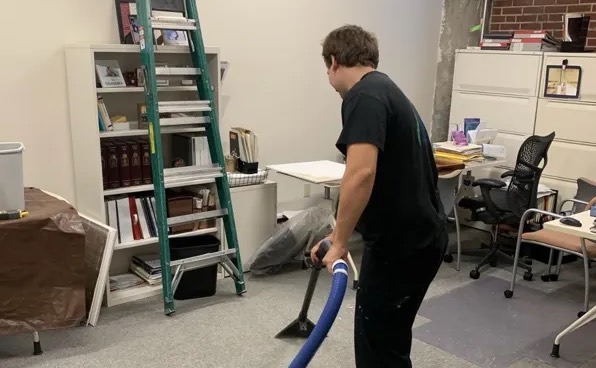
Emergency Water Damage Mitigation for Rutland Homes
Water damage mitigation means more than removing visible water. Moisture hidden in walls, floors and subfloors causes decay and mold, so pros check for it with meters.
In Rutland and nearby Sofkee, Walden and Avondale, local restoration pros respond to leaks in homes and dry the structure fully to prevent mold and rot.
Water Damage Mitigation and Drying Services in Rutland
Water Damaged Drywall Repair
Soggy drywall must be addressed to protect a home's structure. The pros in Rutland carefully remove wet sections.
Emergency Water Extraction
The immediate focus for the pros is removing bulk water. Using submersible pumps, they clear flooded areas to stabilize the environment.
Wet Carpet Drying
Saving water-damaged carpets often depends on a fast, professional drying response. The pros lift carpets, extract water from the padding, and use specialized drying techniques.
Structural Drying Services
Drying the building structure requires specialized equipment and knowledge. The pros establish drying goals based on material types and moisture readings.
Rapid Water Extraction
Local pros start with powerful extraction to remove most of the water from a home in Rutland, which limits how far moisture spreads and speeds up drying.
Signs You Need Water Damage Mitigation
Sagging or Soft Drywall
Drywall that is sagging, soft to the touch, or has bubbles indicates serious water damage.
Damp or Wet Carpeting
Carpet that feels damp or squishes underfoot has water in the pad and needs extraction.
Peeling Paint or Wallpaper
Paint or wallpaper that is blistering or peeling away from the surface is often due to moisture.
Water Dripping From Ceiling
Active dripping, even off and on, means a leak that is wetting the structure every time.
How Water Damage Mitigation Works in Rutland
Step 1: Initial Water Damage Inspection
The process begins with a detailed water damage inspection to assess the source, extent, and category of water.
Step 2: Water Removal Service
Powerful water extraction equipment is deployed to remove bulk water from floors, carpets, and any pooled areas.
Step 3: Targeted Content Drying Services
Furniture, documents, and other contents are carefully dried on-site using specialized techniques like freeze-drying or desiccant chambers to salvage valuable items.
Step 4: Final Mold Prevention Measures
After drying, the pros apply antimicrobial treatment where needed to help prevent mold.
What Causes Water Damage Needing Mitigation
Foundation Cracks and Seepage
Cracks in a home's foundation or basement walls permit groundwater intrusion, especially after heavy rain.
Sprinkler System Malfunctions
Broken sprinkler heads or lines can saturate exterior walls and seep into the structure over time.
Clogged or Overflowing Gutters
Gutters blocked by debris force water to overflow and pool near the foundation, leading to seepage.
Burst or Leaking Pipes
Plumbing failures from corrosion, freezing, or high pressure can release large volumes of water into a home.
Water Damage Mitigation for Homes and Businesses in Rutland
Residential Water Damage Mitigation
At home, pros extract water from living areas, bedrooms and basements, dry carpet and pad and protect belongings, whether the leak came from an appliance, plumbing or the roof.
Commercial Water Damage Mitigation
For businesses, water damage cleanup must minimize downtime and protect inventory, equipment, and critical documents. The pros handle large-scale extraction from offices, retail floors, and storage areas.
Water Damage Mitigation vs. DIY: When to Call Restoration Pros
For a small leak, wipe water off tile or vinyl and blot what you can with towels. Open windows if the weather allows. Soaked drywall, carpet or insulation needs drying by the pros in Rutland.
Water Damage Mitigation Cost in Rutland, GA
Several factors influence water damage mitigation cost in the Rutland area, primarily the size of the flooded area and the required drying time.
Required Drying Time
Longer drying means more equipment time and more monitoring visits, which adds cost.
Mold Prevention Steps
Antimicrobial treatment to prevent mold adds a step and some cost to the job.
Extent of Damage
The square footage and number of rooms affected by water directly influence the mitigation cost.
Does Insurance Cover Water Damage Mitigation?
Homeowners insurance often covers water damage mitigation when it results from a sudden, internal source. The pros focus on water extraction and drying to stabilize the property, providing detailed reports for your insurer. Coverage for mold prevention after water damage varies by policy.
The Value of Local Pros for Water Damage Mitigation
Advanced Moisture Detection
Meters and thermal cameras find hidden water in walls and floors, which guides drying.
Structural Drying Expertise
Air movers and dehumidifiers dry walls and floors so they do not warp or grow mold.
Detailed Damage Documentation
Pros systematically document all damage with photos and moisture readings, creating a clear record for your reference or insurance needs.
Emergency Water Damage Mitigation Available Around the Clock
For structural drying in Rutland, call (478) 779-1453 any time of day. The faster drying starts, the less damage there is.
Call Now (478) 779-1453Local Water Damage Mitigation Coverage for Rutland and Beyond
The places below are also served, and each one has its own page.
Water Damage Mitigation FAQs
What items can content drying services save?
Content drying services can salvage furniture, documents, electronics, and other belongings by using controlled drying chambers and specialized techniques to remove moisture without causing harm.
What is water damage mitigation?
Water damage mitigation is quick action to stop active water flow, remove standing water, and begin drying to prevent further damage and mold growth after a leak or flood.
How is mold prevented after water damage?
Fast extraction, dehumidifiers, full structural drying and sometimes EPA-registered antimicrobial agents on wet surfaces.
How should water extraction begin?
Emergency water extraction should begin as soon as possible, ideally within hours. The longer water sits, the more it absorbs into materials, increasing damage and drying time.
Why is moisture detection important for mitigation?
It uses meters to find water hidden inside walls or under floors, so drying does not stop too early.