Warner Robins, GA · Houston County
Warehouse Water Damage Restoration in Warner Robins, GAWarehouse Equipment Drying & Warehouse Leak Detection Repair
Warehouse Water Damage Restoration in Warner Robins covers warehouse leak detection repair, warehouse equipment drying, and warehouse water damage cleanup to restore operations.
Answered 24/7
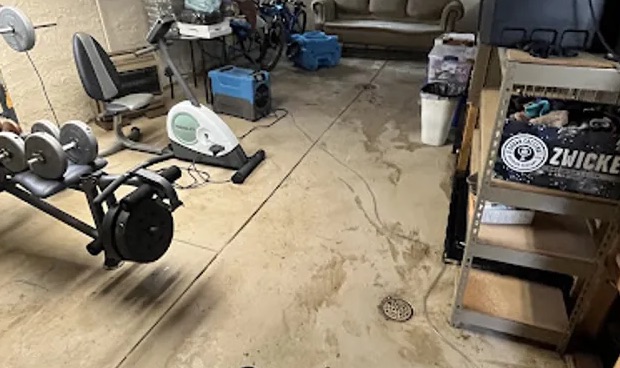
Warehouse Water Damage Restoration Solutions in Warner Robins, Georgia
Water in a warehouse threatens equipment, inventory and building safety. Drying pros start by extracting the flood water and finding the leak.
Warehouses in Warner Robins need large equipment to dry concrete floors and high walls. Local pros remove the water, dry the building and help protect stock. They also serve places like Centerville, Avondale and Bonaire.
Comprehensive Warehouse Water Damage Restoration Solutions
Warehouse Equipment Drying
Water can damage warehouse machinery and electrical systems. Pros dry equipment carefully to prevent corrosion and failures, and the owner or maker confirms it is safe to restart.
Warehouse Leak Detection Repair
Identifying the leak source is the first step in solving warehouse water damage. A thorough inspection of the building envelope and systems is conducted.
Warehouse Structural Drying
Industrial structural drying targets moisture in warehouse walls, supports, and slabs. Commercial dehumidifiers and air movers establish drying conditions across the large space. The pros in Warner Robins follow industry-standard protocols, using meters to verify materials are dry.
Warehouse Water Damage Cleanup
After drying, local pros wash floors, wipe down structural elements and control odors so the warehouse is ready to operate, with records for your claim.
Warehouse Mold Remediation
Warehouse mold remediation involves removing colonization sources and cleaning the space. Contaminated items like wet cardboard or insulation are discarded, and antimicrobial treatments are applied.
When to Call for Warehouse Water Damage Restoration in Warner Robins
Water on Warehouse Floor
Standing water in aisles or around stored goods needs to be removed before it soaks into pallets and stock.
Musty Odors in the Space
A persistent earthy smell often means hidden moisture and potential mold in a warehouse.
Water Stains on Walls
Discolored streaks or rings on interior walls reveal past or active leaks in the warehouse.
Wet Electrical Components
Any moisture near panels, conduits, or outlets is an immediate safety hazard for warehouse operations.
How Warehouse Water Damage Restoration Works in Warner Robins
Step 1: Leak Detection and Source Stop
The process begins with locating the water source for immediate warehouse leak repair, whether from roofing, plumbing, or a system failure.
Step 2: Industrial-Grade Water Extraction
Heavy-duty extractors perform commercial water extraction, removing water from floor surfaces, drains, and any subsurface layers to halt further damage.
Step 3: Dehumidification and Drying
Industrial dehumidifiers lower the humidity, while air movers circulate air to dry structural components, a core part of warehouse structural drying.
Step 4: Post-Restoration Assessment
A final check confirms the space is dry and ready to use again.
Common Causes of Warehouse Water Damage
Human Error and Accidents
A left-on hose, an overturned tank, or a forklift damaging a pipe can initiate flooding.
Roof Leaks and Penetrations
Damaged roofing, failed seals around vents or skylights, and storm damage allow water into warehouse spaces.
HVAC Condensate Line Failure
Clogged or disconnected drain lines from large commercial units can flood warehouse floors quickly.
Plumbing Supply Line Breaks
A burst pipe in restrooms, break rooms, or process water lines leads to significant water loss.
Warehouse Water Damage Restoration for Warner Robins Businesses
Residential Water Damage Restoration
Homeowners with pole barns or large outbuildings used for hobbies or business storage benefit from warehouse water removal methods when a leak soaks flooring and stored belongings, preventing mold growth.
Warehouse Water Damage Restoration
An active warehouse leak repair must address not just the water source but also the potential for corrosion on steel supports and damage to sensitive electronics controlling automation.
Warehouse Water Damage Restoration vs. DIY: When to Call Local Pros
Wiping down exposed metal surfaces on equipment can slow surface rust after a leak. For thorough warehouse equipment drying and corrosion prevention, controlled techniques are used to dry internal components.
Factors Influencing Warehouse Water Damage Restoration Cost
Estimating warehouse water damage repair expenses involves assessing damage to racking systems, machinery, and electrical panels. This assessment happens alongside the core restoration work on the building envelope.
Structural Material Type
Concrete floors and steel framing dry differently than areas with drywall or insulation, affecting the methods and time required.
Emergency Service Timing
A 24/7 response outside standard hours may involve different service rates compared to a scheduled appointment during business hours.
Inventory and Equipment Damage
Costs go up when stored goods or machinery got wet and need drying, cleaning or corrosion control.
Does Insurance Cover Warehouse Water Damage Restoration?
Coverage for warehouse water damage depends on the policy's terms and the cause of the water loss. The pros record damage with photos and moisture readings, and your insurer makes all coverage decisions.
Why Choose Local Pros for Warehouse Water Damage Restoration
24/7 Emergency Response
Quick action is critical for warehouse water damage; the pros are available around the clock to begin mitigating the loss.
Structural Drying Expertise
Proper warehouse structural drying protects the building's integrity by removing moisture from concrete slabs, steel frames, and wall cavities effectively.
Mold Prevention Focus
Rapid water removal and thorough drying are the primary methods the pros use to help prevent mold growth after a flood.
Warehouse Water Damage Restoration Help Available 24/7
Moisture in a warehouse can damage the structure, ruin stock and grow mold. Call (478) 779-1453 24/7 for the pros to start drying.
Call Now (478) 779-1453Warehouse Water Damage Restoration for Warner Robins and Nearby Communities
In Warner Robins, along with nearby areas like Centerville, Avondale and Bonaire, the pros handle warehouse water removal, inventory damage mitigation, and emergency leak detection repair.
- Warehouse Water Damage Restoration in Centerville
- Warehouse Water Damage Restoration in Avondale
- Warehouse Water Damage Restoration in Bonaire
- Warehouse Water Damage Restoration in Huber
- Warehouse Water Damage Restoration in Walden
- Warehouse Water Damage Restoration in Sofkee
- Warehouse Water Damage Restoration in Kathleen
- Warehouse Water Damage Restoration in Byron
- Emergency Damage Restoration in 31088
- Storm Damage Restoration in 31088
- Water Damage Restoration in 31088
- Water Extraction Service in 31088
- Water Leak Detection in 31088
- Water Removal Service in 31088
- Emergency Damage Restoration in 31093
- Storm Damage Restoration in 31093
Common Warehouse Water Damage Restoration Queries
Is warehouse equipment drying different from structural drying?
Yes, it often requires specific techniques like controlled low-heat drying, corrosion inhibitors, and electrical testing to protect machinery after water exposure.
Can business operations continue during warehouse drying services?
Safety often requires limiting access to affected zones, but the pros work to minimize disruption and may help set up temporary work areas.
Who decides what warehouse inventory is salvageable after flooding?
The warehouse owner or manager, often in consultation with their insurer and the pros assessing the damage, makes those final decisions.
What is the goal of warehouse moisture removal?
To return building materials to normal dry readings, measured with moisture meters, so they do not decay or grow mold.
Why is quick action crucial for warehouse water removal?
The longer water sits, the deeper it penetrates concrete, drywall, and stored goods. This increases damage to inventory, equipment, and the building's structural components over time.