Montrose, GA · Laurens County
Warehouse Water Damage Restoration in Montrose, GAWarehouse Mold Remediation & Warehouse Flood Water Extraction
Warehouse Water Damage Restoration in Montrose involves warehouse water damage cleanup, warehouse structural drying, and warehouse equipment drying to minimize downtime.
Answered 24/7
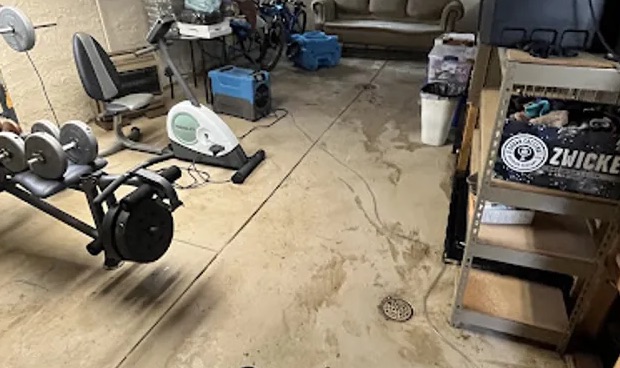
Local Warehouse Water Extraction Pros Serving Montrose
Water in a warehouse can stop operations, ruin inventory and lead to mold. Local pros extract the flood water and dry the structure to industry standards.
Warehouse water damage restoration is a critical service for industrial and storage facilities in Montrose, where water intrusion can halt operations and damage valuable stock. Local warehouse water damage pros provide warehouse flood water extraction and structural drying to restore functionality, serving businesses here and in nearby areas like Allentown, Dudley and Danville.
Warehouse Water Damage Restoration Services in Montrose
Warehouse Mold Remediation
If mold develops in a wet warehouse, remediation protocols are followed. The area is contained, and affected porous materials are removed.
Warehouse Flood Water Extraction
Immediate warehouse flood water extraction removes standing water using high-capacity pumps. Early action helps prevent secondary damage to inventory and the building structure. The pros in Montrose prioritize this first step.
Warehouse Equipment Drying
Water can damage warehouse machinery and electrical systems. Pros dry equipment carefully to prevent corrosion and failures, and the owner or maker confirms it is safe to restart.
Warehouse Floor Water Removal
Pros use specialized equipment to pull trapped moisture from concrete and sealed floors before mold or slab damage sets in.
Warehouse Leak Detection Repair
Pros check common entry points like roof seams and penetrations, then make a temporary repair to stop the water.
When to Call for Warehouse Water Damage Restoration in Montrose
Warped or Buckling Floors
A curling slab or failing epoxy coating points to moisture under the floor.
Soggy Insulation Overhead
Wet, sagging insulation in ceiling bays loses R-value and can lead to collapse.
Water on Warehouse Floor
Standing water in aisles or around stored goods needs to be removed before it soaks into pallets and stock.
Visible Mold Growth
Dark spots on walls, ceilings or goods point to a moisture problem and possible mold.
How Warehouse Water Damage Restoration Works in Montrose
Step 1: Emergency Water Extraction
The pros use industrial pumps and extractors to remove all standing flood water from the facility, starting the warehouse water removal process.
Step 2: Strategic Structural Drying
High-capacity air movers and commercial dehumidifiers are positioned to dry the warehouse structure, including walls, ceilings, and the concrete slab, preventing warping.
Step 3: Inventory and Content Processing
Affected goods and materials are evaluated for warehouse inventory water damage; salvageable items are moved to a dry zone for specialized drying or cleaning.
Step 4: Final Verification and Documentation
Using moisture meters, pros verify the space is dry to industry standards. They document the process with readings and photos for your insurance review.
Frequent Causes of Leaks Needing Warehouse Water Damage Restoration
Stormwater and Flood Intrusion
Heavy rain can overwhelm drains or seep under doors, leading to warehouse flood damage.
Foundation or Slab Leaks
Cracks in the slab or foundation walls let groundwater seep into the warehouse.
Sprinkler System Malfunction
Accidental discharge, a faulty head, or a broken pipe in fire suppression systems causes major flooding.
Process Equipment Leaks
Cooling lines, hydraulic systems, or wash-down stations can develop leaks, creating localized water damage.
Warehouse and Commercial Warehouse Water Damage Restoration
Residential Water Damage Restoration
A flooded home workshop with power tools and materials requires the thorough moisture removal approach of the experts to dry the space and prevent warping or rust damage to equipment.
Warehouse Water Damage Restoration
Property managers need concrete slabs dried to avoid flooring and moisture problems later. Moisture maps and readings also support the insurance claim.
Why DIY Warehouse Water Damage Repair Fails
Documenting the damage with photos and notes for your insurance claim is a responsible step you can take. The scope, cause, and extent of industrial water damage restoration, however, must be assessed and executed by qualified specialists.
What Affects Warehouse Water Damage Restoration Pricing
Warehouse water damage restoration cost in Montrose is affected by the scale of flooding, the type of materials saturated, and the urgency of the response required.
Inventory and Equipment Damage
Costs go up when stored goods or machinery got wet and need drying, cleaning or corrosion control.
Water Volume and Source
Clean water from a broken pipe costs less to extract than contaminated flood water requiring advanced sanitation procedures in the warehouse.
Warehouse Square Footage
Larger wet areas take more equipment and labor hours to extract and dry.
Does Insurance Cover Warehouse Water Damage Restoration?
The pros provide detailed reports and invoices that document the scope of work and moisture readings. The property owner can submit these to their insurer, but final coverage decisions rest with the insurance company.
Advantages of Hiring Local Pros for Warehouse Water Damage Restoration
Moisture Documentation
Detailed logs of moisture readings before, during, and after restoration provide a clear record for your reference and any insurance requirements.
Industrial-Grade Equipment
Warehouse flood cleanup requires truck-mounted extractors, industrial dehumidifiers, and high-volume air movers designed for large-scale commercial spaces.
Leak Detection Repair
After extraction, warehouse leak repair experts can help identify and address the source of the water intrusion to prevent a recurrence.
Emergency Warehouse Water Damage Restoration Response for Montrose
Stop warehouse water damage from spreading to other areas of the facility by calling for professional help. Reach the specialists at (478) 779-1453 for a 24/7 emergency response to begin water removal and drying.
Call Now (478) 779-1453Areas Served for Warehouse Water Damage Restoration Near Montrose
Warehouse water damage restoration is available in Montrose, and communities including Allentown, Dudley and Danville, for roof leaks, floods and structural drying.
- Warehouse Water Damage Restoration in Allentown
- Warehouse Water Damage Restoration in Dudley
- Warehouse Water Damage Restoration in Danville
- Warehouse Water Damage Restoration in Dexter
- Warehouse Water Damage Restoration in Chester
- Warehouse Water Damage Restoration in Dublin
- Warehouse Water Damage Restoration in Cochran
- Warehouse Water Damage Restoration in Rentz
- Emergency Damage Restoration in 31065
- Storm Damage Restoration in 31065
- Water Damage Restoration in 31065
- Water Extraction Service in 31065
- Water Leak Detection in 31065
- Water Removal Service in 31065
Common Warehouse Water Damage Restoration Queries
What records are kept for warehouse water damage repair?
Local pros document the process with photos, moisture reading logs, equipment logs, and detailed notes for your records and any insurance claim.
What causes warehouse leaks needing detection and repair?
Common sources include roof failures, compromised siding or cladding, sealant failures around doors and loading docks, or plumbing issues within the warehouse's utility infrastructure.
Why is warehouse floor water removal challenging?
Water soaks into concrete, so slabs take longer to dry and need dehumidifiers and readings to confirm.
Is warehouse equipment drying different from structural drying?
Yes, it often requires specific techniques like controlled low-heat drying, corrosion inhibitors, and electrical testing to protect machinery after water exposure.
How long does industrial water damage restoration typically take?
Duration varies widely by scale; a significant warehouse flood may require several days of active drying followed by repair and cleanup phases.