Junction City, GA · Talbot County
Trim & Baseboard Replacement after Water Damage in Junction City, GABaseboard Mold Inspection & Wet Baseboard Replacement
Key steps in Trim & Baseboard Replacement after Water Damage for properties in Junction City include baseboard mold inspection, wet baseboard replacement, and trim salvage.
Answered 24/7
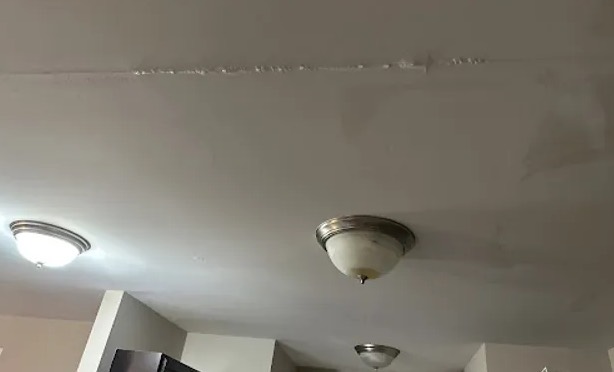
Trusted Trim & Baseboard Replacement after Water Damage Near Junction City
In Junction City, trim and baseboard damage usually comes from appliance leaks or plumbing failures. The woodwork around your rooms can warp or rot quickly once it is wet.
In Junction City, water can warp wood trim and baseboards. Local baseboard replacement experts check for mold behind the baseboard, extract water from the floor and then replace the trim.
Typical Trim & Baseboard Replacement after Water Damage Work in Junction City
Baseboard Mold Inspection
The pros check behind and under baseboards, where moisture often lingers after a leak.
Wet Baseboard Replacement
Baseboards that are warped, stained or still wet are removed and replaced with new ones.
New Trim Paint Matching
Paint is sourced or mixed to match existing trim. This work blends new baseboards with the room's current color and sheen in the Junction City area.
Trim Moisture Barrier Installation
Pros can add a moisture barrier behind new baseboards in Junction City homes to protect the wood and wall from future minor moisture.
Trim Salvage
Not all wet trim has to be replaced. Pros in Junction City can often dry it with specialized equipment and keep the original moldings.
Symptoms Requiring Trim & Baseboard Replacement after Water Damage in Junction City
Trim Warping or Cupping
Wood trim that is visibly bent, bowed, or no longer lies flat has absorbed significant moisture and likely needs replacement.
Baseboard Discoloration or Staining
Water marks, dark streaks, or yellowing on your baseboards are clear visual signs of moisture damage from leaks.
Wet or Softened Trim
Wood trim that feels spongy or damp to the touch indicates prolonged water exposure and potential structural compromise.
Musty Odors Near Walls
A persistent earthy smell along your baseboards often signals hidden mold growth behind the trim after a water leak.
How Trim & Baseboard Replacement after Water Damage Works in Junction City
Step 1: Emergency Water Removal Service
Pros extract pooled water from the floor first to limit swelling in the baseboards and flooring.
Step 2: Trim Assessment and Salvage Attempt
Each piece of trim is evaluated for warping, mold, and structural integrity.
Step 3: Baseboard Removal and Wall Preparation
Trim that cannot be saved is removed, which exposes the wall so the drywall can be dried and repaired.
Step 4: Installation of Replacement Trim
New trim is measured, cut and installed, then caulked and painted to match the room.
What Leads to Trim & Baseboard Replacement after Water Damage
Roof Leaks Dripping Down Walls
Water intrusion from a compromised roof can travel down interior wall cavities, accumulating and damaging trim at the bottom.
Storm-Driven Rain Penetration
Wind-driven rain during storms can force water through siding or brick mortar joints, leading to interior water damage and wet baseboards.
Gutter Overflow Near Foundation
Clogged or overflowing gutters can dump water right against a home's exterior, allowing it to penetrate and damage interior trim.
Foundation Cracks and Seepage
Hairline cracks in a foundation or slab can permit groundwater seepage, wicking moisture up into baseboards and causing rot.
Both Residential & Commercial Trim & Baseboard Replacement after Water Damage in Junction City
Residential Trim & Baseboard Replacement after Water Damage
At home, wet trim usually means other damage too. Pros extract water from the floor and repair the wall, fixing the cause as well as the trim.
Commercial Trim & Baseboard Replacement after Water Damage
Commercial interior water damage restoration requires specialized knowledge. Mold prevention pros assess hidden risks like mold behind baseboard in restrooms or break rooms.
Trim & Baseboard Replacement after Water Damage: Professional Help vs. Do-It-Yourself in Junction City
You can visually inspect baseboards for obvious swelling, discoloration, or peeling paint. Document the damage by taking clear photos from multiple angles for your insurance records. Run a dehumidifier in the affected room to help lower general humidity. For wet baseboard replacement or mold inspection, contact the experts as DIY removal can spread mold spores.
Pricing for Trim & Baseboard Replacement after Water Damage Work in Junction City
For properties in Junction City, the cost to prevent mold after a water leak behind baseboards includes specialized drying equipment and the time required for thorough moisture extraction.
Paint Matching Complexity
Matching existing paint for new trim paint matching can involve custom color blending, affecting the final stages of the restoration.
Mold Inspection Needs
If mold is suspected behind the baseboard, inspection and containment add steps to the job.
Wall Repair Scope
The extent of drywall repair after water damage behind the removed trim influences both material needs and overall project timeline.
Does Insurance Cover Trim & Baseboard Replacement after Water Damage?
For mold behind baseboard resulting from a covered water event, insurance might cover the inspection and remediation. Prevention work usually is not covered. Check your policy details. Experts in baseboard removal and installation can provide the technical moisture data your adjuster needs.
Why Choose Local Experts for Trim & Baseboard Replacement after Water Damage in Junction City
Focused Material Expertise
Knowledge of various trim materials and installation techniques is applied for proper baseboard removal and installation after water damage.
24/7 Emergency Response
Quick action on water incidents limits the extent of damage, making wet baseboard replacement more manageable and contained.
Complete Moisture Removal
Floors and walls near the trim are dried with professional equipment before new trim goes on.
Always-Available Emergency Trim & Baseboard Replacement after Water Damage for Junction City
Discovering moisture behind baseboard is an urgent situation requiring immediate mold inspection and mitigation. For 24/7 emergency response throughout Talbot County, dial (478) 779-1453 for the pros who handle water damage.
Call Now (478) 779-1453Trim & Baseboard Replacement after Water Damage Throughout the Junction City Region
Other places served are listed below, each with its own page.
- Trim & Baseboard Replacement after Water Damage in Geneva
- Trim & Baseboard Replacement after Water Damage in Talbotton
- Trim & Baseboard Replacement after Water Damage in Butler
- Trim & Baseboard Replacement after Water Damage in Manchester
- Trim & Baseboard Replacement after Water Damage in Thomaston
- Trim & Baseboard Replacement after Water Damage in Reynolds
- Trim & Baseboard Replacement after Water Damage in Ideal
- Trim & Baseboard Replacement after Water Damage in Roberta
- Emergency Damage Restoration in 31812
- Storm Damage Restoration in 31812
- Water Damage Restoration in 31812
- Water Extraction Service in 31812
- Water Leak Detection in 31812
- Water Removal Service in 31812
Frequently Asked Questions About Trim & Baseboard Replacement after Water Damage
Can water damaged trim always be salvaged?
Not always. Pros try to dry and save trim first, but warped, split or moldy trim usually has to be replaced.
Is drywall always removed during wet baseboard replacement?
Not always, but it is common. If wet or moldy, the drywall behind is removed to allow for proper drying and to ensure a clean substrate.
Can I paint the new trim myself?
You can, but having the experts match the paint keeps the new trim consistent with the old as part of the job.
How long does baseboard removal and installation take?
The timeline depends on the home's size, extent of moisture damage to trim, and whether wall drying or repair is needed.
What is a trim moisture barrier?
A thin protective layer installed behind the new baseboard. It blocks minor moisture from wicking into the wood, which helps keep mold away.